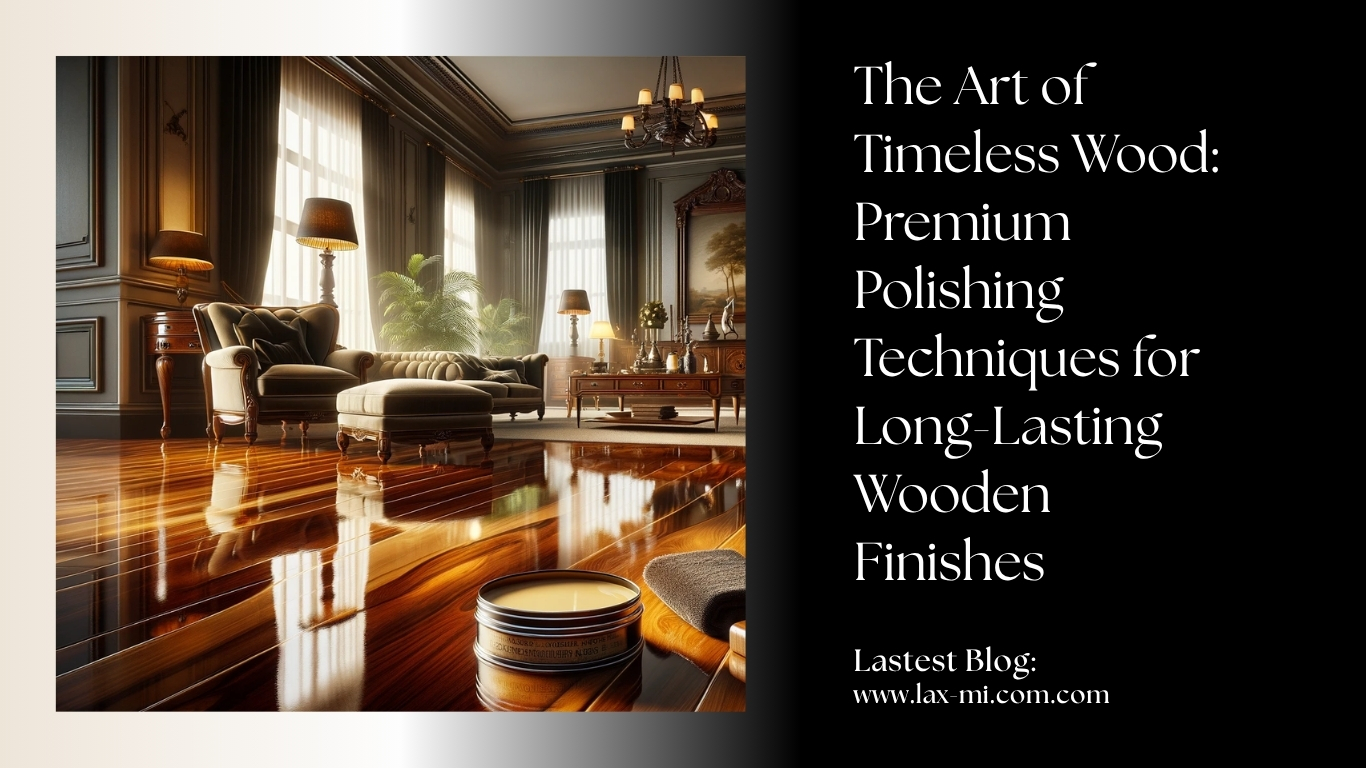
The Art of Timeless Wood: Premium Polishing Techniques for Long-Lasting Wooden Finishes
Wood has always carried a quiet elegance that no synthetic material can truly replicate. Whether it appears in luxury interiors, handcrafted furniture, or architectural detailing, polished wood creates warmth, depth, and character. However, the true beauty of wood does not come from the material alone. Instead, it emerges through the skillful application of polishing techniques that enhance durability while preserving its natural charm.
Premium polishing techniques for long-lasting wooden finishes go beyond surface-level aesthetics. They protect against wear, moisture, and environmental damage while maintaining a refined appearance over time. Moreover, when applied correctly, these techniques ensure that wooden surfaces age gracefully rather than deteriorate quickly.
In this comprehensive guide, you will explore advanced polishing methods, preparation strategies, and maintenance practices. Each section will help you understand how to achieve flawless finishes that stand the test of time. As you move forward, you will also discover how careful attention to detail can transform ordinary wood into a statement of craftsmanship and sophistication.
Understanding the Nature of Wood Before Polishing
Before applying any polishing technique, understanding the nature of wood becomes essential. Every type of wood reacts differently to finishes. For instance, hardwoods such as teak, oak, and walnut have dense grains, while softwoods like pine and cedar absorb finishes more quickly. Therefore, recognizing these characteristics helps in selecting the right polishing approach.
Additionally, moisture content plays a significant role in the outcome. If wood retains excess moisture, the polish may not adhere properly. As a result, the finish could peel or develop uneven patches. On the other hand, overly dry wood may absorb too much polish, leading to a dull or blotchy appearance. Maintaining balanced moisture levels ensures optimal results.
Grain pattern also influences the polishing process. Open-grain woods often require fillers to achieve a smooth surface, whereas closed-grain woods need minimal preparation. Consequently, identifying grain structure allows for better control over the final finish.
Furthermore, the intended use of the wooden surface matters greatly. Furniture pieces, flooring, and decorative panels all demand different levels of protection. For example, high-traffic areas require more durable coatings compared to decorative elements. By understanding these factors, you can lay a strong foundation for applying premium polishing techniques effectively.
Surface Preparation: The Foundation of a Perfect Finish
A flawless wooden finish begins with meticulous surface preparation. Even the most advanced polishing products cannot compensate for poor groundwork. Therefore, investing time in preparation ensures long-lasting and visually appealing results.
The process starts with sanding. Begin with coarse-grit sandpaper to remove imperfections, scratches, and old finishes. Gradually move to finer grits to achieve a smooth surface. This step not only enhances appearance but also allows the polish to penetrate evenly.
After sanding, cleaning becomes crucial. Dust particles can interfere with the finish, leading to uneven textures. Use a vacuum or a tack cloth to remove all debris. Additionally, ensure that the workspace remains clean throughout the process.
Next, inspect the surface for cracks or dents. Fill these imperfections using suitable wood fillers. Once the filler dries, sand the area again to maintain consistency. This step ensures a seamless finish without visible flaws.
Finally, apply a wood conditioner if necessary. This product helps regulate absorption, especially in softwoods. As a result, the polish spreads evenly, preventing blotchy finishes. Proper preparation may seem time-consuming, yet it significantly enhances the durability and elegance of the final result.
Choosing the Right Polishing Technique
Selecting the appropriate polishing technique determines both the appearance and longevity of wooden surfaces. Each method offers unique benefits, and choosing wisely ensures optimal performance.
French polishing remains one of the most refined techniques. It involves applying multiple thin layers of shellac using a rubbing pad. This method creates a high-gloss finish with exceptional depth. However, it requires skill and patience, making it ideal for luxury furniture.
On the other hand, oil polishing emphasizes natural beauty. Oils penetrate the wood, enhancing grain patterns while providing moderate protection. This technique suits rustic and contemporary interiors where a natural look is preferred.
Lacquer polishing offers durability and a smooth finish. It dries quickly and forms a protective layer, making it suitable for modern furniture and cabinetry. Additionally, lacquer provides resistance to moisture and scratches.
Polyurethane finishes deliver maximum durability. They create a hard, protective coating that withstands heavy use. Although they may slightly alter the natural appearance, they ensure long-lasting performance.
By understanding these techniques, you can choose a method that aligns with both aesthetic preferences and functional requirements.
Advanced Sanding Techniques for Superior Results
Sanding plays a critical role in achieving premium wooden finishes. However, advanced sanding techniques elevate the quality to a professional level.
Start by sanding along the grain rather than against it. This approach prevents visible scratches and maintains a natural look. Moreover, using consistent pressure ensures even results across the surface.
Progressive sanding remains essential. Move gradually from coarse to fine grits, allowing each stage to refine the surface further. Skipping steps may lead to uneven finishes, which can become noticeable after polishing.
Wet sanding offers an advanced option for achieving ultra-smooth surfaces. This technique involves using water or a lubricant during sanding, reducing friction and enhancing smoothness. As a result, the final finish appears more refined.
Additionally, using sanding blocks or machines can improve precision. Hand sanding works well for intricate details, while power tools handle larger surfaces efficiently. Combining both methods ensures comprehensive coverage.
By mastering these techniques, you create an ideal base for premium polishing, ensuring both beauty and durability.
The Role of Wood Fillers and Sealers
Wood fillers and sealers contribute significantly to long-lasting finishes. They prepare the surface for polishing while enhancing overall appearance.
Fillers address imperfections such as cracks, holes, and uneven grain. They create a smooth surface, allowing the polish to spread evenly. Without fillers, these imperfections may become more visible after finishing.
Sealers, on the other hand, act as a protective barrier. They prevent excessive absorption of polish, ensuring consistent results. Additionally, sealers enhance adhesion, improving the durability of the finish.
Applying these products requires precision. Use thin, even layers and allow sufficient drying time. Sand lightly between applications to maintain smoothness. This process ensures a professional-quality finish that lasts longer.
Together, fillers and sealers form a crucial step in premium polishing techniques, bridging the gap between preparation and finishing.
Layering Techniques for Depth and Durability
Layering remains a hallmark of premium wooden finishes. Instead of applying a single thick coat, multiple thin layers create depth and strength.
Each layer enhances the richness of the wood while building protection. Thin coats dry more evenly, reducing the risk of bubbles and streaks. Moreover, they allow better control over the final appearance.
Between layers, light sanding ensures smoothness and improves adhesion. This step removes minor imperfections and prepares the surface for the next coat. As a result, the finish becomes more refined with each layer.
Additionally, layering allows customization. You can adjust the level of gloss or matte effect by choosing appropriate products and techniques. This flexibility ensures that the final result meets specific design preferences.
By adopting layering techniques, you achieve finishes that are both visually stunning and highly durable.
Polishing Tools and Their Impact
The tools used in polishing significantly influence the outcome. High-quality tools ensure precision, consistency, and efficiency.
Soft cloths and pads work well for applying polish evenly. They prevent scratches and allow better control during application. Additionally, they suit delicate finishes such as French polishing.
Brushes provide versatility. They handle various types of finishes, including lacquer and polyurethane. Choosing the right brush ensures smooth application without visible strokes.
Spray equipment offers a professional touch. It delivers even coatings and reduces application time. However, it requires proper technique and safety measures.
Buffing machines enhance the final finish. They create a smooth, glossy surface while improving durability. This step adds a professional touch to the overall appearance.
Selecting the right tools not only simplifies the process but also elevates the quality of the finish.
Environmental Factors and Their Influence
Environmental conditions play a crucial role in wood polishing. Ignoring these factors can compromise the quality of the finish.
Temperature affects drying time. Extremely high temperatures may cause rapid drying, leading to uneven surfaces. Conversely, low temperatures can slow down the process, increasing the risk of dust settling on the surface.
Humidity also impacts results. High humidity may prevent proper curing, while low humidity can cause cracking. Maintaining balanced conditions ensures optimal performance.
Ventilation remains essential for safety and quality. Proper airflow helps in even drying and prevents the buildup of harmful fumes.
Lighting conditions influence application accuracy. Adequate lighting allows you to identify imperfections and ensure even coverage.
By controlling environmental factors, you create a stable setting for achieving premium polishing results.
Enhancing Aesthetics with Stains and Tints
Stains and tints add character to wooden surfaces. They enhance natural grain patterns while allowing customization of color.
Applying stains before polishing ensures deeper penetration. This step highlights the wood’s texture and creates a richer appearance. Additionally, it allows you to match specific design themes.
Choosing the right stain requires careful consideration. Different wood types react differently to colors. Testing on a small area helps in achieving desired results.
Layering stains can create unique effects. Combining shades adds depth and complexity to the finish. However, maintaining balance ensures that the natural beauty of wood remains visible.
By incorporating stains and tints, you can transform wooden surfaces into visually striking elements.
Protective Coatings for Long-Term Durability
Protective coatings extend the lifespan of wooden finishes. They shield surfaces from damage while maintaining aesthetic appeal.
Varnishes provide a strong protective layer. They resist moisture, heat, and scratches, making them suitable for furniture and flooring.
Wax finishes offer a softer, natural look. Although they provide moderate protection, they enhance the tactile experience of wood. Regular maintenance ensures longevity.
Polyurethane coatings deliver maximum durability. They form a hard barrier that withstands heavy use. This option suits high-traffic areas and commercial spaces.
Combining protective coatings with polishing techniques ensures comprehensive protection. This approach maintains both beauty and functionality over time.
Maintenance Practices for Lasting Shine
Maintaining polished wood requires consistent care. Proper practices preserve the finish and extend its lifespan.
Regular cleaning prevents dust buildup. Use soft cloths to avoid scratches. Additionally, avoid harsh chemicals that may damage the finish.
Periodic re-polishing restores shine. Applying a fresh layer of polish enhances appearance and reinforces protection.
Protecting surfaces from direct sunlight prevents fading. Similarly, controlling humidity reduces the risk of warping.
Using coasters and protective pads minimizes damage from heat and moisture. These simple measures significantly improve durability.
By adopting these practices, you ensure that wooden finishes remain elegant and long-lasting.
Common Mistakes to Avoid in Wood Polishing
Even experienced professionals can make mistakes during wood polishing. Recognizing these pitfalls helps in achieving better results.
Applying thick coats remains a common error. It leads to uneven drying and visible imperfections. Instead, use thin layers for consistent results.
Skipping sanding steps compromises the finish. Proper sanding ensures smoothness and enhances adhesion.
Ignoring drying times can cause defects. Allow sufficient time between coats to achieve optimal results.
Using incorrect products may damage the wood. Selecting suitable finishes based on wood type ensures compatibility.
Avoiding these mistakes improves both the quality and durability of wooden finishes.
Sustainable and Eco-Friendly Polishing Options
Sustainability has become an important consideration in modern woodworking. Eco-friendly polishing options offer both environmental and aesthetic benefits.
Natural oils and waxes provide safe alternatives to synthetic products. They enhance wood without releasing harmful chemicals.
Water-based finishes reduce environmental impact. They emit fewer volatile compounds while delivering reliable performance.
Recycling and reusing materials also contribute to sustainability. Refinishing existing furniture reduces waste and promotes responsible practices.
By choosing eco-friendly options, you achieve premium finishes while supporting environmental conservation.
Achieving Professional Results at Home
Achieving professional-quality finishes at home requires patience and attention to detail. With the right techniques, you can create stunning results without professional assistance.
Start with proper planning. Gather all necessary tools and materials before beginning the process.
Follow each step carefully, from preparation to finishing. Consistency ensures high-quality outcomes.
Practice on small projects before handling larger ones. This approach builds confidence and improves skills.
Learning from experience helps refine techniques over time. With dedication, you can achieve results comparable to professional standards.
Conclusion
Premium polishing techniques for long-lasting wooden finishes combine artistry, precision, and technical knowledge. From understanding wood characteristics to mastering advanced application methods, each step contributes to the final outcome.
By focusing on preparation, choosing the right techniques, and maintaining consistent care, you can achieve finishes that remain beautiful for years. Moreover, incorporating sustainable practices ensures that your work aligns with modern environmental standards.
Ultimately, polished wood reflects more than just craftsmanship. It represents attention to detail, respect for natural materials, and a commitment to quality. When done correctly, it transforms ordinary surfaces into timeless works of art that continue to inspire and impress.