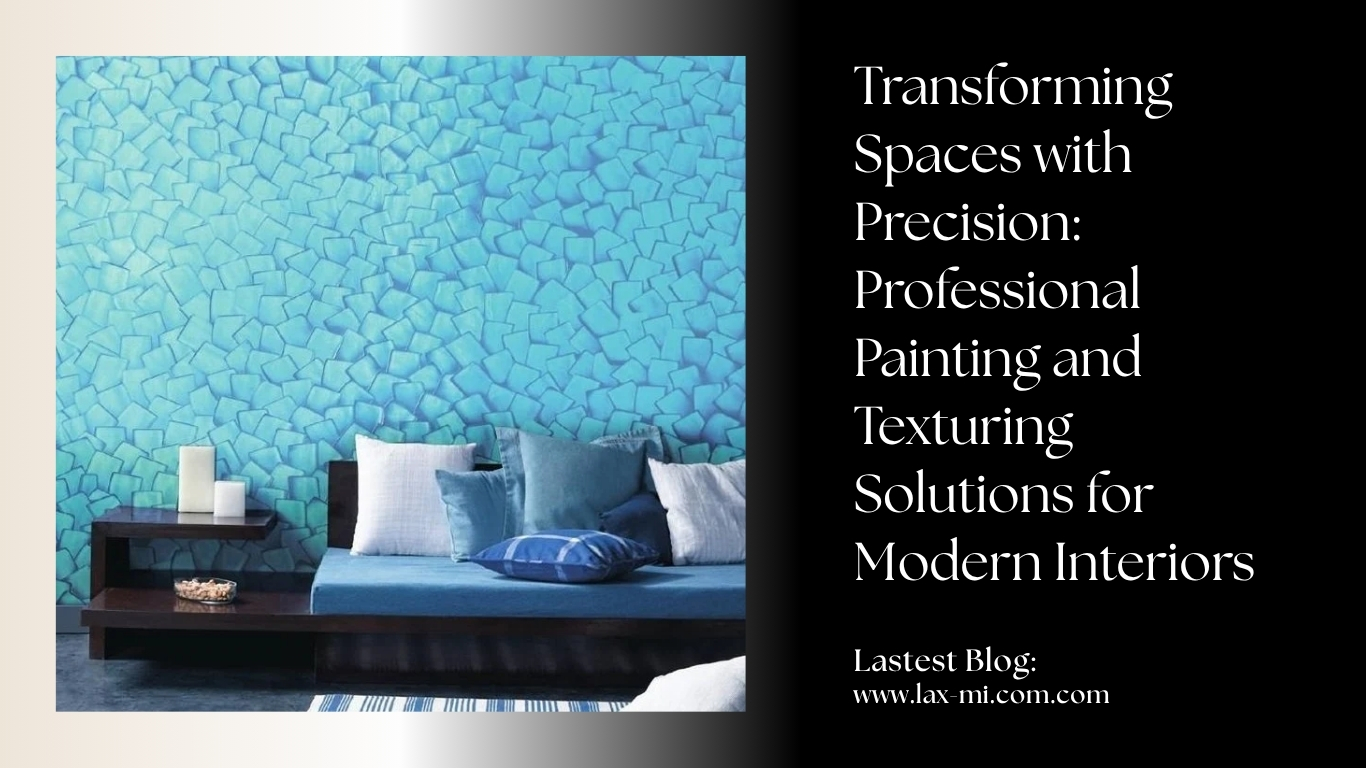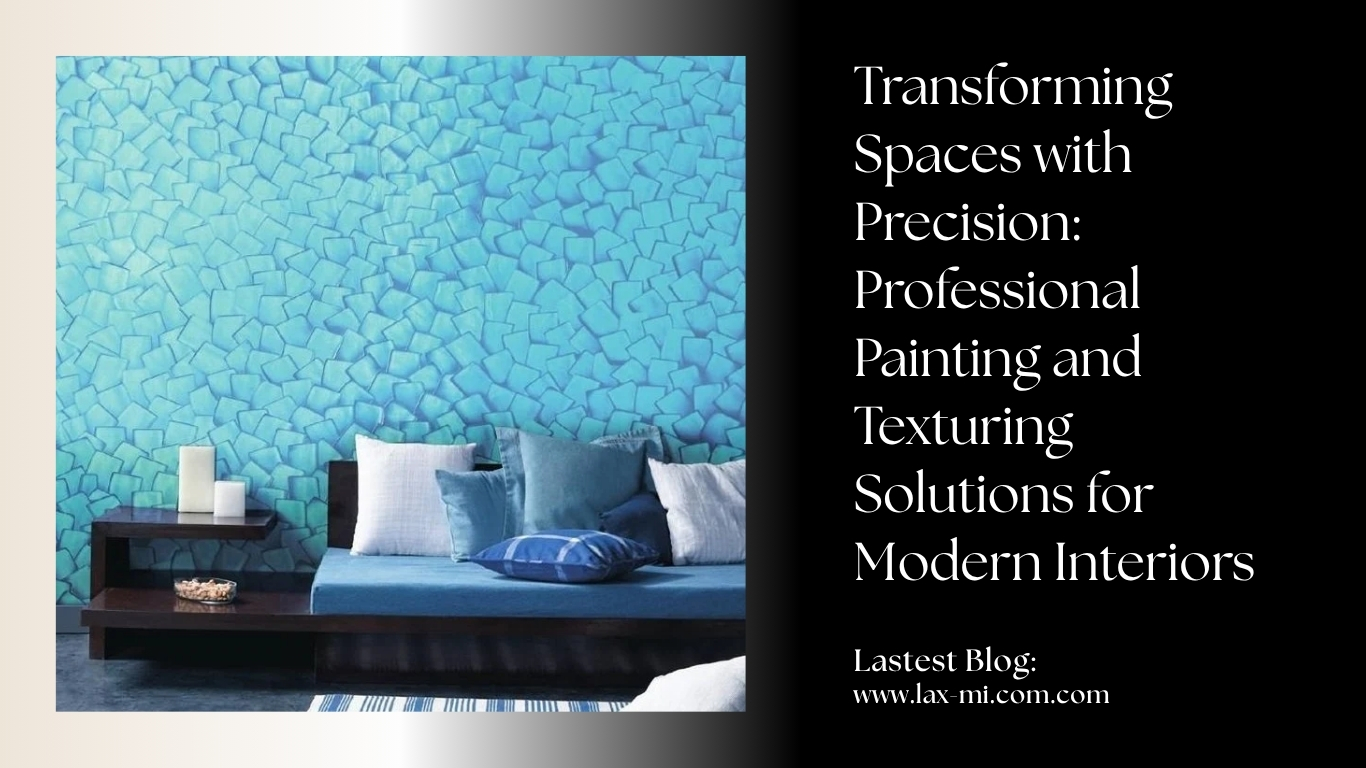
Transforming Spaces with Precision: Professional Painting and Texturing Solutions for Modern Interiors
Introduction
Modern interiors demand more than just functionality; they require character, personality, and a sense of harmony. While furniture and lighting play their roles, walls often define the true mood of a space. Professional painting and texturing solutions bring life to interiors by blending color, creativity, and craftsmanship. Today, homeowners and businesses seek finishes that not only look stunning but also last longer and reflect evolving design trends.
Moreover, with the rise of contemporary architecture, the expectations from interior finishes have grown significantly. Smooth finishes, artistic textures, and innovative coatings now dominate the design landscape. As a result, professional painting has evolved into a specialized service that combines technical skill with artistic vision. Whether it is a residential space, corporate office, or hospitality environment, expert painting and texturing solutions can completely transform the ambiance.
In this blog, you will explore how professional painting and texturing solutions enhance modern interiors, the techniques involved, and why investing in expert services ensures superior results.
The Role of Professional Painting in Modern Interiors
Professional painting does far more than cover walls with color. It enhances aesthetics, protects surfaces, and increases the overall value of a space. Unlike basic painting, professional services involve detailed surface preparation, high-quality materials, and precision application.
First, professionals assess the condition of walls before starting the process. They identify cracks, uneven surfaces, and moisture issues. Then, they apply suitable treatments to ensure a smooth and durable finish. This attention to detail ensures that the final result looks flawless and lasts longer.
Additionally, modern interiors often include different materials such as concrete, wood, metal, and gypsum. Each surface requires a unique painting approach. Professional painters understand these variations and apply the right techniques accordingly. As a result, every element in the space achieves a consistent and refined appearance.
Furthermore, color selection plays a crucial role in defining interiors. Experts guide clients in choosing shades that complement lighting, furniture, and overall design themes. This ensures that the final outcome feels cohesive and visually appealing.
Understanding Texturing Techniques for Contemporary Designs
Texturing adds depth and dimension to walls, making them more visually engaging. Unlike plain paint, textured finishes create patterns and effects that enhance the overall design.
One popular technique involves using textured rollers to create subtle patterns. This approach works well in living rooms and bedrooms, where a soft and elegant look is preferred. On the other hand, bold textures such as stucco or concrete finishes create a dramatic effect, often used in feature walls.
Moreover, metallic textures have gained popularity in modern interiors. These finishes reflect light beautifully and add a luxurious touch to spaces. Similarly, rustic textures bring warmth and character, making them ideal for cozy environments.
In addition, advanced techniques like sponge painting and comb textures allow for creative expression. These methods create unique patterns that stand out while maintaining a sophisticated look.
Professional painters ensure that textures are applied evenly and precisely. This consistency is essential for achieving a polished and high-end finish.
Choosing the Right Colors for Modern Spaces
Color selection influences mood, perception, and functionality. Therefore, choosing the right palette is a critical step in interior design.
Neutral tones such as whites, greys, and beiges remain popular in modern interiors. They create a clean and timeless look. Additionally, they serve as a perfect backdrop for furniture and decor elements.
However, accent colors play an equally important role. Bold shades like navy blue, emerald green, and deep maroon add character and depth. These colors often appear on feature walls to create visual interest.
Furthermore, pastel shades provide a soft and calming effect. They work well in bedrooms, lounges, and wellness spaces. Meanwhile, vibrant colors suit creative environments like studios and cafes.
Lighting also affects how colors appear. Natural light enhances brightness, while artificial lighting can alter tones. Professionals consider these factors to ensure accurate color representation.
Surface Preparation: The Foundation of Quality Finishes
A flawless paint job starts with proper surface preparation. Without this step, even the best paints fail to deliver lasting results.
Initially, professionals clean the surface to remove dust, grease, and old paint residues. Then, they repair cracks and holes using fillers. This creates a smooth base for painting.
Next, they apply primers to improve paint adhesion. Primers also enhance color consistency and durability. In areas prone to moisture, special primers prevent peeling and damage.
Additionally, sanding ensures that surfaces remain even and ready for painting. This step is crucial for achieving a professional finish.
Skipping preparation often leads to uneven textures, poor adhesion, and reduced lifespan. Therefore, investing time in this stage guarantees better results.
Advanced Painting Techniques for Premium Interiors
Modern interiors often require advanced painting techniques to achieve unique effects. These methods go beyond traditional brush and roller applications.
One such technique involves spray painting. This method provides a smooth and even finish, especially on large surfaces. It also reduces visible brush marks, creating a refined look.
Another popular approach is color washing. This technique creates a soft, layered effect that adds depth to walls. It works well in spaces that aim for a classic or artistic appearance.
Additionally, ombre effects have become a trend in contemporary interiors. This style blends two or more colors seamlessly, creating a gradient effect.
Furthermore, geometric patterns add a modern touch. Professionals use precise measurements and masking techniques to achieve clean lines and shapes.
These advanced techniques require skill and experience. Therefore, professional painters ensure accuracy and consistency throughout the process.
The Importance of High-Quality Materials
Using high-quality paints and materials significantly impacts the final outcome. Premium paints offer better coverage, durability, and color retention.
Firstly, they resist fading caused by sunlight and environmental factors. This ensures that walls maintain their appearance over time. Secondly, high-quality paints provide better resistance to stains and moisture.
Additionally, eco-friendly paints have gained popularity. These options contain low or no volatile organic compounds, making them safer for indoor environments.
Moreover, textured finishes require specialized materials. Professionals select products that match the desired effect while ensuring durability.
Investing in quality materials reduces maintenance costs and enhances the longevity of interiors.
Customization: Tailoring Designs to Individual Preferences
Every space has unique requirements, and customization plays a key role in achieving desired results. Professional painting services offer tailored solutions that align with client preferences.
For instance, homeowners may prefer soft and elegant designs, while commercial spaces often require bold and dynamic finishes. Professionals adapt their approach accordingly.
Additionally, feature walls allow for creative expression. These walls often include textures, patterns, or contrasting colors that stand out.
Furthermore, branding elements in commercial interiors require precise color matching. Professional painters ensure consistency with brand guidelines.
Customization ensures that interiors reflect personality and purpose effectively.
Enhancing Durability with Protective Coatings
Protective coatings extend the life of painted surfaces. These coatings shield walls from damage caused by moisture, stains, and wear.
For example, waterproof coatings are essential in kitchens and bathrooms. They prevent water damage and maintain surface integrity.
Similarly, anti-fungal coatings protect walls in humid environments. These coatings reduce the risk of mold growth.
Additionally, scratch-resistant finishes work well in high-traffic areas. They maintain the appearance of walls despite frequent use.
Professional painters recommend suitable coatings based on the environment and usage of the space.
The Impact of Lighting on Painted Surfaces
Lighting plays a crucial role in how colors and textures appear. Therefore, it must be considered during the painting process.
Natural light enhances brightness and reveals true colors. However, artificial lighting can alter the perception of shades.
Warm lighting creates a cozy atmosphere, while cool lighting gives a modern and clean look. Professionals consider these effects when selecting colors and finishes.
Moreover, textured surfaces interact with light differently. They create shadows and highlights that enhance depth.
Understanding lighting ensures that interiors look appealing under all conditions.
Sustainability in Modern Painting Solutions
Sustainability has become a priority in interior design. As a result, eco-friendly painting solutions are gaining importance.
Low-VOC and zero-VOC paints reduce harmful emissions. They improve indoor air quality and promote healthier living environments.
Additionally, sustainable practices include proper waste management and efficient use of materials. Professionals adopt these methods to minimize environmental impact.
Furthermore, durable finishes reduce the need for frequent repainting. This conserves resources and reduces costs over time.
Sustainable painting solutions combine aesthetics with environmental responsibility.
Professional Expertise vs DIY Approaches
While DIY painting may seem cost-effective, it often lacks the precision and quality of professional work.
Professionals bring experience, tools, and technical knowledge to the project. They handle complex tasks such as surface preparation, texture application, and color matching.
Additionally, they complete projects efficiently, saving time and effort. DIY approaches may lead to uneven finishes and frequent touch-ups.
Moreover, professional services ensure safety during the process. They use proper equipment and follow industry standards.
Investing in professional painting guarantees superior results and long-term value.
Trends Shaping Modern Interior Finishes
Interior design trends continue to evolve, influencing painting and texturing styles.
Minimalist designs emphasize neutral tones and clean finishes. These styles create a calm and organized environment.
On the other hand, bold textures and statement walls add personality. These elements create focal points within spaces.
Additionally, natural finishes inspired by stone, wood, and concrete are gaining popularity. They bring an organic feel to interiors.
Metallic accents and high-gloss finishes also remain in demand for luxurious settings.
Staying updated with trends ensures that interiors remain modern and relevant.
Maintenance Tips for Long-Lasting Finishes
Proper maintenance extends the life of painted surfaces. Regular cleaning prevents dust and stains from accumulating.
Using mild cleaning solutions helps maintain color and texture. Harsh chemicals can damage finishes and reduce durability.
Additionally, addressing minor damages early prevents larger issues. Touch-ups keep walls looking fresh and well-maintained.
Professional guidance on maintenance ensures that interiors retain their quality over time.
Creating Cohesive Interior Designs
A well-designed interior requires harmony between colors, textures, and materials. Professional painting plays a key role in achieving this balance.
Coordinating wall finishes with furniture, flooring, and decor creates a unified look. This enhances the overall aesthetic appeal.
Additionally, consistent color schemes across different spaces maintain visual continuity. This approach works well in both residential and commercial interiors.
Professional painters collaborate with designers to ensure cohesive results.
Conclusion
Professional painting and texturing solutions have become essential elements of modern interior design. They go beyond aesthetics to provide durability, functionality, and value. With advanced techniques, high-quality materials, and expert craftsmanship, these services transform ordinary spaces into visually stunning environments.
Moreover, the growing demand for customized and sustainable solutions highlights the importance of professional expertise. From selecting the right colors to applying intricate textures, every step contributes to the final outcome.
Ultimately, investing in professional painting ensures that interiors reflect style, sophistication, and quality. Whether you aim to create a cozy home or a dynamic commercial space, expert solutions deliver results that stand the test of time.