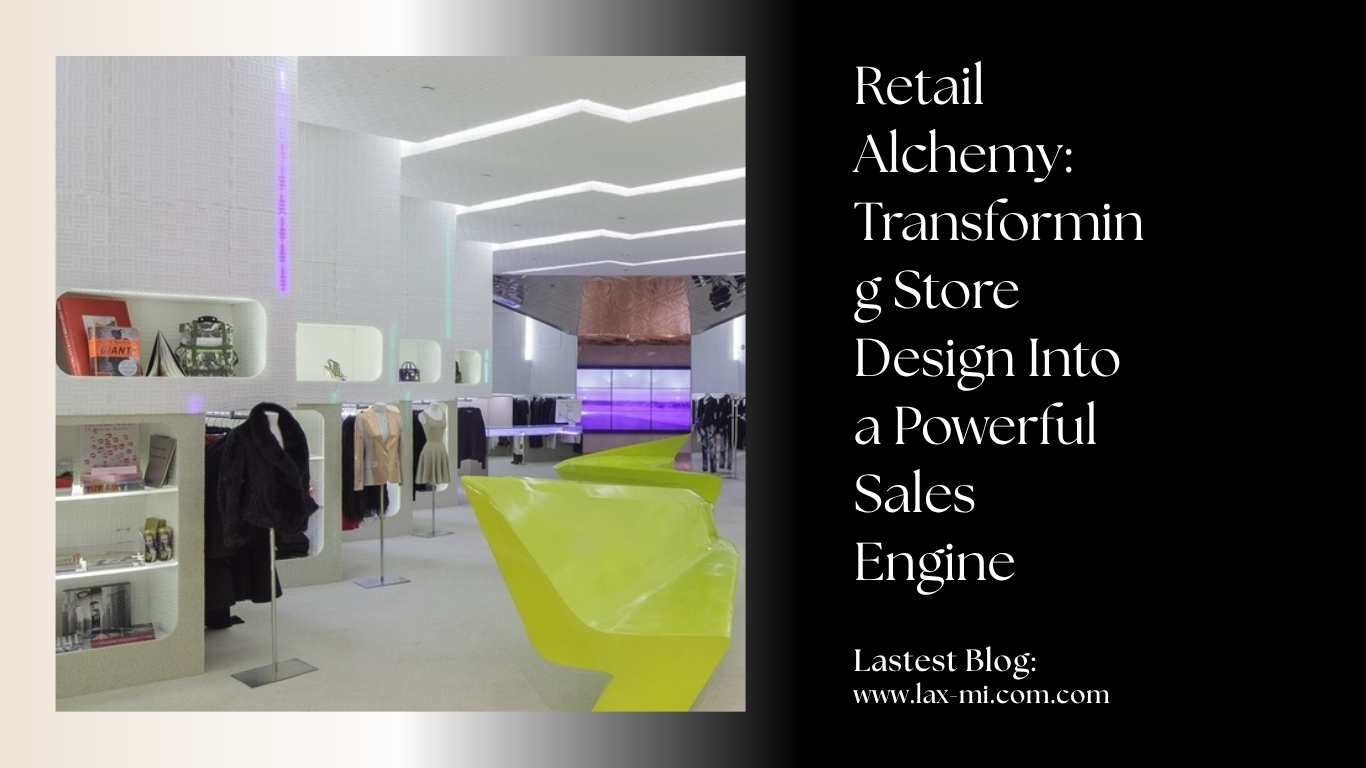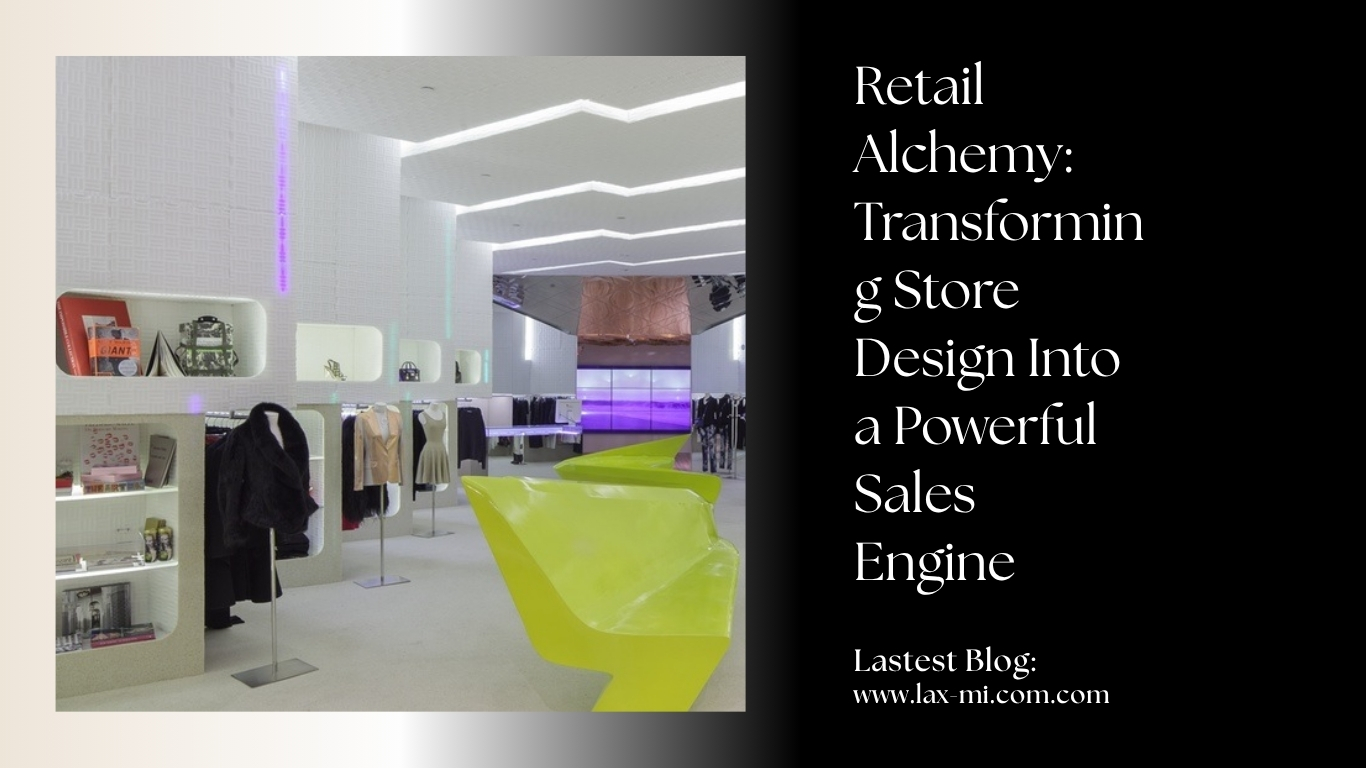
Retail Alchemy: Transforming Store Design Into a Powerful Sales Engine
Retail has evolved far beyond simply placing products on shelves and waiting for customers to make purchases. Today, every successful store tells a story, guides customer behavior, and creates an emotional connection that drives buying decisions. Retail store design plays a crucial role in shaping how customers perceive a brand, how long they stay, and ultimately how much they spend. When done right, it turns casual visitors into loyal customers and significantly boosts revenue.
In an increasingly competitive market, businesses must focus on creating immersive shopping experiences rather than just functional spaces. Customers now expect more than convenience; they look for inspiration, comfort, and engagement. Therefore, adopting effective retail store design ideas that increase sales is no longer optional—it is essential.
This blog explores powerful retail store design strategies that not only enhance aesthetics but also improve customer flow, increase product visibility, and encourage higher spending. Each concept focuses on practical implementation while ensuring a seamless and enjoyable shopping journey.
Creating a Strong First Impression With Entrance Design
The entrance of a retail store acts as the first point of interaction between the brand and the customer. A well-designed entrance instantly attracts attention and invites people inside. Bright lighting, clean glass facades, and clear branding help establish trust and curiosity.
A compelling storefront display also plays a vital role. It should highlight key products, seasonal themes, or promotional offers. When customers see something visually appealing, they feel encouraged to step inside. Moreover, keeping the entrance clutter-free ensures smooth movement, especially during peak hours.
Adding sensory elements such as subtle fragrances or background music near the entrance can further enhance the experience. These small details create a welcoming atmosphere and set the tone for the rest of the store.
Optimizing Store Layout for Better Customer Flow
An effective layout guides customers naturally through the store while exposing them to multiple products. Strategic pathways encourage exploration without overwhelming visitors. Grid layouts work well for supermarkets, while free-flow layouts suit fashion and lifestyle stores.
Placing high-demand products deeper inside the store increases the chances of customers browsing additional items along the way. Similarly, wide aisles prevent congestion and allow customers to move comfortably.
Transitions between sections should feel seamless. Clear zoning helps customers navigate easily and find what they need without frustration. A well-planned layout not only improves the shopping experience but also increases the likelihood of impulse purchases.
Strategic Product Placement That Drives Impulse Buying
Product placement significantly impacts purchasing decisions. Eye-level shelves are prime real estate because customers naturally focus on them. Placing high-margin or popular products in these areas boosts sales.
Complementary products should sit close to each other. For example, placing accessories near clothing items encourages customers to buy complete sets. This approach increases the average transaction value.
End-cap displays and checkout counters offer excellent opportunities for impulse buying. Small, attractive items placed in these zones often lead to last-minute purchases. Retailers who use smart placement strategies can influence buying behavior effectively.
Lighting Techniques That Enhance Product Appeal
Lighting does more than illuminate a space; it shapes how customers perceive products. Warm lighting creates a cozy atmosphere, while bright lighting highlights product details. Using a combination of ambient, accent, and task lighting adds depth to the store.
Accent lighting draws attention to featured products or promotional displays. Spotlights can highlight new arrivals or premium items. Meanwhile, softer lighting in certain areas encourages customers to spend more time browsing.
Natural lighting also enhances the shopping experience. Large windows or skylights make the space feel open and inviting. Proper lighting design not only improves visibility but also elevates the overall aesthetic appeal.
Visual Merchandising That Tells a Story
Visual merchandising transforms products into experiences. Instead of simply displaying items, retailers should create themed arrangements that tell a story. This approach captures attention and sparks emotional connections.
Using mannequins, props, and creative backdrops helps customers visualize how products fit into their lives. Seasonal displays keep the store fresh and relevant throughout the year.
Consistency in colors, textures, and themes strengthens brand identity. When customers see a cohesive presentation, they perceive the brand as more professional and trustworthy. Effective visual merchandising encourages customers to engage with products and make purchases.
The Power of Color Psychology in Retail Spaces
Colors influence emotions and behavior more than most people realize. Warm colors like red and orange create excitement and urgency, which can drive quick purchases. Cool colors like blue and green promote calmness and trust.
Retailers should choose colors that align with their brand identity and target audience. For example, luxury stores often use neutral tones with subtle accents to convey elegance. On the other hand, youth-focused brands may use vibrant colors to create energy.
Balancing colors throughout the store ensures visual harmony. Overusing bold colors can overwhelm customers, while a well-planned palette creates a pleasant shopping environment.
Incorporating Technology for Enhanced Customer Experience
Modern retail design integrates technology to improve convenience and engagement. Digital screens can showcase promotions, product details, or brand stories. Interactive kiosks allow customers to explore options without needing assistance.
Smart mirrors and virtual try-on features enhance the shopping experience, especially in fashion stores. Mobile payment options and self-checkout systems reduce waiting times, which improves customer satisfaction.
Retailers who embrace technology create a seamless and modern shopping journey. This approach not only attracts tech-savvy customers but also increases efficiency.
Creating Comfortable Spaces That Encourage Longer Visits
Comfort plays a crucial role in customer behavior. When customers feel relaxed, they tend to spend more time in the store and explore more products. Seating areas, spacious layouts, and proper ventilation contribute to comfort.
Providing rest zones for companions can also make a difference. While one person shops, others can relax, which reduces pressure and allows shoppers to browse freely.
Temperature control is equally important. A well-ventilated store ensures a pleasant experience, especially in regions with extreme weather. Comfortable environments lead to longer visits and higher sales.
Designing Effective Signage for Easy Navigation
Clear and attractive signage helps customers navigate the store effortlessly. Directional signs guide them to different sections, while promotional signs highlight offers and discounts.
Fonts should be easy to read, and colors should contrast well with the background. Overloading the store with too many signs can confuse customers, so simplicity is key.
Digital signage adds flexibility, allowing retailers to update content quickly. Well-designed signage reduces confusion and enhances the overall shopping experience.
Using Music and Ambience to Influence Buying Behavior
Music has a subtle yet powerful impact on customer behavior. Slow-paced music encourages customers to spend more time in the store, while upbeat music creates energy and excitement.
The volume should remain moderate to avoid discomfort. The choice of music should align with the brand identity and target audience.
Ambient elements such as scent and lighting complement the overall atmosphere. A pleasant environment makes customers feel good, which increases the likelihood of purchases.
Maximizing Checkout Area Efficiency
The checkout area is the final touchpoint in the customer journey. A smooth and efficient checkout process leaves a positive impression. Long queues can frustrate customers and lead to abandoned purchases.
Multiple billing counters or self-checkout options reduce waiting time. Clear queue management ensures an organized flow.
This area also presents an opportunity for impulse buying. Displaying small, affordable items near the checkout encourages last-minute additions to the cart.
Flexible Design That Adapts to Trends
Retail trends change rapidly, and store design should adapt accordingly. Modular fixtures and movable displays allow retailers to update layouts easily.
Seasonal redesigns keep the store fresh and engaging. Customers are more likely to return when they see new arrangements and themes.
Flexibility also helps retailers respond to changing customer preferences. A dynamic store environment stays relevant and competitive in the market.
Building Brand Identity Through Interior Design
Every element of the store should reflect the brand’s identity. From colors and materials to layout and lighting, consistency is key. A strong brand presence creates recognition and trust.
Unique design elements set a store apart from competitors. Signature features such as custom fixtures or themed sections leave a lasting impression.
When customers connect with a brand emotionally, they are more likely to become loyal. Interior design plays a vital role in building that connection.
Encouraging Social Media Engagement Through Design
Modern retail spaces should be “Instagram-worthy.” Eye-catching corners, creative displays, and unique decor encourage customers to take photos and share them online.
User-generated content acts as free marketing and increases brand visibility. Hashtags, branded walls, or interactive installations can enhance engagement.
When customers share their experiences, they indirectly promote the store to a wider audience. This strategy helps attract new customers and boosts sales.
Leveraging Window Displays to Attract Foot Traffic
Window displays act as silent salespeople. A well-designed display captures attention and communicates the brand message instantly. It should showcase key products in a visually appealing way.
Changing displays regularly keeps them interesting and relevant. Seasonal themes and storytelling elements make them more engaging.
Lighting plays a crucial role in highlighting window displays, especially at night. Attractive displays draw people inside, increasing foot traffic and potential sales.
Conclusion
Retail success depends on more than just product quality or pricing. The design of a store plays a crucial role in shaping customer experiences and influencing purchasing decisions. By implementing thoughtful retail store design ideas that increase sales, businesses can create environments that attract, engage, and convert customers effectively.
From entrance design and layout optimization to lighting, technology, and branding, every element contributes to the overall experience. When these elements work together seamlessly, they create a powerful sales engine that drives growth and customer loyalty.
Retailers who invest in smart design strategies position themselves for long-term success. As customer expectations continue to evolve, adapting and innovating in store design will remain a key factor in staying ahead of the competition.