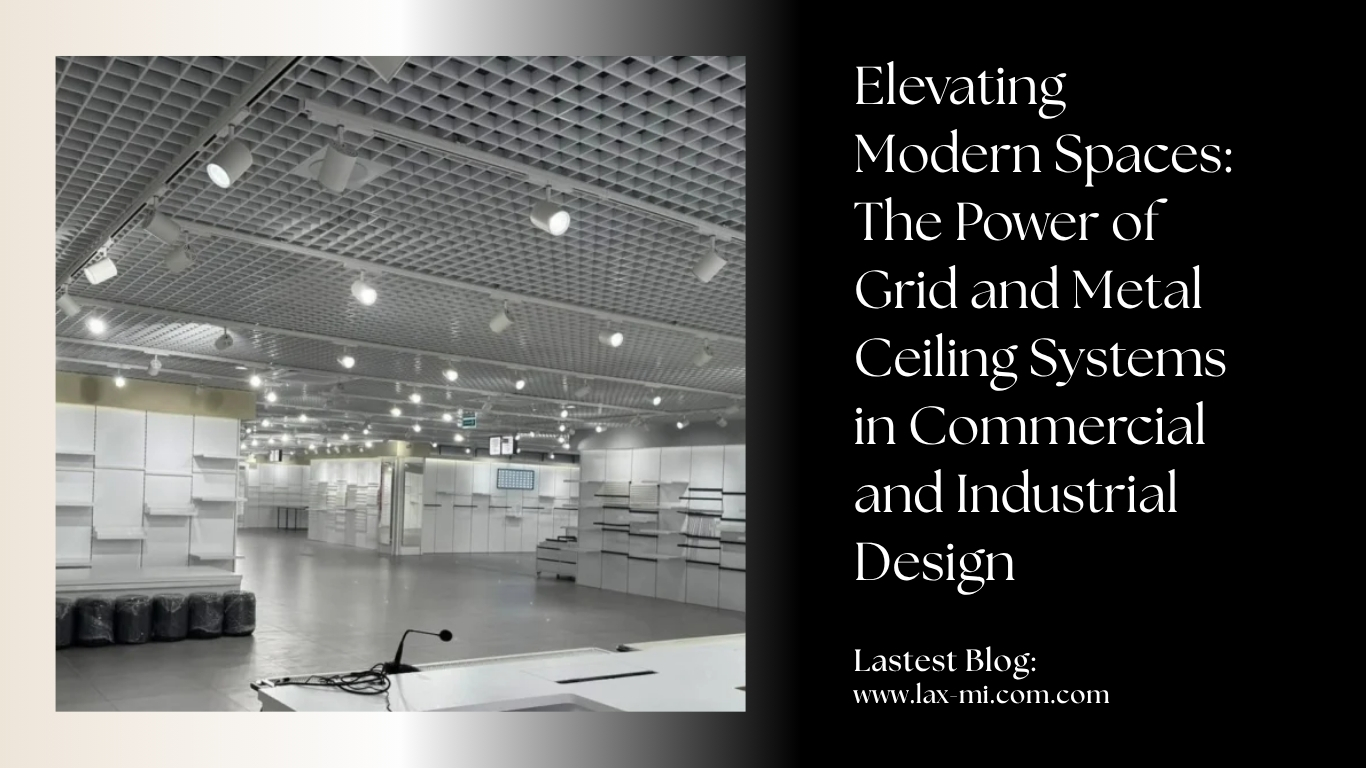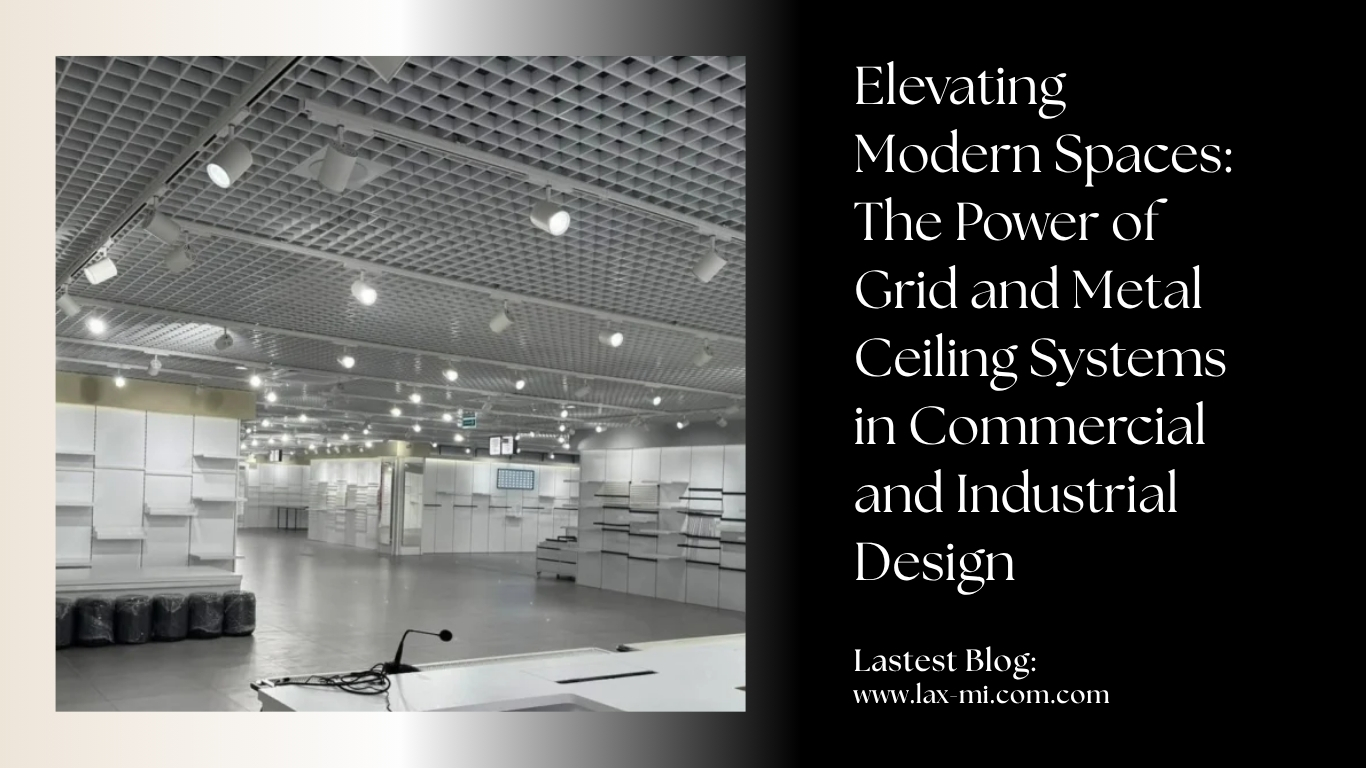
Elevating Modern Spaces: The Power of Grid and Metal Ceiling Systems in Commercial and Industrial Design
In today’s fast-evolving architectural landscape, ceilings are no longer treated as mere structural afterthoughts. Instead, they have become an essential design element that influences aesthetics, functionality, and performance. Among the most innovative solutions available, grid and metal ceiling systems for commercial and industrial spaces stand out as a perfect blend of durability, flexibility, and visual appeal. These systems not only enhance the overall ambiance but also support operational efficiency, making them a preferred choice across offices, factories, retail outlets, and large-scale infrastructure projects.
As businesses strive to create environments that reflect professionalism and efficiency, ceiling systems play a vital role. They contribute to acoustics, lighting integration, fire safety, and maintenance ease. Therefore, selecting the right ceiling system becomes a strategic decision rather than a purely decorative one. This blog explores how grid and metal ceiling systems transform commercial and industrial environments, highlighting their benefits, applications, and future potential.
Understanding Grid and Metal Ceiling Systems
Grid and metal ceiling systems for commercial and industrial spaces consist of a suspended framework that supports ceiling panels, usually made from aluminum or steel. The grid structure creates a modular layout, allowing easy installation and replacement of panels. This design ensures flexibility while maintaining a clean and organized appearance.
Unlike traditional ceilings, these systems provide access to hidden utilities such as electrical wiring, HVAC systems, and plumbing. As a result, maintenance becomes simpler and less time-consuming. Additionally, the metal panels offer superior strength and longevity, which is crucial in high-traffic or industrial environments.
Moreover, these ceiling systems come in various finishes, patterns, and perforations. This versatility allows designers to tailor the ceiling to match the specific requirements of each space. Whether the goal is to achieve a sleek corporate look or a rugged industrial aesthetic, grid and metal ceiling systems deliver consistent results.
Why Commercial Spaces Prefer Grid Ceiling Systems
Commercial environments demand a balance between aesthetics and practicality. Grid and metal ceiling systems for commercial and industrial spaces meet these expectations effectively. They create a structured and professional look that aligns with modern office designs.
One of the main advantages lies in their adaptability. Businesses often undergo layout changes, and these ceiling systems accommodate modifications without significant disruptions. Panels can be removed and repositioned with ease, allowing seamless upgrades.
Additionally, grid ceiling systems enhance lighting distribution. Integrated lighting fixtures fit perfectly within the grid, ensuring uniform illumination. This feature improves employee productivity and customer experience, especially in retail and office settings.
Furthermore, these systems support acoustic control. Noise reduction becomes essential in busy environments, and perforated metal panels help absorb sound. Consequently, they create a more comfortable and focused atmosphere.
Industrial Applications and Performance Benefits
In industrial settings, durability and functionality take precedence. Grid and metal ceiling systems for commercial and industrial spaces excel in these areas. Their robust construction withstands harsh conditions, including high humidity, temperature fluctuations, and exposure to chemicals.
Factories and warehouses benefit from the fire-resistant properties of metal ceilings. Safety remains a top priority, and these systems contribute to compliance with industry regulations. Additionally, their resistance to corrosion ensures long-term performance with minimal maintenance.
Another significant advantage is hygiene. Industries such as pharmaceuticals and food processing require clean environments. Metal ceiling panels are easy to clean and do not harbor dust or contaminants. Therefore, they help maintain strict hygiene standards.
Moreover, these ceiling systems improve energy efficiency. Reflective surfaces enhance light distribution, reducing the need for excessive artificial lighting. As a result, businesses can lower energy consumption and operational costs.
Design Flexibility and Aesthetic Appeal
Modern architecture emphasizes visual impact, and ceiling design plays a crucial role in achieving it. Grid and metal ceiling systems for commercial and industrial spaces offer unmatched design flexibility. Designers can experiment with patterns, textures, and colors to create unique interiors.
Metal panels can feature perforations, linear designs, or custom shapes. These options allow creative expression while maintaining structural integrity. Additionally, powder-coated finishes provide durability and a polished appearance.
In commercial spaces such as malls and airports, ceilings often serve as focal points. Grid systems enable large-scale installations that captivate visitors. Meanwhile, in offices, they contribute to a sleek and contemporary look.
Furthermore, these systems integrate seamlessly with other design elements. Lighting, ventilation, and signage blend effortlessly into the ceiling structure. This integration ensures a cohesive and visually appealing environment.
Acoustic Performance and Sound Management
Noise control remains a critical factor in both commercial and industrial environments. Grid and metal ceiling systems for commercial and industrial spaces address this challenge effectively. Perforated panels, combined with acoustic backing materials, reduce noise levels significantly.
In open-plan offices, sound absorption improves communication and concentration. Employees experience fewer distractions, leading to higher productivity. Similarly, in industrial settings, noise reduction enhances worker safety and comfort.
Additionally, these ceiling systems prevent sound reverberation. Echoes can disrupt operations and create discomfort, especially in large spaces. By minimizing reverberation, metal ceilings contribute to a more controlled acoustic environment.
Moreover, customized acoustic solutions allow businesses to meet specific requirements. Designers can select panel types and configurations that achieve the desired sound performance.
Easy Installation and Maintenance Advantages
One of the standout features of grid and metal ceiling systems for commercial and industrial spaces is their ease of installation. The modular design simplifies the process, reducing construction time and labor costs.
Installers can assemble the grid framework quickly and place panels without complex procedures. This efficiency proves beneficial in large projects where time constraints are critical. Additionally, the lightweight nature of metal panels further accelerates installation.
Maintenance also becomes straightforward. Individual panels can be removed for repairs or inspections without disturbing the entire ceiling. This accessibility reduces downtime and ensures smooth operations.
Furthermore, metal ceilings resist wear and tear. Unlike traditional materials, they do not crack, warp, or sag over time. Consequently, businesses enjoy long-lasting performance with minimal upkeep.
Sustainability and Environmental Impact
Sustainability has become a key consideration in modern construction. Grid and metal ceiling systems for commercial and industrial spaces align with eco-friendly practices. Metal panels are recyclable, reducing environmental impact.
Additionally, these systems contribute to energy efficiency. Reflective surfaces enhance natural and artificial lighting, lowering energy consumption. This feature supports green building certifications and sustainability goals.
Moreover, the durability of metal ceilings reduces the need for frequent replacements. Fewer replacements mean less material waste, which benefits the environment. Businesses can achieve long-term sustainability without compromising performance.
Furthermore, manufacturers increasingly use eco-friendly coatings and production methods. These advancements ensure that ceiling systems meet environmental standards while maintaining high quality.
Integration with Modern Building Technologies
Smart buildings require seamless integration of various technologies. Grid and metal ceiling systems for commercial and industrial spaces support this integration effectively. They accommodate advanced lighting systems, sensors, and HVAC components.
For instance, smart lighting solutions fit within the grid structure, enabling automated control. Similarly, sensors for temperature, occupancy, and air quality integrate بسهولة. This connectivity enhances building efficiency and user comfort.
Additionally, these ceiling systems allow easy upgrades. As technology evolves, businesses can incorporate new features without major structural changes. This flexibility ensures that buildings remain future-ready.
Moreover, concealed wiring and systems maintain a clean and organized appearance. The ceiling acts as a functional layer that supports modern infrastructure while preserving aesthetics.
Cost Efficiency and Long-Term Value
While initial investment matters, long-term value holds greater importance. Grid and metal ceiling systems for commercial and industrial spaces offer excellent return on investment. Their durability reduces maintenance and replacement costs.
Energy savings further enhance cost efficiency. Improved lighting distribution and insulation contribute to lower utility bills. Over time, these savings offset the initial expenditure.
Additionally, the ease of maintenance minimizes operational disruptions. Businesses can carry out repairs quickly, avoiding costly downtime. This advantage proves especially valuable in industrial environments.
Furthermore, the aesthetic appeal of metal ceilings adds value to commercial spaces. Attractive interiors attract customers and create a positive impression. As a result, businesses can enhance their brand image and profitability.
Safety Features and Compliance Standards
Safety remains a top priority in commercial and industrial projects. Grid and metal ceiling systems for commercial and industrial spaces meet stringent safety standards. Metal panels offer fire resistance, reducing the risk of fire spread.
Additionally, these systems comply with building codes and regulations. Manufacturers design them to meet specific requirements, ensuring reliability and safety. This compliance provides peace of mind for businesses and property owners.
Moreover, the structural stability of grid systems prevents accidents. Proper installation ensures that panels remain secure even in demanding conditions. This reliability becomes crucial in high-traffic areas.
Furthermore, metal ceilings do not emit harmful substances. They maintain indoor air quality, contributing to a safe and healthy environment for occupants.
Customization Options for Diverse Industries
Different industries have unique requirements, and ceiling systems must adapt accordingly. Grid and metal ceiling systems for commercial and industrial spaces offer extensive customization options. Businesses can choose panel sizes, finishes, and configurations to suit their needs.
For example, healthcare facilities require hygienic and easy-to-clean surfaces. Metal ceilings meet these requirements effectively. Similarly, retail spaces benefit from visually appealing designs that attract customers.
Industrial facilities may prioritize durability and functionality. Custom metal panels provide the necessary strength and resistance. This adaptability ensures that ceiling systems deliver optimal performance across various sectors.
Moreover, branding elements can be incorporated into the design. Custom colors and patterns reflect a company’s identity, enhancing visual impact.
Future Trends in Ceiling System Design
The future of ceiling design continues to evolve, driven by innovation and technology. Grid and metal ceiling systems for commercial and industrial spaces are at the forefront of this transformation. Emerging trends focus on sustainability, smart integration, and aesthetic enhancements.
Advanced manufacturing techniques enable intricate designs and improved performance. Additionally, smart ceiling systems integrate lighting, acoustics, and environmental controls seamlessly.
Furthermore, modular designs will continue to gain popularity. Businesses seek flexible solutions that adapt to changing needs. Grid systems provide this adaptability, ensuring long-term relevance.
Moreover, eco-friendly materials and processes will shape the future. Sustainable ceiling systems will become standard, aligning with global environmental goals.
Enhancing Brand Identity Through Ceiling Design
Ceiling design plays a subtle yet powerful role in branding. Grid and metal ceiling systems for commercial and industrial spaces allow businesses to create distinctive environments. Unique designs leave lasting impressions on clients and visitors.
Retail stores, for instance, use creative ceiling patterns to enhance customer experience. Offices incorporate sleek designs that reflect professionalism. Industrial facilities showcase efficiency through functional aesthetics.
Additionally, lighting integration enhances visual appeal. Strategic placement of lights highlights architectural features and creates ambiance. This combination of design and functionality strengthens brand identity.
Moreover, consistent design elements across spaces reinforce brand recognition. Ceiling systems contribute to a cohesive and memorable environment.
Conclusion
Grid and metal ceiling systems for commercial and industrial spaces have redefined modern construction and design. They offer a perfect combination of durability, flexibility, and aesthetic appeal. From enhancing acoustics to improving energy efficiency, these systems deliver comprehensive benefits.
As businesses continue to prioritize efficiency and sustainability, the demand for advanced ceiling solutions will grow. Grid and metal ceiling systems provide the adaptability needed to meet evolving requirements. They support modern technologies, ensure safety, and contribute to long-term value.
Ultimately, investing in the right ceiling system transforms spaces into functional and visually appealing environments. Whether in commercial offices or industrial facilities, these systems play a crucial role in shaping the future of interior design.