Shaping Tomorrow’s Spaces: Advanced Aluminium Fabrication Solutions for Modern Interiors
Modern interiors no longer rely only on aesthetics; they demand precision, durability, and intelligent material use. Among all contemporary materials, aluminium has emerged as a game-changer. It blends strength with flexibility, while offering a sleek, modern appearance that fits perfectly into evolving design trends. As a result, advanced aluminium fabrication solutions have become essential for architects, interior designers, and developers who aim to create functional yet visually striking spaces.
Moreover, aluminium adapts effortlessly to both residential and commercial interiors. From minimalist homes to large-scale corporate offices, this material supports innovation without compromising on quality. Because of its lightweight nature and corrosion resistance, aluminium allows designers to experiment freely. At the same time, it ensures long-term reliability. Therefore, advanced aluminium fabrication solutions for modern interiors represent not just a trend, but a transformation in how spaces are designed and experienced.
The Rise of Aluminium in Interior Design
Aluminium has steadily replaced traditional materials like wood and steel in many interior applications. This shift has happened due to its superior performance and versatility. Unlike wood, aluminium does not warp or crack over time. Similarly, it resists rust better than steel, making it ideal for both indoor and semi-exposed environments.
In addition, aluminium fabrication techniques have evolved significantly. Today, designers can achieve intricate patterns, seamless finishes, and customized structures with ease. Because of this flexibility, aluminium supports both modern and industrial design themes. Furthermore, its clean lines and polished surfaces enhance the overall aesthetic appeal of interiors.
Another reason behind its popularity lies in sustainability. Aluminium is highly recyclable, which makes it an eco-friendly option. As sustainability becomes a priority in construction and design, aluminium naturally stands out as a responsible choice.
Precision Engineering Meets Creative Freedom
Advanced aluminium fabrication solutions bring together engineering accuracy and artistic expression. Fabricators now use CNC machines, laser cutting, and automated bending techniques to create highly precise components. As a result, every piece fits perfectly within the design framework.
At the same time, these technologies allow for customization at a deeper level. Designers can experiment with textures, finishes, and shapes without limitations. Whether it is a curved partition or a geometric ceiling panel, aluminium makes it achievable.
Furthermore, this level of precision reduces material wastage. Since every component is pre-measured and fabricated, installation becomes quicker and more efficient. Consequently, projects save both time and cost while maintaining high-quality standards.
Applications in Residential Interiors
In modern homes, aluminium fabrication plays a crucial role in enhancing both functionality and style. Aluminium sliding doors, for instance, create seamless transitions between indoor and outdoor spaces. They allow natural light to flow freely, making rooms feel more spacious and inviting.
Additionally, aluminium kitchen cabinets offer a sleek and durable alternative to traditional wooden cabinets. They resist moisture, heat, and pests, ensuring long-term performance. Similarly, wardrobes with aluminium frames provide a contemporary look while maintaining structural strength.
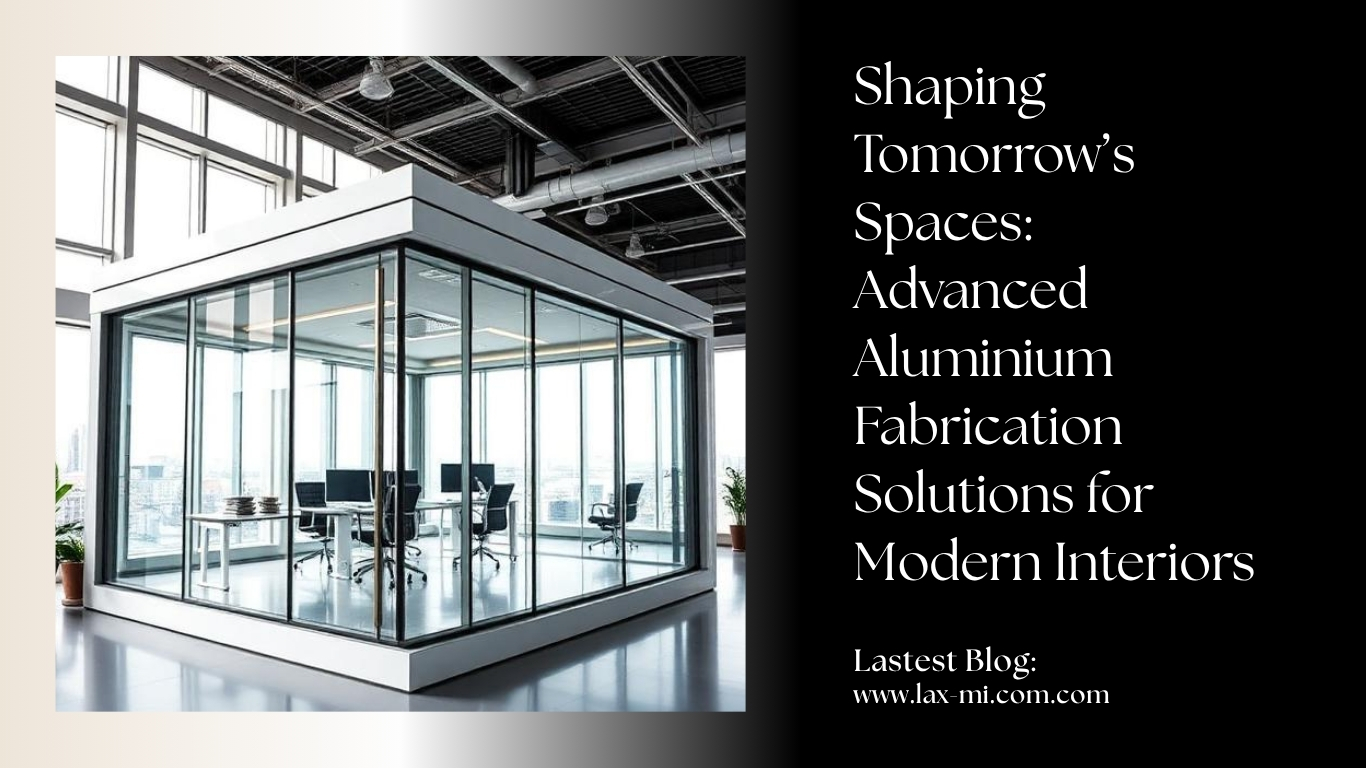
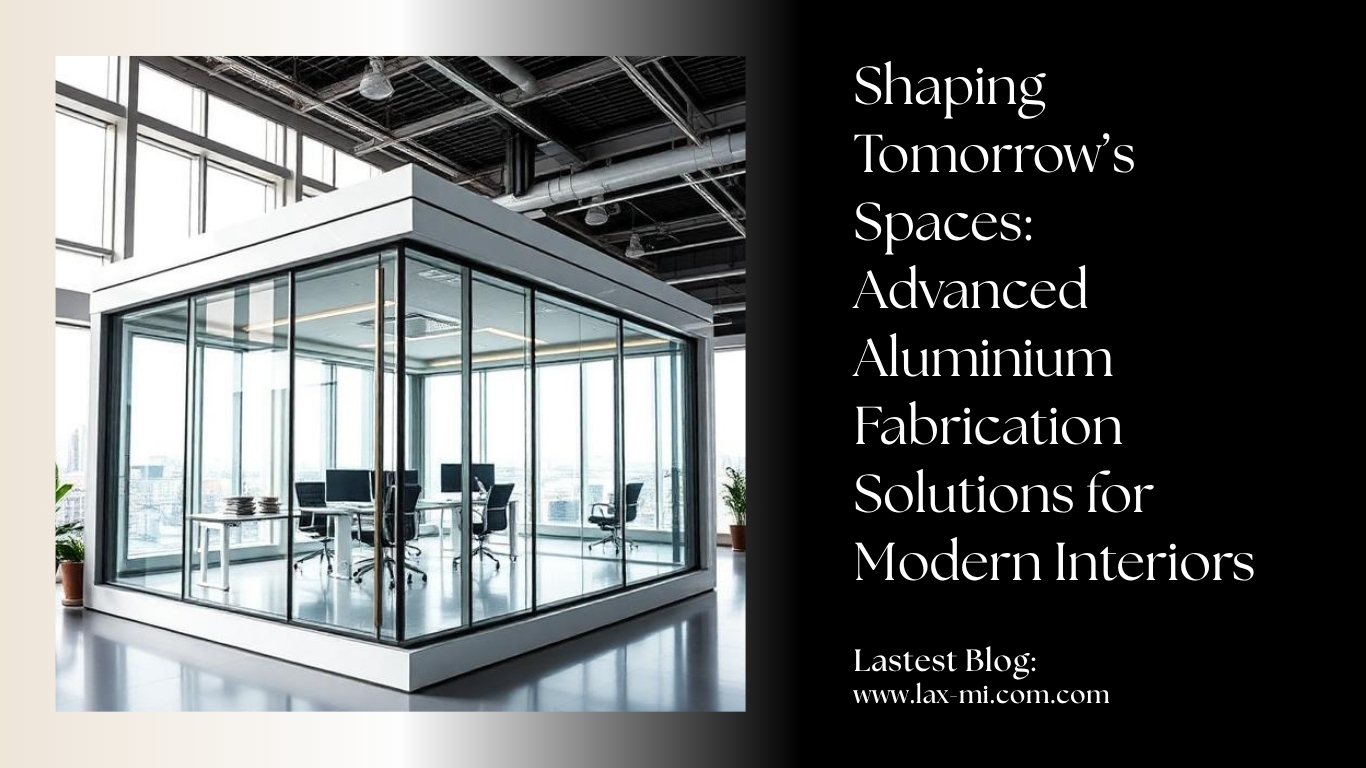
Partition systems made from aluminium also help in defining spaces without making them feel enclosed. These partitions often combine glass and aluminium, creating a balance between openness and privacy. As a result, homeowners can enjoy flexible layouts that adapt to their needs.
Transforming Commercial Spaces with Aluminium
Commercial interiors demand durability, efficiency, and a professional appearance. Aluminium fabrication meets all these requirements effectively. Office partitions, for example, use aluminium frames to create organized workspaces while maintaining transparency and openness.
Moreover, aluminium ceiling systems contribute to acoustic control and aesthetic appeal. These systems often include perforated panels that enhance sound absorption. At the same time, they add a modern touch to the overall design.
Retail stores also benefit from aluminium fabrication. Display units, shelving systems, and storefronts made from aluminium offer durability and visual appeal. Because of their lightweight structure, these elements can be easily reconfigured to suit changing layouts.
Innovative Finishes and Surface Treatments
One of the most exciting aspects of advanced aluminium fabrication solutions is the variety of finishes available. Powder coating, anodizing, and brushed finishes allow designers to achieve different looks and textures.
Powder-coated aluminium, for instance, provides a smooth and vibrant finish. It also enhances resistance to scratches and environmental damage. On the other hand, anodized aluminium offers a metallic sheen that adds sophistication to interiors.
Additionally, wood-grain finishes on aluminium have gained popularity. These finishes replicate the appearance of wood while retaining the benefits of aluminium. As a result, designers can achieve a warm and natural look without compromising durability.
Sustainability and Eco-Friendly Benefits
Sustainability plays a vital role in modern interior design. Aluminium supports this goal through its recyclability and energy efficiency. Unlike many materials, aluminium can be recycled repeatedly without losing its properties.
Furthermore, aluminium fabrication processes have become more energy-efficient. Manufacturers now use advanced technologies to reduce energy consumption and emissions. As a result, aluminium solutions contribute to greener construction practices.
In addition, aluminium structures often improve energy efficiency within buildings. For example, aluminium window frames with thermal breaks help regulate indoor temperatures. This reduces the need for excessive heating or cooling, leading to lower energy bills.
Lightweight Strength and Structural Integrity
Despite its lightweight nature, aluminium offers impressive strength. This combination makes it ideal for various interior applications. Designers can create large structures without adding excessive weight to the building.
For instance, aluminium frameworks support large glass panels in modern interiors. These panels create open and airy spaces while maintaining structural stability. At the same time, aluminium ensures that the overall structure remains durable.
Moreover, the strength of aluminium reduces the need for frequent maintenance. It withstands daily wear and tear effectively, making it a cost-efficient choice in the long run.
Customization and Modular Design Possibilities
Advanced aluminium fabrication solutions enable modular design approaches. This means that components can be pre-fabricated and assembled on-site with ease. As a result, installation becomes faster and more efficient.
Customization also becomes simpler with modular systems. Designers can create unique layouts by combining different components. Whether it is a modular kitchen or a flexible office layout, aluminium supports innovation.
Additionally, modular aluminium systems allow for easy upgrades. If design requirements change, components can be replaced or rearranged without major disruptions. This flexibility adds significant value to modern interiors.
Integration with Smart Interior Technologies
Modern interiors increasingly incorporate smart technologies. Aluminium fabrication solutions seamlessly integrate with these advancements. For example, aluminium frames can house automated lighting systems and motorized panels.
Smart partitions and sliding systems often rely on aluminium structures. These systems allow users to control space configurations with minimal effort. As a result, interiors become more adaptable and user-friendly.
Furthermore, aluminium supports the integration of sensors and smart devices. This enhances the functionality of spaces while maintaining a clean and modern aesthetic.
Cost Efficiency and Long-Term Value
While aluminium may have a higher initial cost compared to some materials, it offers excellent long-term value. Its durability reduces maintenance and replacement costs. As a result, it proves to be a cost-effective investment over time.
Additionally, the efficiency of fabrication and installation processes lowers labor costs. Since components are pre-fabricated, on-site work becomes quicker and more organized.
Moreover, aluminium’s resistance to environmental factors ensures consistent performance. This reliability adds to its overall value, making it a preferred choice for modern interiors.
Enhancing Aesthetic Appeal in Modern Spaces
Aesthetics play a crucial role in interior design. Aluminium contributes significantly to creating visually appealing spaces. Its sleek and polished appearance complements contemporary design styles.
Furthermore, aluminium allows for minimalistic designs. Thin frames and clean lines create a sense of openness and elegance. This makes interiors feel more spacious and refined.
In addition, the ability to combine aluminium with other materials enhances its appeal. Glass, wood, and stone pair beautifully with aluminium, resulting in balanced and harmonious designs.
Challenges and Practical Considerations
Despite its advantages, aluminium fabrication requires careful planning. Designers must consider factors such as thermal expansion and proper installation techniques. Without proper handling, these aspects can affect performance.
Additionally, choosing the right finish is important. Different environments require different surface treatments to ensure durability. For example, high-moisture areas need corrosion-resistant finishes.
However, with proper expertise and planning, these challenges can be easily managed. Professional fabrication and installation ensure optimal results.
Future Trends in Aluminium Fabrication
The future of aluminium fabrication looks promising. Innovations in technology continue to expand its possibilities. 3D printing and advanced machining techniques are expected to revolutionize fabrication processes.
Moreover, designers are exploring new ways to use aluminium in interiors. From decorative panels to structural elements, its applications continue to grow. Sustainability trends will further boost its demand.
As smart homes and workplaces become more common, aluminium will play a key role in supporting these advancements. Its adaptability ensures that it remains relevant in the evolving design landscape.
Conclusion
Advanced aluminium fabrication solutions for modern interiors have transformed the way spaces are designed and built. They combine durability, flexibility, and aesthetic appeal in a single material. As a result, aluminium has become an essential component in contemporary interior design.
From residential homes to commercial spaces, its applications continue to expand. Moreover, its sustainability and long-term value make it a smart investment for the future. While challenges exist, proper planning and execution ensure successful outcomes.
Ultimately, aluminium fabrication represents a perfect blend of innovation and practicality. It empowers designers to create spaces that are not only beautiful but also efficient and enduring. As modern interiors continue to evolve, aluminium will undoubtedly remain at the forefront of this transformation.