Designing for Success: Modern Corporate Office Design Ideas That Boost Productivity and Inspire Performance
Modern workplaces have changed dramatically over the past decade. Companies no longer view offices as mere workstations filled with desks and chairs. Instead, they see them as dynamic environments that shape employee performance, creativity, and overall satisfaction. As businesses compete for top talent and better results, the importance of thoughtful office design has become more evident than ever.
A well-designed corporate office can significantly improve productivity. It can enhance focus, encourage collaboration, and support employee well-being. On the other hand, a poorly planned space can lead to distractions, fatigue, and reduced efficiency. Therefore, investing in modern corporate office design ideas is no longer optional. It is a strategic decision that directly impacts business success.
In this blog, you will explore innovative and practical office design ideas that align with modern work culture. Each concept focuses on improving productivity while maintaining aesthetic appeal. From flexible layouts to biophilic elements, these ideas will help you create a workspace that truly performs.
Open Layouts with Purposeful Zoning
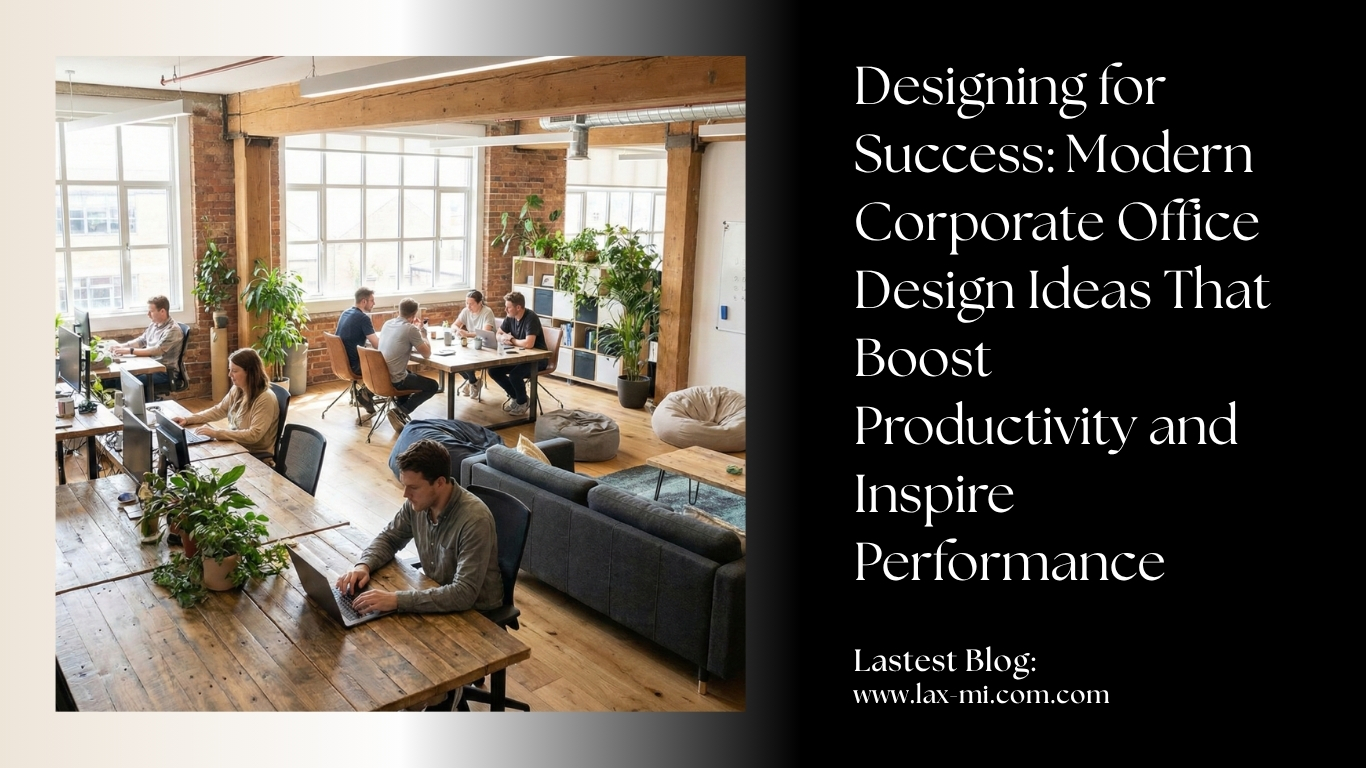
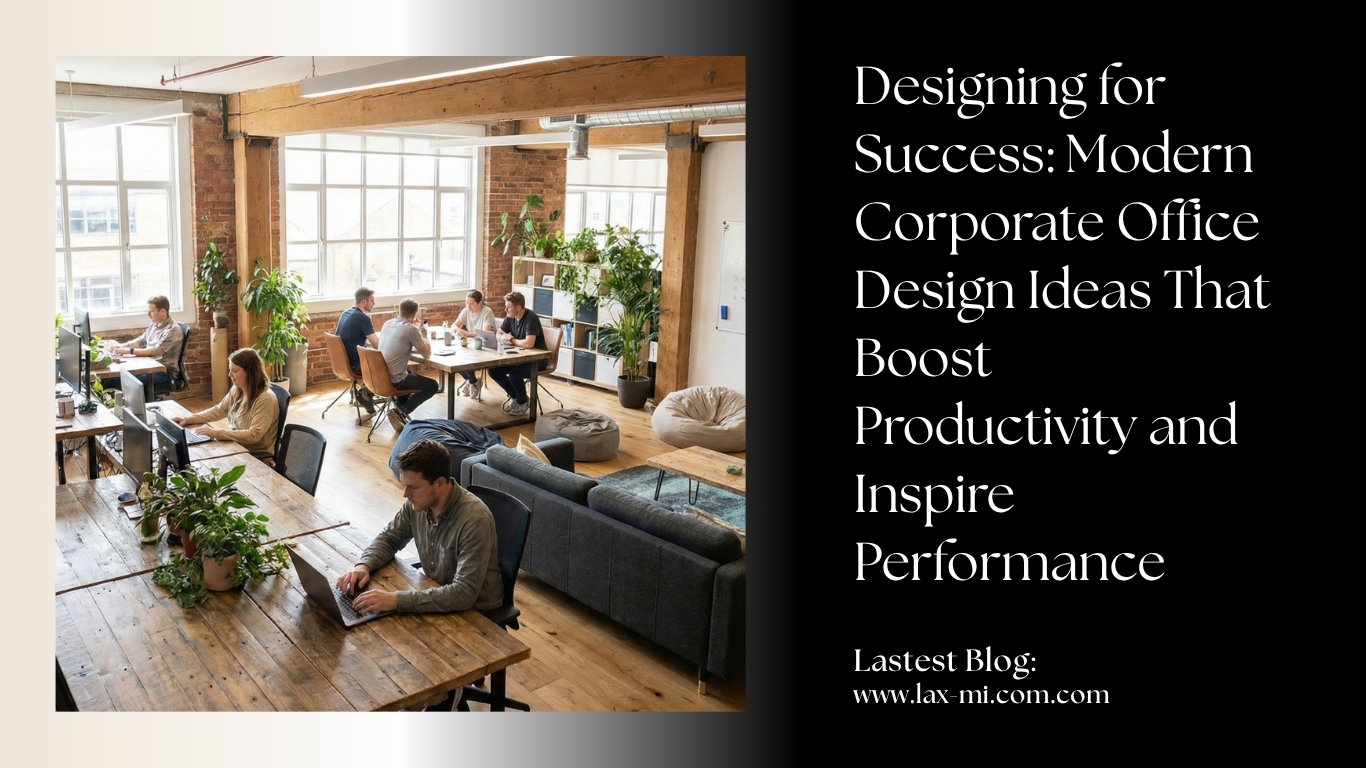
Open office layouts have gained popularity because they promote transparency and communication. However, simply removing walls does not guarantee productivity. A smart approach involves combining openness with purposeful zoning.
Zoning helps divide the workspace into functional areas. For instance, you can create separate zones for collaboration, focused work, and relaxation. This structure ensures that employees can choose the right environment based on their tasks. As a result, distractions reduce, and efficiency improves.
Moreover, using furniture, partitions, or rugs to define zones adds visual interest without closing off spaces. Glass dividers also maintain openness while offering some level of privacy. Therefore, a balanced layout ensures both interaction and concentration.
Ergonomic Furniture for Employee Comfort
Comfort plays a crucial role in productivity. Employees who feel physically supported can work longer without fatigue. This is where ergonomic furniture becomes essential.
Modern offices now invest in adjustable chairs, sit-stand desks, and supportive accessories. These elements help maintain proper posture and reduce health issues. As a result, employees experience fewer distractions caused by discomfort.
Additionally, ergonomic setups encourage movement throughout the day. When employees can switch between sitting and standing, their energy levels remain stable. Consequently, their productivity increases naturally.
Natural Lighting and Ventilation
Lighting has a direct impact on mood and performance. Natural light, in particular, enhances focus and reduces eye strain. Therefore, modern corporate office design prioritizes maximizing daylight.
Large windows, glass walls, and open layouts allow sunlight to flow freely across the workspace. This approach not only improves visibility but also creates a positive atmosphere. Employees tend to feel more energized in well-lit environments.
Similarly, proper ventilation ensures fresh air circulation. Clean air reduces fatigue and improves cognitive function. As a result, employees can maintain higher productivity levels throughout the day.
Biophilic Design for a Healthier Workspace
Biophilic design connects indoor spaces with nature. This concept has gained attention because it improves mental well-being and reduces stress.
Adding plants, green walls, and natural materials can transform an office environment. These elements create a calming effect, which helps employees stay focused. Moreover, greenery improves air quality, contributing to better health.
In addition, incorporating natural textures like wood and stone enhances visual appeal. When employees feel connected to nature, they tend to perform better. Therefore, biophilic design is a powerful productivity tool.
Flexible Workspaces for Changing Needs
Modern work culture demands flexibility. Employees often switch between tasks that require different environments. Therefore, offices must adapt to these changing needs.
Flexible workspaces include movable furniture, modular setups, and multi-purpose areas. These features allow employees to reconfigure spaces based on their requirements. For example, a meeting room can transform into a brainstorming zone.
Furthermore, flexibility supports hybrid work models. Employees who alternate between remote and office work need adaptable environments. As a result, productivity remains consistent regardless of work style.
Technology Integration for Seamless Workflows
Technology plays a vital role in modern corporate offices. Integrating smart solutions can streamline operations and improve efficiency.
High-speed internet, wireless charging stations, and smart meeting rooms enhance daily tasks. Employees can collaborate easily without technical disruptions. This seamless experience saves time and boosts productivity.
Additionally, digital tools like booking systems for meeting rooms help manage resources effectively. When technology supports work processes, employees can focus on their core responsibilities.
Acoustic Design for Reduced Noise Distraction
Noise is one of the biggest productivity killers in open offices. Therefore, managing sound levels is essential for a successful workspace.
Acoustic panels, carpets, and ceiling treatments can absorb excess noise. These elements reduce echo and create a quieter environment. As a result, employees can concentrate better.
Moreover, providing designated quiet zones allows individuals to work without interruptions. On the other hand, collaboration areas can accommodate discussions without affecting others. This balance ensures optimal productivity.
Collaborative Spaces That Encourage Innovation
Collaboration drives innovation. Therefore, modern office design includes dedicated spaces for teamwork.
These areas often feature comfortable seating, writable walls, and interactive displays. Such elements encourage brainstorming and idea sharing. Employees feel more engaged when they can collaborate freely.
In addition, informal meeting spaces create a relaxed atmosphere. This setting often leads to more creative solutions. Consequently, businesses benefit from improved problem-solving capabilities.
Breakout Areas for Relaxation and Recharge
Continuous work without breaks can reduce productivity. Therefore, providing breakout areas is essential.
These spaces allow employees to relax and recharge. Comfortable seating, soft lighting, and recreational elements create a welcoming environment. As a result, employees return to work with renewed energy.
Moreover, short breaks improve focus and prevent burnout. Companies that prioritize employee well-being often see higher productivity levels. Therefore, relaxation areas are not a luxury but a necessity.
Color Psychology in Office Design
Colors influence emotions and behavior. Therefore, choosing the right color palette can enhance productivity.
For example, blue tones promote focus and calmness. Green shades create a refreshing atmosphere, while yellow stimulates creativity. By combining these colors strategically, you can create a balanced environment.
Additionally, neutral colors provide a clean and professional look. They also allow accent colors to stand out. As a result, the workspace feels both inspiring and organized.
Personalization and Employee Ownership
Employees feel more connected to their workspace when they can personalize it. Therefore, modern offices encourage a sense of ownership.
Allowing employees to decorate their desks or choose seating preferences boosts morale. This approach creates a more comfortable and engaging environment.
Moreover, personalization reflects company culture. When employees feel valued, they tend to perform better. Consequently, productivity improves naturally.
Sustainable Design for Long-Term Benefits
Sustainability has become a key consideration in office design. Eco-friendly practices not only benefit the environment but also improve workplace quality.
Using energy-efficient lighting, recycled materials, and sustainable furniture reduces environmental impact. Additionally, these choices often lower operational costs.
Furthermore, sustainable offices create a positive brand image. Employees and clients appreciate environmentally responsible practices. As a result, businesses gain both productivity and reputation benefits.
Smart Storage Solutions for Clutter-Free Spaces
Clutter can distract employees and reduce efficiency. Therefore, smart storage solutions are essential.
Built-in cabinets, modular storage units, and hidden compartments help maintain organization. These features ensure that workspaces remain clean and functional.
Additionally, a clutter-free environment improves focus. Employees can find what they need quickly, which saves time. Consequently, productivity increases.
Wellness-Focused Design Elements
Employee wellness directly impacts productivity. Therefore, modern office design includes wellness-focused features.
Fitness areas, meditation rooms, and healthy snack options promote a balanced lifestyle. These elements support both physical and mental health.
Moreover, wellness initiatives reduce stress and absenteeism. Employees who feel supported tend to perform better. As a result, businesses achieve higher efficiency.
Conclusion
Modern corporate office design goes beyond aesthetics. It plays a crucial role in shaping employee behavior, productivity, and overall business success. By incorporating thoughtful design elements, companies can create environments that inspire performance and innovation.
From ergonomic furniture to flexible layouts, each design choice contributes to a better workplace experience. Additionally, focusing on employee well-being ensures long-term productivity and satisfaction. As work culture continues to evolve, offices must adapt to meet new demands.
Ultimately, investing in modern corporate office design ideas is an investment in people. When employees feel comfortable, motivated, and supported, they deliver their best work. Therefore, creating a productive workspace is one of the smartest decisions any organization can make.