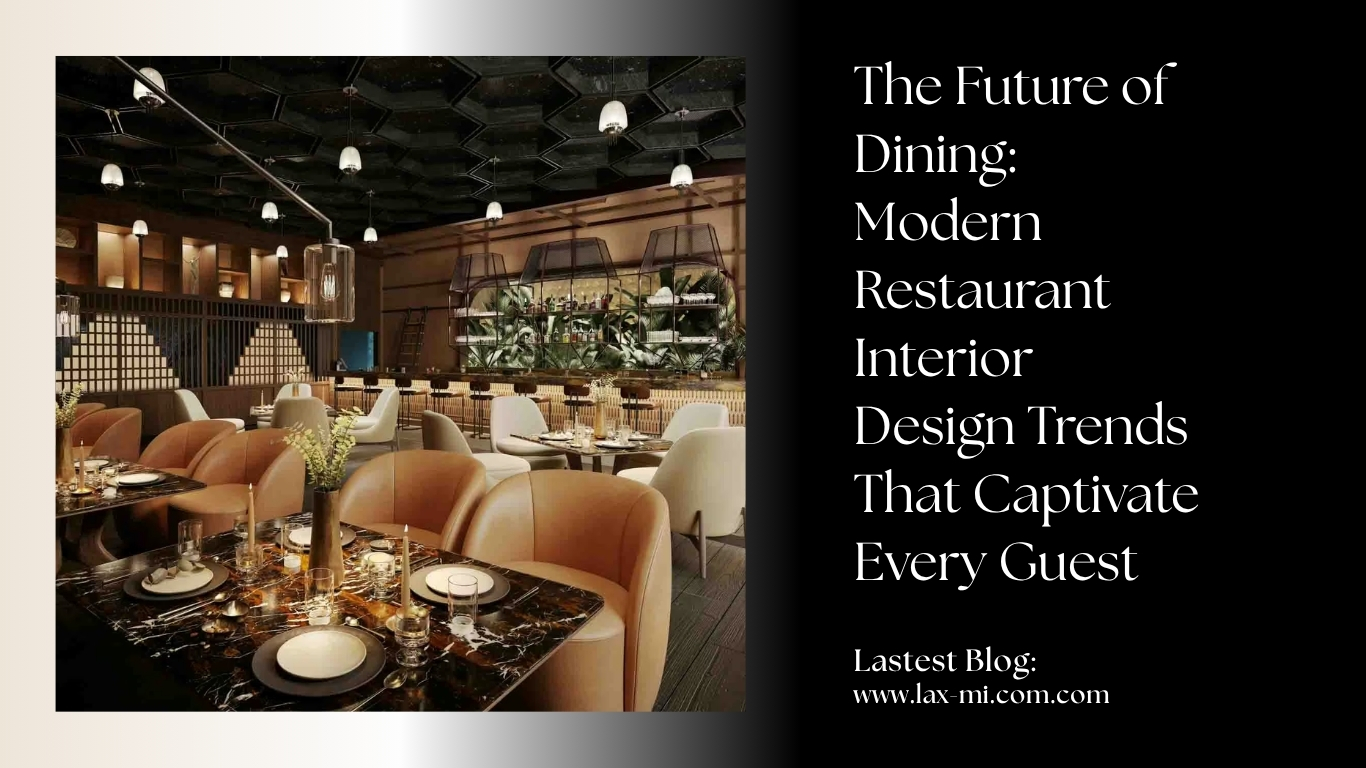
The Future of Dining: Modern Restaurant Interior Design Trends That Captivate Every Guest
Modern restaurant interior design trends have evolved far beyond simple aesthetics. Today, they shape the entire dining experience. Guests no longer visit restaurants only for food. Instead, they seek memorable environments that blend comfort, style, and functionality. As a result, restaurant owners and designers focus on creating immersive spaces that tell a story and leave a lasting impression.
Moreover, changing customer expectations and digital influence have pushed restaurants to innovate. Social media plays a major role in how interiors are perceived. A visually appealing space attracts more visitors and encourages them to share their experiences online. Therefore, modern restaurant interior design trends now combine creativity, technology, and psychology.
In this detailed guide, you will explore the most impactful trends shaping restaurant interiors today. Each section highlights practical ideas that improve ambiance, enhance customer satisfaction, and boost business performance.
The Rise of Experiential Dining Spaces
Modern restaurant interior design trends emphasize experience over mere decoration. Customers want to feel something when they walk into a space. Therefore, designers focus on creating environments that stimulate all senses.
For instance, lighting, textures, and layout work together to build a unique atmosphere. Soft lighting creates intimacy, while open layouts encourage social interaction. At the same time, music and scent subtly influence customer mood.
Additionally, themed interiors have gained popularity. Restaurants now tell stories through design elements. Whether it is a rustic farmhouse or a futuristic dining hub, each theme delivers a distinct identity. As a result, customers remember the place long after their visit.
Sustainable and Eco-Friendly Design Choices
Sustainability has become a core element in modern restaurant interior design trends. Customers appreciate eco-conscious spaces, and businesses benefit from reduced environmental impact.
Designers now prefer materials like reclaimed wood, bamboo, and recycled metal. These materials not only look attractive but also support sustainability goals. Furthermore, indoor plants enhance air quality and create a refreshing ambiance.
Energy-efficient lighting and smart appliances also play a key role. Restaurants use LED lighting and automated systems to reduce energy consumption. Consequently, they lower operational costs while promoting environmental responsibility.
Open Kitchen Concepts for Transparency
Transparency has become essential in the dining industry. Open kitchen designs reflect this shift in modern restaurant interior design trends. Customers enjoy watching chefs prepare their meals.
This concept builds trust and adds entertainment value. It also encourages cleanliness and efficiency among staff. Additionally, open kitchens create a dynamic environment where food preparation becomes part of the experience.
Glass partitions and minimal barriers maintain hygiene while preserving visibility. As a result, restaurants achieve both safety and engagement.
Minimalist Design with Maximum Impact
Minimalism continues to dominate modern restaurant interior design trends. Clean lines, neutral colors, and uncluttered spaces create a sophisticated look.
Instead of excessive decoration, designers focus on essential elements. Statement furniture, artistic lighting, and subtle textures become focal points. This approach enhances visual clarity and improves customer comfort.
Moreover, minimalist interiors are easier to maintain. They also provide flexibility for future design updates. Therefore, many restaurants adopt this style to stay relevant over time.
Smart Technology Integration in Interiors
Technology plays a crucial role in modern restaurant interior design trends. Smart solutions improve both customer experience and operational efficiency.
Digital menus, self-ordering kiosks, and contactless payment systems have become common. These features reduce wait times and enhance convenience. Additionally, interactive screens and projections create engaging environments.
Lighting systems now adapt to different times of the day. For example, bright lighting during lunch shifts to warm tones in the evening. This transition improves ambiance and aligns with customer expectations.
Biophilic Design: Bringing Nature Indoors
Biophilic design has gained significant attention in modern restaurant interior design trends. This concept connects indoor spaces with nature.
Restaurants incorporate natural elements such as plants, water features, and natural light. Large windows allow sunlight to enter, creating a warm and inviting atmosphere. Vertical gardens and green walls add visual appeal.
This approach improves customer well-being and relaxation. Studies show that natural elements reduce stress and enhance mood. Therefore, restaurants benefit from increased customer satisfaction and longer stays.
Flexible Seating and Multi-Functional Layouts
Flexibility has become essential in modern restaurant interior design trends. Restaurants need to accommodate different group sizes and dining preferences.
Modular furniture allows easy rearrangement. For example, small tables can combine to serve larger groups. Lounge seating areas offer comfort for casual dining.
Additionally, restaurants design spaces for multiple purposes. A section may function as a café during the day and transform into a bar at night. This adaptability maximizes space utilization and revenue potential.
Bold Colors and Artistic Statements
While minimalism remains popular, bold design elements are also trending. Modern restaurant interior design trends often include vibrant colors and artistic features.
Accent walls, murals, and unique artworks create strong visual impact. These elements reflect brand identity and attract attention. Moreover, they provide perfect backdrops for social media photos.
Designers carefully balance bold features with neutral tones. This approach ensures that the space remains visually appealing without overwhelming customers.
Lighting as a Design Statement
Lighting plays a central role in modern restaurant interior design trends. It goes beyond functionality and becomes a key design feature.
Pendant lights, chandeliers, and LED strips create dramatic effects. Layered lighting adds depth and dimension to the space. For example, ambient lighting sets the mood, while task lighting ensures visibility.
Adjustable lighting systems allow restaurants to change ambiance throughout the day. Consequently, they can cater to different dining experiences, from casual lunches to intimate dinners.
Local Culture and Authentic Design Elements
Modern restaurant interior design trends often incorporate local culture. This approach creates authenticity and connects with customers.
Designers use regional materials, traditional patterns, and cultural artwork. These elements reflect the restaurant’s identity and heritage. As a result, customers feel a deeper connection to the space.
Additionally, local design reduces transportation costs and supports local artisans. Therefore, it benefits both the business and the community.
Instagrammable Interiors for Social Media Appeal
Social media influence has reshaped modern restaurant interior design trends. Restaurants now design spaces that encourage customers to take photos.
Unique décor elements, neon signs, and creative installations attract attention. Eye-catching corners become popular photo spots. This strategy increases online visibility and brand recognition.
Moreover, user-generated content acts as free marketing. Customers share their experiences, attracting new visitors. Hence, visually appealing interiors play a crucial role in business growth.
Acoustic Design for Comfortable Dining
Noise control is often overlooked, yet it is vital in modern restaurant interior design trends. A noisy environment can negatively affect customer experience.
Designers use acoustic panels, soft furnishings, and strategic layouts to reduce noise. Materials like fabric, wood, and carpets absorb sound effectively.
This approach ensures comfortable conversations and a pleasant atmosphere. Consequently, customers enjoy their meals without distractions.
Fusion of Traditional and Contemporary Styles
Blending traditional and modern elements defines many modern restaurant interior design trends. This fusion creates unique and timeless spaces.
For example, vintage furniture may pair with modern lighting. Traditional textures can complement sleek finishes. This combination adds depth and character.
Furthermore, it allows restaurants to stand out in a competitive market. Customers appreciate spaces that feel both familiar and innovative.
Personalized Branding Through Interior Design
Interior design now plays a major role in branding. Modern restaurant interior design trends focus on creating a strong identity.
Every design element reflects the brand’s personality. Colors, materials, and layout align with the restaurant’s concept. For instance, a luxury restaurant uses premium materials and elegant designs.
Consistency across design elements strengthens brand recognition. As a result, customers easily remember and recommend the restaurant.
Outdoor Dining Extensions and Hybrid Spaces
Outdoor dining has become increasingly popular in modern restaurant interior design trends. Restaurants extend their interiors to outdoor spaces.
Patios, terraces, and rooftop seating offer fresh air and scenic views. These areas provide a different dining experience compared to indoor spaces.
Hybrid designs blur the line between indoors and outdoors. Sliding glass doors and open layouts create seamless transitions. Consequently, restaurants maximize space and enhance customer satisfaction.
Conclusion
Modern restaurant interior design trends continue to evolve with changing customer expectations. Today, successful restaurants focus on creating immersive and meaningful experiences. They combine aesthetics, functionality, and innovation to stand out in a competitive market.
From sustainable materials to smart technology, each trend contributes to a better dining environment. Moreover, personalized design and social media appeal play crucial roles in attracting customers. As the industry grows, adaptability remains key.
Ultimately, investing in modern restaurant interior design trends is not just about style. It is about creating spaces that connect with people, tell stories, and leave lasting impressions. Restaurants that embrace these trends will continue to thrive and redefine the future of dining.