Small Space, Big Impact: Creative Kiosk Design Ideas That Transform Compact Areas into Profitable Experiences
In today’s fast-paced commercial landscape, small spaces are no longer limitations; instead, they have become powerful opportunities. Businesses now look beyond large retail outlets and embrace compact formats that offer flexibility, affordability, and high visibility. Among these formats, kiosks stand out as one of the most efficient and creative solutions. Whether placed in malls, airports, streets, or corporate campuses, kiosks can generate strong customer engagement when designed thoughtfully.
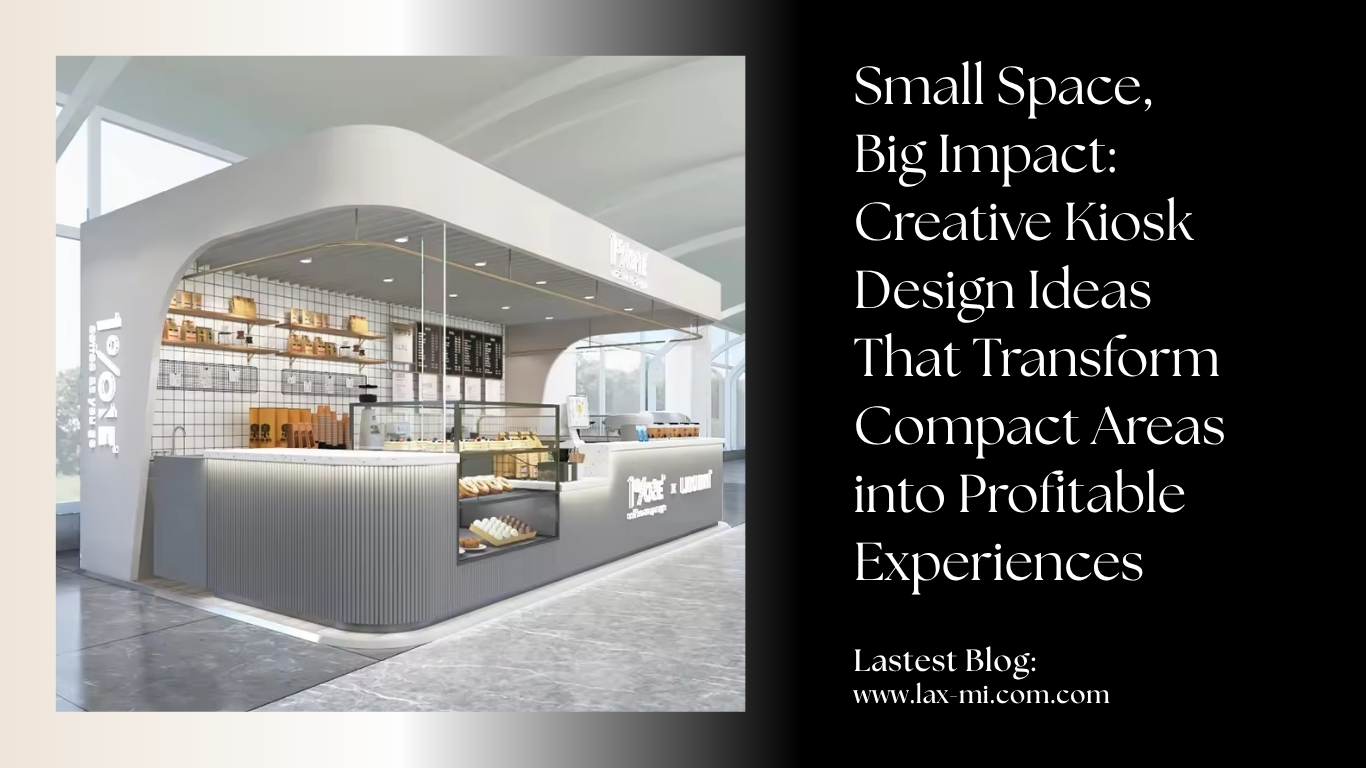
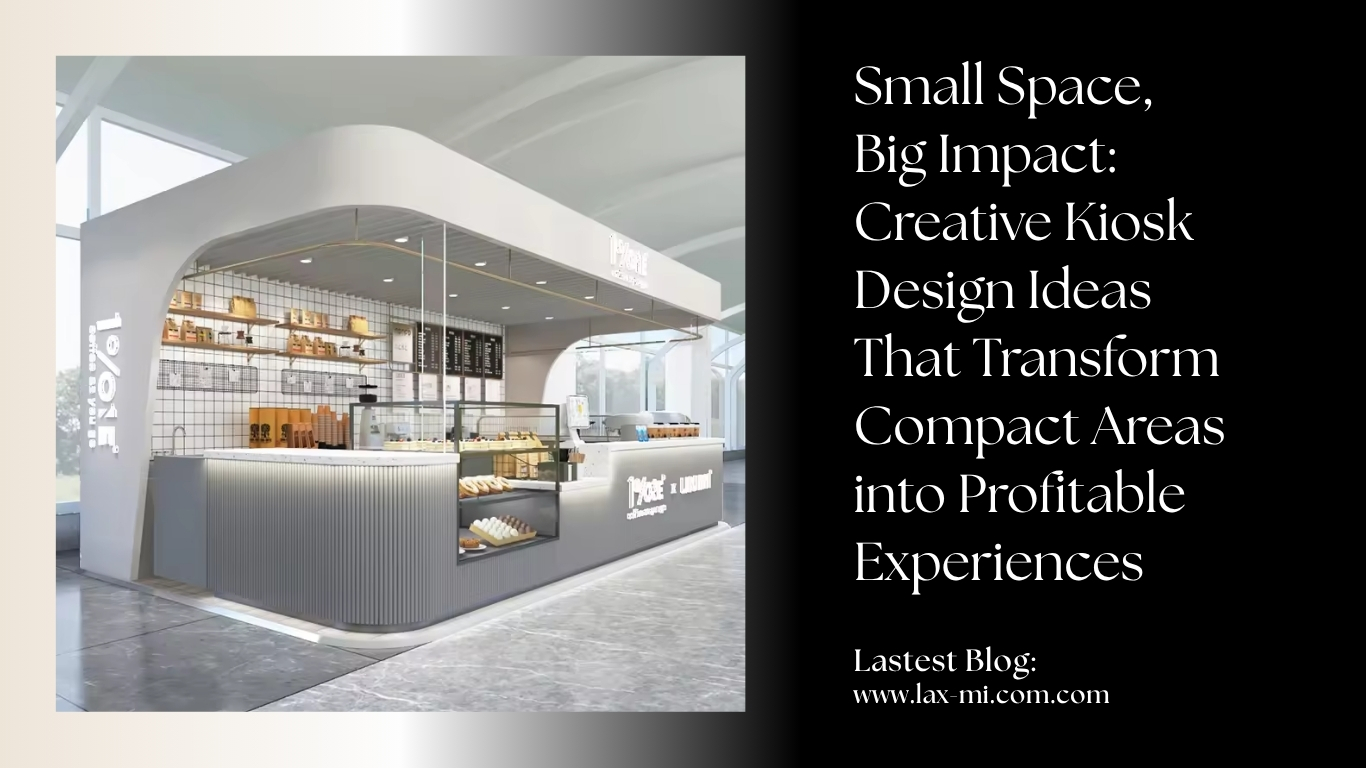
Creative kiosk design ideas for small spaces are not just about fitting everything into a tight area. They focus on maximizing usability, enhancing aesthetics, and delivering memorable customer experiences. Moreover, a well-designed kiosk can significantly boost brand identity while maintaining functionality. With the right combination of layout, materials, lighting, and innovation, even the smallest kiosk can stand out in a crowded environment.
This blog explores in detail how creative kiosk design ideas for small spaces can transform limited areas into attractive, functional, and profitable setups. From layout strategies to material choices, branding techniques, and technology integration, every aspect plays a role in shaping a successful kiosk design.
Understanding the Importance of Smart Kiosk Design in Small Spaces
Small spaces demand intelligent planning. Unlike large retail stores, kiosks must deliver the same value within a compact footprint. Therefore, every inch of space matters. Creative kiosk design ideas for small spaces revolve around optimizing layout while maintaining visual appeal.
First, businesses must identify their primary function. For example, a food kiosk requires space for preparation, storage, and service, while a retail kiosk needs display areas and customer interaction zones. Once the purpose is clear, designers can create a layout that supports smooth operations.
Additionally, a smart design ensures easy customer flow. Customers should feel comfortable approaching, browsing, and purchasing without congestion. Clear entry and exit points improve movement and enhance the overall experience. Moreover, a clutter-free design helps customers focus on the products rather than feeling overwhelmed.
Furthermore, small kiosk designs should prioritize visibility. Since kiosks often compete with surrounding stores, they must attract attention quickly. Bright colors, unique shapes, and strategic lighting can make a kiosk stand out even in a busy environment.
Maximizing Vertical Space for Efficient Utilization
When floor space is limited, vertical space becomes a valuable asset. One of the most effective creative kiosk design ideas for small spaces is to build upwards rather than outwards.
Shelves, hanging displays, and wall-mounted units help store products without occupying valuable floor area. For instance, retail kiosks can use vertical racks to display multiple items neatly. Similarly, food kiosks can install overhead storage for utensils and ingredients.
In addition, vertical branding elements such as signage and digital screens enhance visibility. Tall structures naturally draw attention, making the kiosk more noticeable from a distance. This approach also creates a sense of height, making the space feel larger than it actually is.
Moreover, vertical design allows better organization. Products can be categorized and displayed in layers, making it easier for customers to browse. This structured arrangement improves both functionality and aesthetics.
Choosing Multi-Functional Furniture and Fixtures
Another key strategy in creative kiosk design ideas for small spaces is using multi-functional furniture. Since space is limited, every element should serve more than one purpose.
For example, a counter can act as a display area, storage unit, and service station. Foldable tables and retractable shelves offer flexibility, allowing the kiosk to adapt based on customer flow. Similarly, hidden storage compartments help keep the space tidy and organized.
Additionally, modular furniture provides adaptability. Businesses can rearrange or expand their setup without major changes. This flexibility proves especially useful for seasonal promotions or product launches.
Furthermore, multi-functional designs reduce clutter. When fewer items occupy the space, the kiosk looks clean and professional. This simplicity enhances the customer experience and makes navigation easier.
Creating an Eye-Catching Visual Identity
A kiosk’s design should reflect its brand identity. Creative kiosk design ideas for small spaces focus on strong visual elements that capture attention instantly.
Color plays a crucial role. Bright and contrasting colors can make a kiosk stand out, while subtle tones create a sophisticated look. Businesses should choose colors that align with their brand while ensuring visibility.
Lighting also enhances visual appeal. LED strips, spotlights, and backlit panels highlight products and create a welcoming atmosphere. Proper lighting not only improves aesthetics but also influences customer perception.
Moreover, unique shapes and structures add character. Instead of traditional rectangular designs, businesses can experiment with curved edges, geometric patterns, or themed setups. These creative elements make the kiosk memorable and engaging.
Incorporating Technology for Modern Appeal
Technology integration is essential in modern kiosk design. Creative kiosk design ideas for small spaces often include digital solutions that enhance efficiency and customer experience.
Digital screens can display menus, promotions, or product details. This reduces the need for physical signage and saves space. Touchscreen interfaces allow customers to browse products or place orders quickly.
Additionally, contactless payment systems improve convenience. Customers prefer quick and secure transactions, and digital payment options meet this expectation.
Furthermore, smart lighting and automated systems can optimize operations. For instance, motion-sensor lighting saves energy, while digital inventory tracking improves management.
Designing for Customer Comfort and Accessibility
Even in small spaces, customer comfort should never be compromised. Creative kiosk design ideas for small spaces emphasize accessibility and ease of use.
The counter height should suit both standing and wheelchair users. Clear pathways ensure smooth movement around the kiosk. Additionally, placing popular items at eye level improves accessibility.
Moreover, ergonomic design enhances efficiency. Staff should have easy access to tools and products, reducing unnecessary movement. This improves service speed and customer satisfaction.
Comfortable interaction zones also encourage customers to spend more time at the kiosk. A welcoming environment increases the likelihood of conversions.
Using Sustainable Materials for Modern Design
Sustainability has become a key trend in design. Many businesses now prefer eco-friendly solutions in their kiosk setups.
Creative kiosk design ideas for small spaces often include materials like recycled wood, bamboo, and metal. These materials not only reduce environmental impact but also add a unique aesthetic.
Additionally, energy-efficient lighting and minimal waste designs contribute to sustainability. Businesses can also use reusable fixtures and modular components to reduce long-term costs.
Moreover, sustainable designs appeal to environmentally conscious customers. This approach strengthens brand reputation and builds trust.
Optimizing Storage Without Compromising Space
Storage remains a challenge in small kiosks. However, creative solutions can address this issue effectively.
Hidden storage compartments keep essential items out of sight while maintaining accessibility. Under-counter cabinets and built-in drawers maximize space utilization.
Additionally, rotating shelves and sliding units provide flexibility. These features allow quick access to products without occupying extra space.
Furthermore, organized storage improves efficiency. Staff can locate items بسهولة, reducing delays and enhancing service quality.
Enhancing Brand Story Through Design Elements
Every kiosk should tell a story. Creative kiosk design ideas for small spaces focus on creating a narrative that connects with customers.
Brand elements such as logos, colors, and themes should appear consistently throughout the design. For example, a coffee kiosk can use warm tones and rustic materials to create a cozy atmosphere.
Additionally, storytelling elements like graphics, textures, and signage enhance engagement. These details make the kiosk more relatable and memorable.
Moreover, a strong brand identity builds recognition. Customers are more likely to remember and revisit a kiosk that leaves a lasting impression.
Leveraging Lighting to Transform Small Spaces
Lighting can completely transform a kiosk’s appearance. Creative kiosk design ideas for small spaces use lighting strategically to enhance both function and aesthetics.
Bright lighting improves visibility and attracts customers. Accent lighting highlights specific products, drawing attention to key items.
Additionally, ambient lighting creates a welcoming atmosphere. Soft lighting can make the space feel larger and more comfortable.
Furthermore, dynamic lighting options such as color-changing LEDs add a modern touch. These features make the kiosk stand out in competitive environments.
Designing Flexible Layouts for Changing Needs
Flexibility is essential in kiosk design. Businesses often need to adapt to different situations, such as seasonal demand or product updates.
Creative kiosk design ideas for small spaces include modular layouts that can be easily modified. Movable panels, adjustable shelves, and interchangeable displays provide versatility.
Additionally, flexible designs allow quick rebranding or redesign. This adaptability helps businesses stay relevant in changing markets.
Moreover, a flexible layout supports long-term growth. Businesses can expand or modify their kiosk without starting from scratch.
Creating Instagram-Worthy Kiosk Designs
In the age of social media, visual appeal plays a significant role in marketing. Creative kiosk design ideas for small spaces often focus on creating Instagram-worthy setups.
Unique aesthetics encourage customers to take photos and share them online. This organic promotion increases brand visibility and attracts new customers.
Elements such as neon signs, artistic backdrops, and creative props enhance visual appeal. These features make the kiosk more engaging and interactive.
Moreover, social media-friendly designs create a memorable experience. Customers associate positive emotions with the brand, leading to repeat visits.
Balancing Aesthetics and Functionality
While creativity is important, functionality should never be overlooked. Creative kiosk design ideas for small spaces must strike a balance between aesthetics and practicality.
A visually appealing kiosk should also support efficient operations. Staff should have enough space to work comfortably, and customers should find it easy to interact.
Additionally, durable materials ensure longevity. Since kiosks often experience high foot traffic, they must withstand wear and tear.
Furthermore, a balanced design enhances overall performance. When aesthetics and functionality align, the kiosk becomes both attractive and efficient.
Cost-Effective Design Strategies for Small Kiosks
Budget constraints often influence design decisions. However, creative kiosk design ideas for small spaces can achieve great results without high costs.
Using locally available materials reduces expenses. Simple designs with clean lines often look more elegant than overly complex structures.
Additionally, modular components allow gradual investment. Businesses can start small and expand over time.
Moreover, focusing on key elements such as branding and lighting delivers maximum impact. Strategic spending ensures a high return on investment.
Conclusion
Creative kiosk design ideas for small spaces prove that size does not limit potential. With thoughtful planning, innovative solutions, and a clear vision, even the smallest kiosk can deliver a powerful impact. From maximizing vertical space to incorporating technology, every design element contributes to functionality and aesthetics.
Moreover, a well-designed kiosk enhances customer experience, strengthens brand identity, and drives business growth. By focusing on flexibility, sustainability, and visual appeal, businesses can create kiosks that stand out in competitive environments.
Ultimately, success lies in balancing creativity with practicality. When design meets purpose, small spaces transform into dynamic, engaging, and profitable retail experiences.