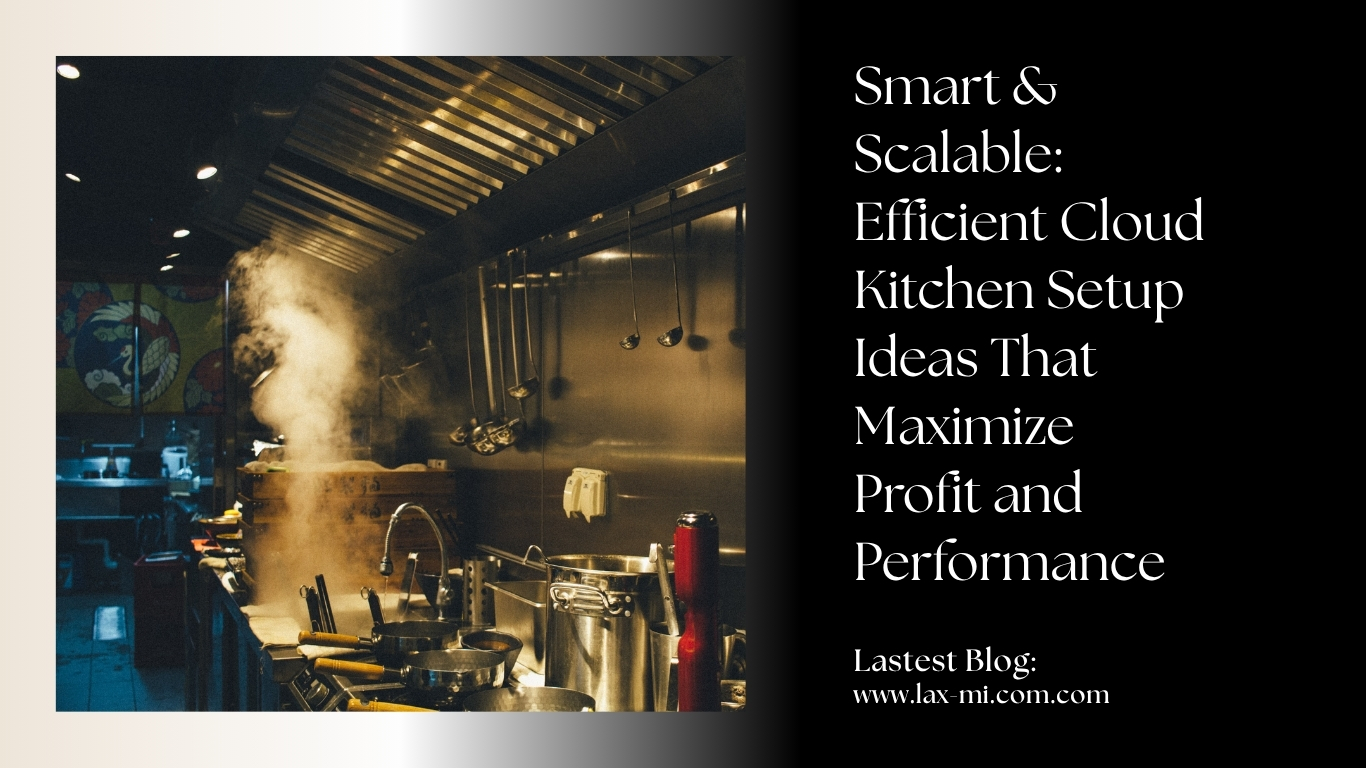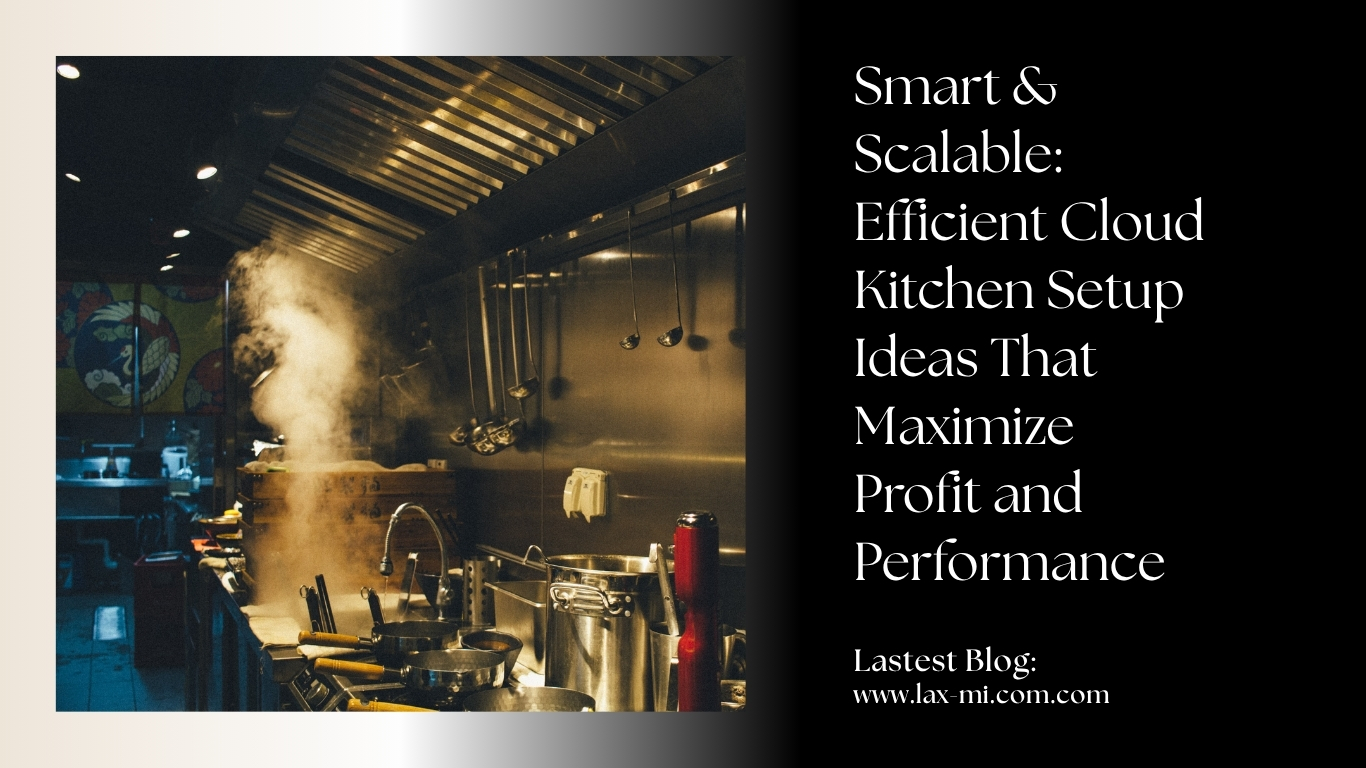
Smart & Scalable: Efficient Cloud Kitchen Setup Ideas That Maximize Profit and Performance
The food industry has evolved rapidly, and cloud kitchens now stand at the center of this transformation. Unlike traditional restaurants, these delivery-only kitchens focus purely on efficiency, speed, and scalability. As customer demand for online food delivery continues to grow, entrepreneurs and restaurateurs are turning toward smarter kitchen models that reduce overhead while boosting output.
Efficient cloud kitchen setup ideas play a crucial role in determining success. A well-planned setup not only improves productivity but also ensures consistent food quality and faster delivery times. Moreover, it helps reduce operational costs, which directly impacts profitability. Whether you are launching a new venture or optimizing an existing kitchen, the right strategies can make a significant difference.
In this blog, you will explore practical, innovative, and highly effective ideas to build a cloud kitchen that performs at its best. Each section focuses on improving efficiency while maintaining flexibility and growth potential.
Choosing the Right Location for Maximum Efficiency
Selecting the right location sets the foundation for your cloud kitchen’s success. Although you do not need a high-end storefront, your kitchen must be strategically placed. Ideally, choose areas with high delivery demand and easy access to multiple neighborhoods.
A central location reduces delivery time, which leads to better customer satisfaction. At the same time, it lowers transportation costs and improves order turnaround. Additionally, proximity to suppliers ensures quicker restocking and fresher ingredients.
Another important factor is rent. Since cloud kitchens operate without dine-in space, you can choose cost-effective industrial or semi-commercial areas. This allows you to allocate more budget toward equipment and marketing.
Ultimately, the right location balances affordability, accessibility, and demand. When these elements align, your operations become smoother and more profitable.
Designing a Workflow-Oriented Kitchen Layout
A well-structured layout directly impacts efficiency. Every movement inside the kitchen should serve a purpose and reduce unnecessary steps. Therefore, planning the workflow becomes essential.
Start by dividing the kitchen into dedicated zones such as preparation, cooking, packaging, and dispatch. Each section should flow logically into the next. For instance, raw materials should move seamlessly from storage to prep and then to cooking.
Moreover, ensure enough space between stations to avoid congestion. A clutter-free environment enhances speed and reduces errors. Clear pathways also improve safety and staff coordination.
When the layout supports workflow, your team can operate faster without compromising quality. As a result, order processing becomes quicker and more consistent.
Investing in Multi-Functional Equipment
Equipment plays a vital role in boosting productivity. Instead of filling your kitchen with too many appliances, focus on multi-functional tools. These machines save space, reduce costs, and improve efficiency.
For example, combination ovens can bake, steam, and roast in one unit. Similarly, food processors can handle chopping, slicing, and grinding. By using versatile equipment, you minimize the need for additional machines.
Additionally, energy-efficient appliances lower electricity consumption. Over time, this leads to significant savings. It also supports sustainable operations, which customers increasingly value.
Choosing the right equipment ensures that your kitchen runs smoothly while keeping expenses under control.
Optimizing Menu for Speed and Scalability
Your menu should reflect efficiency. A complicated menu slows down operations and increases the chances of errors. Therefore, focus on a streamlined and well-curated selection.
Start by identifying dishes that share common ingredients. This reduces inventory complexity and speeds up preparation. At the same time, it minimizes food waste.
Furthermore, prioritize items that are quick to cook and easy to package. Meals that maintain quality during delivery perform better in the long run.
A smart menu not only enhances kitchen efficiency but also improves customer satisfaction. When orders arrive quickly and consistently, customers are more likely to return.
Implementing Smart Inventory Management Systems
Inventory management often determines profitability. Without proper control, food costs can quickly rise. Therefore, adopting a smart system becomes essential.
Digital inventory tools help track stock levels in real time. They also provide alerts when supplies run low. This prevents last-minute shortages and ensures uninterrupted operations.
Moreover, data insights allow you to predict demand and plan purchases accordingly. As a result, you avoid overstocking and reduce waste.
Efficient inventory management keeps your kitchen organized and cost-effective. It also ensures that you always have the right ingredients available.
Leveraging Technology for Seamless Operations
Technology drives modern cloud kitchens. From order management to delivery tracking, digital tools simplify every process.
Integrated software systems can handle multiple delivery platforms in one place. This reduces confusion and prevents missed orders. At the same time, it speeds up processing.
Additionally, analytics tools provide valuable insights into customer preferences. You can use this data to refine your menu and improve performance.
Automation also reduces manual work. For instance, digital billing and kitchen display systems enhance accuracy and efficiency.
By embracing technology, you create a more streamlined and scalable operation.
Hiring and Training the Right Team
Your team plays a critical role in executing your vision. Even with the best setup, untrained staff can slow down operations. Therefore, hiring skilled and adaptable employees is essential.
Focus on individuals who can multitask and work in a fast-paced environment. Since cloud kitchens rely on speed, every team member must understand their role clearly.
Training should emphasize efficiency, hygiene, and consistency. Regular sessions help maintain standards and improve performance.
When your team works in sync, productivity increases naturally. This leads to faster service and better customer experiences.
Streamlining Order Processing and Dispatch
Order processing is the heart of cloud kitchen operations. Any delay in this stage affects delivery time and customer satisfaction.
To improve efficiency, implement a clear system for handling orders. Digital screens can display incoming requests in real time. This helps chefs prioritize tasks effectively.
Additionally, assign a dedicated team for packaging and dispatch. This ensures that cooked food moves quickly to delivery partners.
Proper coordination between kitchen staff and delivery personnel reduces waiting time. As a result, orders reach customers faster and in better condition.
Focusing on Packaging for Efficiency and Quality
Packaging is more than just presentation. It directly impacts delivery efficiency and food quality.
Choose materials that maintain temperature and prevent leakage. This ensures that food arrives fresh and intact. At the same time, lightweight packaging reduces delivery costs.
Standardizing packaging sizes also speeds up the process. Staff can quickly pack orders without confusion.
Moreover, eco-friendly packaging options enhance your brand image. Customers appreciate businesses that prioritize sustainability.
Efficient packaging supports both operational speed and customer satisfaction.
Managing Costs Without Compromising Quality
Cost control remains a top priority for cloud kitchens. However, cutting corners can harm your brand. Therefore, balance becomes crucial.
Start by analyzing your expenses regularly. Identify areas where you can reduce costs without affecting quality. For instance, bulk purchasing often lowers ingredient prices.
Additionally, optimize energy usage by using efficient appliances. Small changes can lead to significant savings over time.
Maintaining quality while managing costs ensures long-term success. It also builds trust among customers.
Building Strong Supplier Relationships
Reliable suppliers ensure consistent operations. Delays or quality issues can disrupt your entire workflow.
Therefore, choose suppliers who offer both quality and reliability. Establish clear communication and maintain long-term partnerships.
Negotiating better rates becomes easier when you build trust. At the same time, dependable suppliers help you maintain consistency in your dishes.
Strong relationships create a stable supply chain, which supports efficient operations.
Enhancing Delivery Efficiency
Delivery speed plays a major role in customer satisfaction. Even the best food loses appeal if it arrives late.
Collaborate with multiple delivery platforms to expand your reach. This also reduces dependency on a single source.
Additionally, use route optimization tools to improve delivery time. Efficient routing ensures faster service and lower costs.
Monitoring delivery performance helps identify areas for improvement. When deliveries run smoothly, your business gains a competitive edge.
Using Data to Improve Performance
Data-driven decisions lead to better results. Every order provides valuable insights into customer behavior.
Analyze trends to understand popular dishes and peak hours. This helps you plan production more effectively.
You can also identify slow-moving items and adjust your menu accordingly. This reduces waste and improves efficiency.
Continuous analysis allows you to adapt and grow. It ensures that your cloud kitchen remains competitive in a dynamic market.
Scaling Your Cloud Kitchen Smartly
Growth requires careful planning. Expanding too quickly can strain your resources, while slow growth may limit opportunities.
Start by optimizing your current operations. Once your system runs smoothly, consider adding new locations or brands.
Virtual brands offer a great way to expand without significant investment. They allow you to target different audiences using the same kitchen.
Scaling strategically ensures sustainable growth. It also helps you maximize profits while maintaining efficiency.
Maintaining Hygiene and Safety Standards
Hygiene remains a non-negotiable aspect of any food business. In cloud kitchens, maintaining cleanliness is even more critical due to high order volumes.
Regular cleaning schedules and proper waste management keep the kitchen environment safe. Staff should follow strict hygiene practices at all times.
Compliance with safety regulations builds customer trust. It also protects your business from potential risks.
A clean and organized kitchen enhances efficiency and ensures consistent quality.
Conclusion
Efficient cloud kitchen setup ideas form the backbone of a successful food delivery business. From choosing the right location to leveraging technology and optimizing workflows, every decision impacts performance. When all elements work together, the result is a streamlined, cost-effective, and scalable operation.
By focusing on smart planning, continuous improvement, and customer satisfaction, you can build a cloud kitchen that stands out in a competitive market. Efficiency not only boosts profitability but also creates a strong foundation for long-term growth.