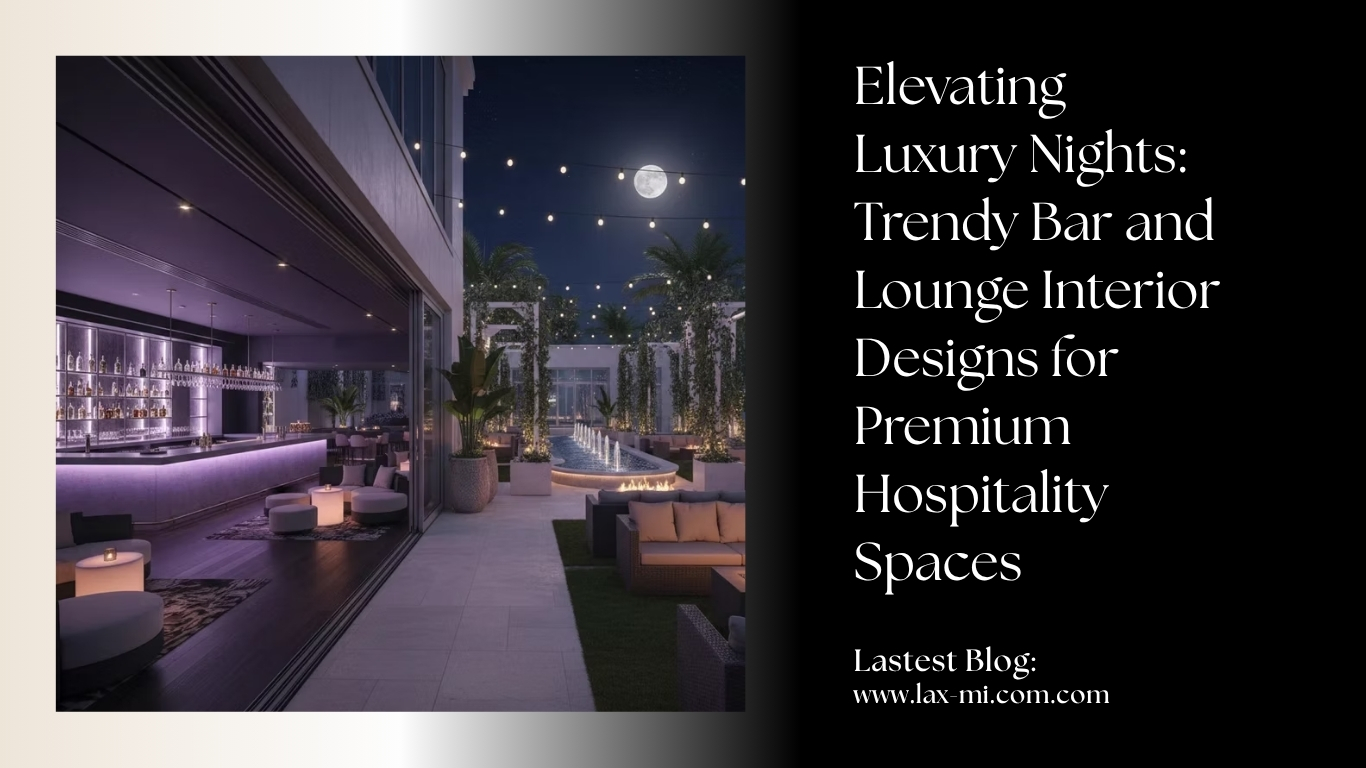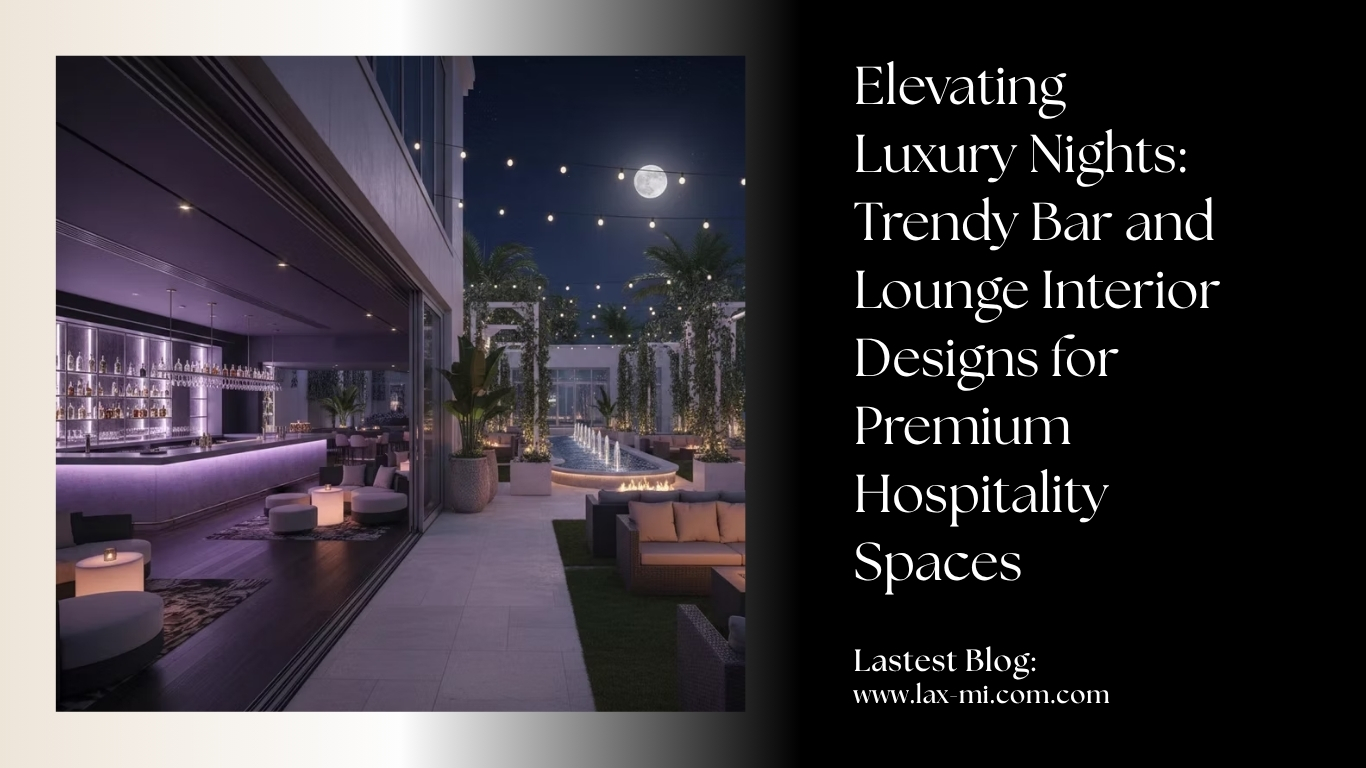
Elevating Luxury Nights: Trendy Bar and Lounge Interior Designs for Premium Hospitality Spaces
The modern hospitality landscape has evolved far beyond serving drinks and music. Today, bar and lounge spaces act as immersive environments where design, ambiance, and experience blend seamlessly. Guests no longer visit a venue only for beverages; instead, they seek a memorable atmosphere that stimulates the senses and encourages social interaction. As a result, interior design has become a critical element in defining the success of premium hospitality spaces.
Trendy bar and lounge interior designs now focus on storytelling, mood creation, and emotional engagement. From dramatic lighting schemes to curated furniture layouts, every detail contributes to a cohesive aesthetic that elevates the guest experience. Moreover, with increasing competition in the hospitality industry, unique and visually appealing interiors help brands stand out and attract a loyal clientele.
In this blog, we will explore the latest trends shaping bar and lounge interior designs for premium hospitality spaces. Each section highlights innovative ideas, practical applications, and design strategies that enhance both functionality and visual appeal. Whether you are designing a luxury bar, a rooftop lounge, or a high-end nightclub, these insights will guide you in creating spaces that captivate and inspire.
Creating a Strong Concept and Design Identity
A successful bar or lounge always begins with a strong concept. This concept acts as the foundation upon which all design decisions are made. Without a clear identity, even the most luxurious materials and furniture may fail to create a cohesive space.
Designers often draw inspiration from themes such as urban sophistication, vintage glamour, tropical luxury, or industrial chic. Once the theme is defined, every element—from color palette to lighting fixtures—must align with it. Consistency plays a crucial role in establishing a memorable brand identity.
Additionally, storytelling enhances the emotional connection between the space and its guests. For example, a speakeasy-style bar may incorporate hidden entrances, dim lighting, and antique décor to evoke nostalgia. On the other hand, a futuristic lounge may use metallic finishes, LED accents, and geometric patterns to create a modern vibe.
Furthermore, branding elements such as logos, signage, and custom artwork should seamlessly integrate into the design. This approach ensures that the space not only looks appealing but also reinforces the brand image.
The Power of Lighting in Setting the Mood
Lighting remains one of the most influential elements in bar and lounge interior design. It shapes the ambiance, highlights key features, and influences guest behavior. Therefore, designers must carefully plan lighting schemes to achieve the desired atmosphere.
Layered lighting works best in premium hospitality spaces. Ambient lighting provides overall illumination, while task lighting ensures functionality at bars and tables. Accent lighting, meanwhile, draws attention to architectural details, artwork, or focal points.
Warm lighting tones create a cozy and intimate environment, making them ideal for lounges and cocktail bars. In contrast, dynamic lighting with color-changing LEDs suits high-energy nightlife venues. Moreover, dimmable lighting systems allow flexibility, enabling venues to transition from relaxed evenings to vibrant late-night settings.
Statement lighting fixtures such as chandeliers, pendant lights, and neon installations also serve as design highlights. These elements not only enhance visual appeal but also become Instagram-worthy features that attract social media attention.
Luxurious Materials and Textures
Premium bar and lounge interiors often rely on high-quality materials to create a sense of luxury and sophistication. Materials such as marble, brass, velvet, and wood bring depth and richness to the design.
Marble countertops and bar tops add elegance and durability. Meanwhile, velvet upholstery introduces comfort and a tactile experience that enhances guest satisfaction. Metallic finishes like gold, copper, and brass provide a touch of glamour and reflect light beautifully.
Texture layering is equally important. Combining smooth surfaces with rough or matte finishes creates visual contrast and prevents the space from feeling monotonous. For instance, pairing polished stone with textured walls or soft fabrics can elevate the overall aesthetic.
Additionally, sustainable materials are gaining popularity. Designers increasingly use reclaimed wood, eco-friendly fabrics, and recycled elements to create stylish yet responsible interiors. This approach not only appeals to environmentally conscious guests but also adds authenticity to the design.
Furniture Design and Layout Optimization
Furniture plays a crucial role in both aesthetics and functionality. In premium hospitality spaces, seating arrangements must balance comfort, style, and efficient space utilization.
Modular furniture allows flexibility, enabling venues to adapt layouts for different occasions. For example, lounge seating can be rearranged for private events or larger gatherings. Similarly, bar stools, sofas, and armchairs should complement the overall design theme.
Ergonomics must not be overlooked. Comfortable seating encourages guests to stay longer, which directly impacts revenue. At the same time, designers should ensure that furniture placement allows smooth circulation for both guests and staff.
Moreover, mixing different seating styles—such as high tables, booth seating, and low lounge areas—creates variety and caters to diverse preferences. This approach enhances the overall guest experience by offering multiple seating options within the same space.
Incorporating Statement Bars as Focal Points
The bar counter often serves as the centerpiece of the entire space. Therefore, it should stand out as a visually striking element that draws attention.
Designers use creative shapes, bold materials, and unique lighting to make the bar a focal point. Curved counters, illuminated surfaces, and textured panels add character and sophistication. Additionally, backlit shelves displaying premium liquor bottles create a visually appealing backdrop.
Open bar designs also enhance interaction between bartenders and guests. This transparency adds energy to the space and creates a dynamic atmosphere. Furthermore, integrating technology such as digital menus or interactive displays can elevate the overall experience.
Color Psychology and Palette Selection
Color plays a significant role in shaping the mood and perception of a space. Therefore, selecting the right color palette is essential in bar and lounge interior design.
Dark tones such as deep blues, blacks, and rich browns create a sense of luxury and intimacy. These colors work well in upscale lounges where a relaxed ambiance is desired. On the other hand, vibrant hues like red, purple, and gold add energy and excitement, making them suitable for nightlife venues.
Neutral tones combined with accent colors offer versatility and timeless appeal. This approach allows designers to update the space easily without major renovations. Additionally, color contrasts can highlight specific areas and create visual interest.
Integrating Technology for Modern Experiences
Technology has become an integral part of contemporary hospitality design. Smart lighting, sound systems, and digital interfaces enhance both functionality and guest experience.
For instance, automated lighting systems can adjust brightness and color based on time or mood. Similarly, advanced sound systems ensure high-quality acoustics, which are essential for music-driven venues.
Interactive elements such as digital walls, projection mapping, and touch-screen menus add a futuristic touch. These features not only entertain guests but also create memorable experiences that set the venue apart.
Acoustic Design for Comfort and Ambiance
Sound management is often overlooked, yet it significantly impacts the overall experience. Poor acoustics can lead to discomfort and reduce guest satisfaction.
Designers use acoustic panels, soft furnishings, and strategic layouts to control noise levels. Materials such as carpets, curtains, and upholstered furniture help absorb sound and reduce echo.
Additionally, zoning different areas with varying sound levels allows guests to choose their preferred environment. For example, quieter sections can cater to conversations, while louder areas accommodate music and dancing.
Biophilic Design and Natural Elements
Incorporating nature into interior design has gained immense popularity. Biophilic design enhances well-being and creates a refreshing atmosphere.
Plants, green walls, and natural materials bring life and vibrancy to bar and lounge spaces. They also improve air quality and provide a calming effect.
Water features, natural lighting, and organic shapes further strengthen the connection with nature. These elements create a balanced environment that feels both luxurious and inviting.
Artistic Elements and Custom Installations
Art plays a vital role in defining the character of a space. Custom installations, murals, and sculptures add uniqueness and visual intrigue.
Local art and cultural influences can create a strong sense of identity. This approach not only supports artists but also makes the space more relatable and authentic.
Moreover, statement art pieces often become focal points and conversation starters. They enhance the overall aesthetic and contribute to the storytelling aspect of the design.
Outdoor and Rooftop Lounge Trends
Outdoor spaces have become increasingly popular in premium hospitality design. Rooftop lounges and open-air bars offer breathtaking views and unique experiences.
Weather-resistant materials, comfortable seating, and ambient lighting are essential for outdoor setups. Additionally, elements such as fire pits, pergolas, and water features enhance the ambiance.
Designers also focus on seamless transitions between indoor and outdoor areas. This integration creates a cohesive experience and maximizes the use of available space.
Sustainability and Eco-Friendly Practices
Sustainability is no longer optional; it has become a necessity in modern design. Eco-friendly practices not only reduce environmental impact but also appeal to conscious consumers.
Energy-efficient lighting, sustainable materials, and waste reduction strategies play a key role. Designers also incorporate energy-saving systems and eco-friendly finishes.
Moreover, sustainable design often leads to long-term cost savings, making it a practical choice for business owners.
Branding Through Interior Design
Interior design serves as a powerful branding tool. Every element should reflect the brand’s identity and values.
From color schemes to furniture styles, consistency reinforces brand recognition. Custom signage, logos, and thematic décor further strengthen the brand image.
Additionally, creating Instagram-worthy spaces encourages guests to share their experiences online. This organic marketing significantly boosts visibility and attracts new customers.
Flexibility and Multi-Functional Spaces
Modern hospitality spaces must adapt to changing needs. Flexible designs allow venues to host various events, from casual gatherings to private parties.
Movable partitions, modular furniture, and adaptable lighting systems enable quick transformations. This versatility maximizes revenue potential and enhances operational efficiency.
Conclusion
Trendy bar and lounge interior designs for premium hospitality spaces go beyond aesthetics. They combine creativity, functionality, and technology to deliver unforgettable experiences. As guest expectations continue to evolve, designers must embrace innovation and stay ahead of emerging trends.
From concept development to material selection, every detail contributes to the overall ambiance. Thoughtful lighting, luxurious textures, and strategic layouts create spaces that are both visually stunning and highly functional. Moreover, integrating sustainability and technology ensures long-term success in a competitive market.
Ultimately, a well-designed bar or lounge becomes more than just a place to relax—it transforms into a destination. By focusing on experience-driven design, hospitality brands can captivate their audience, build strong identities, and create spaces that leave a lasting impression.