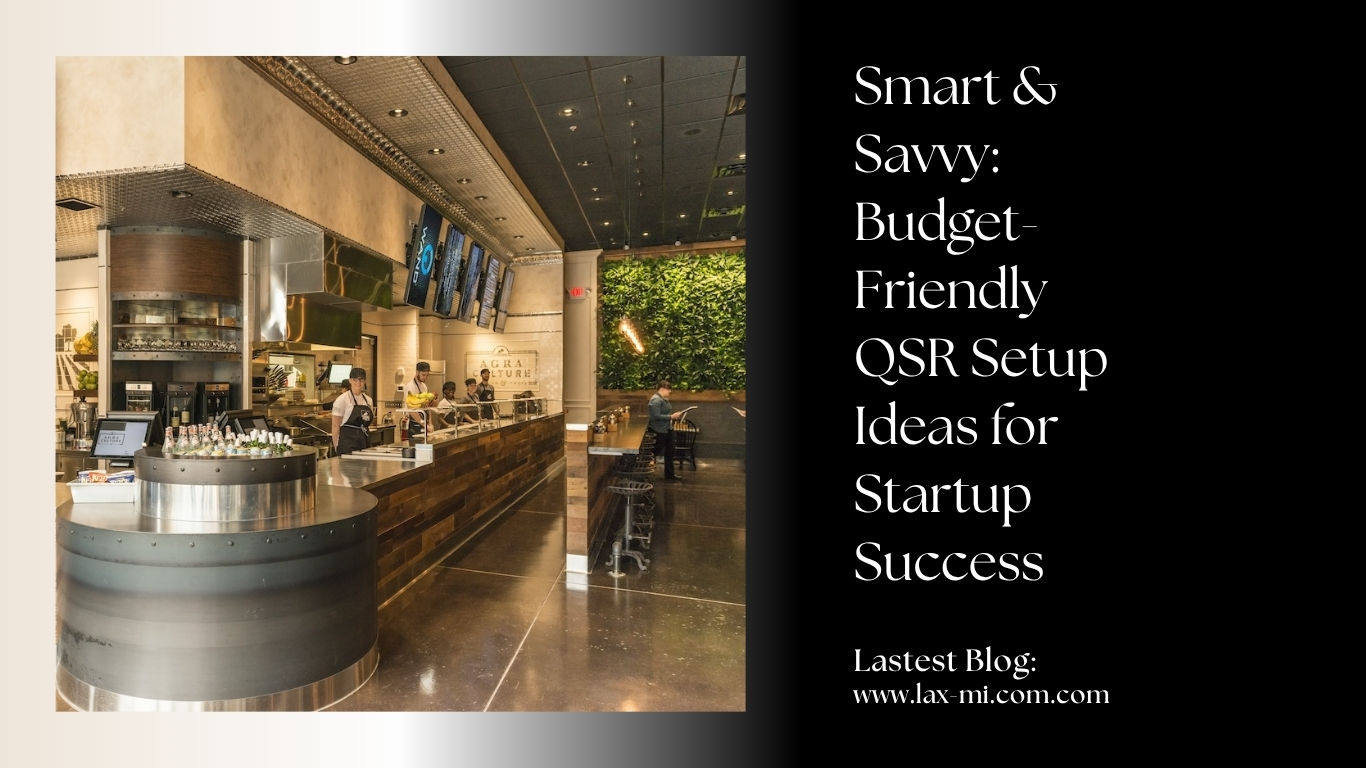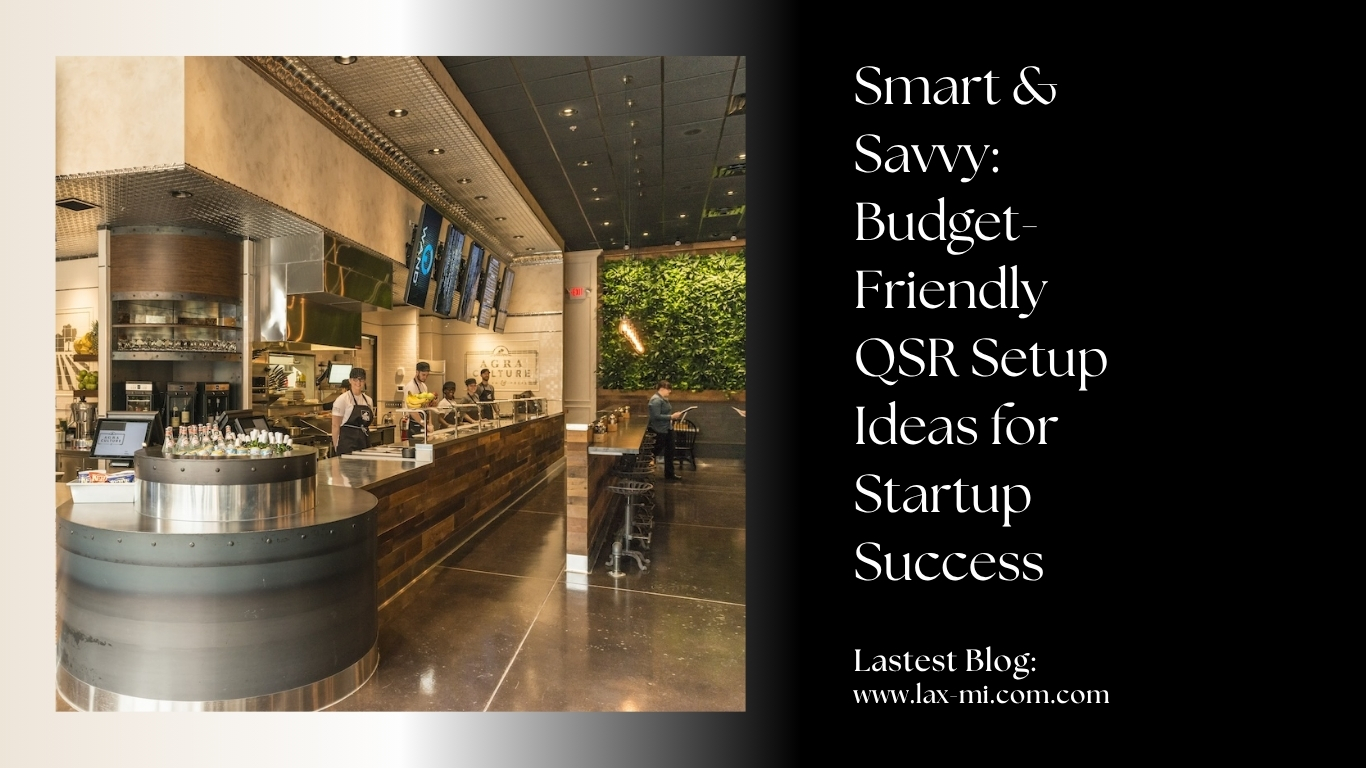
Smart & Savvy: Budget-Friendly QSR Setup Ideas for Startup Success
Starting a quick service restaurant (QSR) can feel exciting and overwhelming at the same time. Many aspiring entrepreneurs dream of launching a vibrant food business, yet they often worry about the cost. However, the truth is simple: you do not need a massive budget to build a successful QSR. Instead, you need a clear strategy, smart decisions, and a focus on efficiency.
Today, the food industry is evolving rapidly. Customers expect fast service, quality food, and a memorable experience. At the same time, startups must control expenses while building a strong brand. Therefore, a budget-friendly QSR setup becomes essential for long-term success.
In this blog, you will explore practical and effective ideas to set up a QSR without overspending. You will also learn how to optimize space, reduce costs, and still create an appealing environment. Each section will guide you step by step, helping you make informed decisions. If you are planning to launch your own QSR, this guide will give you the clarity and confidence you need.
Choosing the Right Location Without Overspending
Selecting the right location plays a crucial role in your QSR’s success. However, many startups make the mistake of choosing expensive high-street locations. While these areas attract footfall, they also increase rent and operational pressure.
Instead, consider emerging neighborhoods or areas near colleges, offices, or residential clusters. These places often offer affordable rent and consistent customer flow. Moreover, cloud kitchen setups can help you avoid high rental costs altogether.
You should also analyze customer behavior before finalizing the location. For instance, office zones work well for lunch-focused menus, while residential areas suit evening and weekend dining. By aligning your location with your target audience, you can maximize revenue without increasing expenses.
Additionally, shared spaces or food courts provide a cost-effective alternative. These setups reduce infrastructure costs and bring in built-in customers. Therefore, you can focus more on food quality and service rather than heavy investments.
Designing a Compact Yet Efficient Layout
A smart layout improves efficiency and reduces unnecessary costs. Instead of investing in large dining areas, focus on compact and functional designs. A smaller space lowers rent, maintenance, and utility expenses.
Start by dividing your space into essential zones such as the kitchen, service counter, and limited seating. Open kitchens work well in QSR setups because they save space and enhance transparency. Customers often appreciate watching their food being prepared.
Moreover, choose modular furniture that you can rearrange easily. Foldable tables, stackable chairs, and wall-mounted counters help you maximize space. This flexibility allows you to adapt your layout as your business grows.
Lighting also plays a key role. Use energy-efficient LED lights to reduce electricity bills. At the same time, create a warm and inviting atmosphere that attracts customers.
Smart Equipment Selection for Cost Efficiency
Kitchen equipment forms a major part of your investment. However, you do not need to buy everything brand new. Instead, focus on essential equipment that supports your menu.
Begin by listing your core requirements. For example, if you run a burger or sandwich outlet, you need grills, fryers, and refrigeration units. Avoid purchasing unnecessary items that you may rarely use.
You can also explore refurbished or second-hand equipment from reliable suppliers. These options often cost significantly less while delivering good performance. Additionally, leasing equipment can reduce your upfront investment.
Energy-efficient appliances offer long-term savings. Although they may cost slightly more initially, they reduce electricity consumption over time. Therefore, they become a smart investment for startups.
Creating a Minimal Yet Attractive Interior
A visually appealing interior does not always require a high budget. In fact, minimalistic designs often work better for QSRs. They create a clean and modern look while keeping costs low.
Start with a simple color palette that reflects your brand identity. Neutral tones combined with bold accents can create a striking effect. You can also use wall graphics or decals instead of expensive decor.
DIY elements add personality to your space. Chalkboard menus, handmade art, and creative signage can make your QSR unique. These elements cost less and create a memorable customer experience.
Furthermore, use durable materials that require low maintenance. This approach reduces long-term expenses and ensures your space remains attractive.
Menu Planning for Maximum Profitability
Your menu directly impacts your costs and profits. Therefore, you should design it carefully. A focused and limited menu works better for budget-friendly QSR setups.
Start by identifying your niche. Whether it is burgers, wraps, or beverages, choose a concept that allows you to streamline operations. A smaller menu reduces ingredient costs and minimizes wastage.
Use ingredients that overlap across multiple dishes. For example, the same sauces or vegetables can be used in different items. This strategy helps you manage inventory efficiently.
Pricing also plays a crucial role. Ensure that your pricing covers costs while remaining attractive to customers. At the same time, include high-margin items that boost profitability.
Leveraging Technology for Cost Savings
Technology can simplify operations and reduce manual effort. Instead of hiring a large staff, you can use digital tools to manage your QSR efficiently.
POS systems help you track sales, manage inventory, and analyze performance. Online ordering platforms increase your reach without requiring additional space. Moreover, QR code menus reduce printing costs and enhance convenience.
You can also use social media platforms for marketing. They offer a cost-effective way to promote your brand and engage with customers. Regular updates, offers, and visuals can attract more footfall.
Automation tools for billing and inventory reduce errors and save time. As a result, you can focus more on improving customer experience.
Hiring Smart and Training Efficiently
Staffing forms a significant part of your operational cost. Therefore, you should hire wisely. Instead of building a large team, focus on multi-skilled employees.
Train your staff to handle multiple roles. For example, a team member can manage both order taking and basic food preparation. This approach reduces the need for additional hires.
Proper training improves efficiency and customer service. Well-trained staff can handle peak hours smoothly, which enhances customer satisfaction.
Moreover, create a positive work environment. Motivated employees perform better and stay longer, which reduces hiring and training costs in the long run.
Sourcing Ingredients Locally
Ingredient sourcing can significantly impact your budget. Therefore, you should build relationships with local suppliers. Local sourcing reduces transportation costs and ensures freshness.
Buying in bulk can also help you save money. However, ensure that you have proper storage to avoid wastage. Seasonal ingredients often cost less and enhance the quality of your menu.
You should also negotiate with suppliers for better rates. Long-term partnerships often lead to discounts and reliable service.
By managing your supply chain efficiently, you can maintain quality while controlling expenses.
Branding on a Budget
Branding creates your identity in the market. However, it does not have to be expensive. Simple and consistent branding can make a strong impact.
Start with a memorable logo and color scheme. Use these elements across your packaging, signage, and online platforms. Consistency helps customers recognize your brand easily.
Affordable packaging options can still look premium. Custom stickers, stamps, or printed labels add a professional touch without high costs.
Storytelling also plays a key role. Share your journey, values, and vision with your audience. This connection builds trust and loyalty.
Marketing Strategies That Do Not Break the Bank
Effective marketing does not always require a large budget. In fact, smart strategies can deliver great results at a low cost.
Social media marketing remains one of the most powerful tools. Regular posts, reels, and customer interactions help you build a strong online presence.
Collaborations with local influencers or food bloggers can increase visibility. You can also offer discounts or combo deals to attract new customers.
Loyalty programs encourage repeat visits. Simple reward systems can build long-term customer relationships.
Additionally, word-of-mouth marketing plays a huge role. Satisfied customers often recommend your QSR to others, which boosts growth organically.
Optimizing Operations for Efficiency
Efficient operations reduce costs and improve service quality. Therefore, you should streamline your processes from the beginning.
Standardize recipes and preparation methods. This consistency ensures quality and reduces wastage. It also helps staff work faster and more efficiently.
Monitor your inventory regularly. Avoid overstocking or understocking, as both can lead to losses. Digital tools can help you track inventory accurately.
Time management also plays a key role. Analyze peak hours and plan your staffing accordingly. This approach ensures smooth operations without unnecessary expenses.
Exploring Cloud Kitchen Models
Cloud kitchens offer a modern and cost-effective approach to QSR setups. They eliminate the need for dine-in space, which significantly reduces costs.
You can focus entirely on delivery and online orders. This model works well in urban areas where customers prefer convenience.
Shared kitchen spaces further reduce expenses. These facilities provide infrastructure and equipment at a fraction of the cost.
However, you must invest in strong online branding and delivery partnerships. This focus ensures visibility and customer reach.
Sustainable Practices to Save Money
Sustainability not only benefits the environment but also reduces costs. Therefore, adopting eco-friendly practices can be a smart move.
Use energy-efficient appliances and lighting to lower electricity bills. Reduce food waste by planning your inventory carefully.
Reusable or biodegradable packaging can enhance your brand image. Customers increasingly prefer eco-conscious businesses.
Water-saving practices and proper waste management also contribute to cost savings. Over time, these small steps create a significant impact.
Scaling Your QSR Gradually
Growth should always be planned carefully. Instead of expanding too quickly, focus on building a strong foundation.
Start with one outlet and refine your operations. Once you achieve consistency, consider expansion. This approach reduces risks and ensures sustainable growth.
You can also explore franchising or partnerships in the future. However, ensure that your systems and processes are well-established before scaling.
Gradual growth allows you to manage finances effectively while maintaining quality.
Financial Planning and Budget Control
Proper financial planning forms the backbone of a successful QSR. Without it, even a good concept can struggle.
Create a detailed budget that includes setup costs, operational expenses, and contingency funds. Track your spending regularly to avoid overshooting your budget.
Set realistic revenue targets and monitor performance. This practice helps you identify areas for improvement.
You should also maintain a reserve fund for unexpected expenses. Financial discipline ensures stability and long-term success.
Conclusion
Building a successful QSR does not require a massive investment. Instead, it demands smart planning, creativity, and efficient execution. By focusing on budget-friendly strategies, you can create a strong foundation for your business.
From choosing the right location to optimizing operations, every decision plays a crucial role. Moreover, leveraging technology, local sourcing, and minimalistic design can significantly reduce costs. At the same time, effective branding and marketing help you attract and retain customers.
As you move forward, remember that consistency and quality matter the most. Start small, learn continuously, and adapt to changing trends. With the right approach, your QSR can grow into a profitable and sustainable venture.
If you stay focused and make informed choices, success will not just be possible—it will be inevitable.