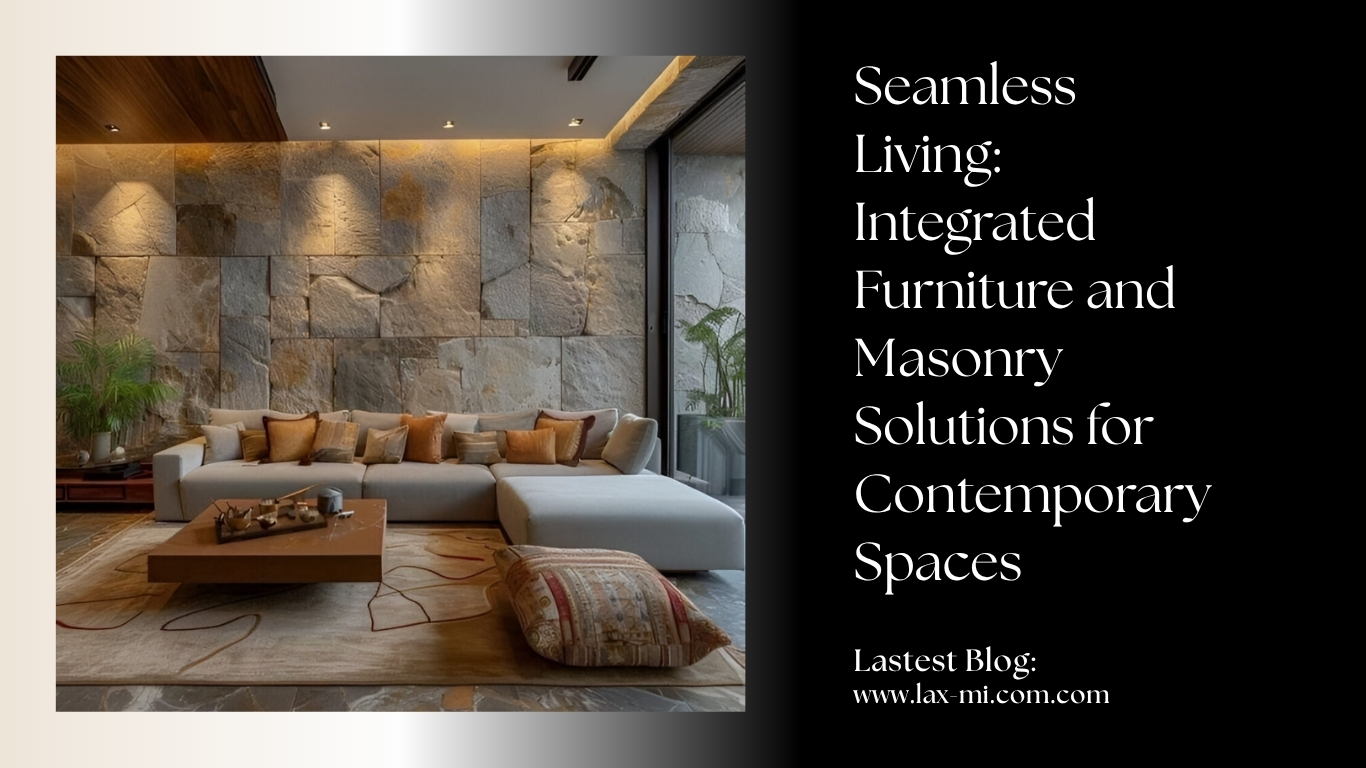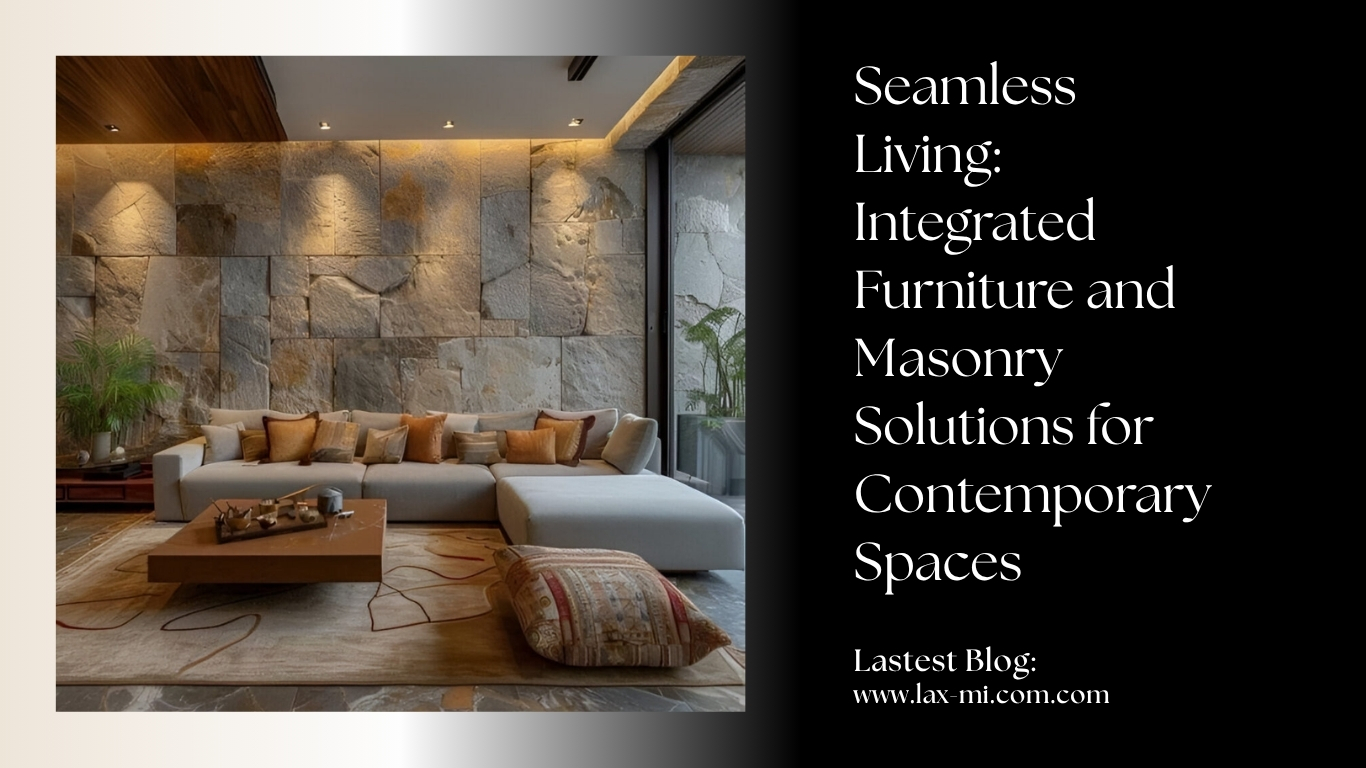
Seamless Living: Integrated Furniture and Masonry Solutions for Contemporary Spaces
Modern living spaces demand more than just aesthetics. They require intelligent design, efficient use of space, and long-lasting functionality. As urban environments grow denser and lifestyles become more dynamic, the concept of integrated furniture and masonry solutions has gained immense popularity. This approach blends structural elements with custom furniture to create spaces that feel cohesive, practical, and visually appealing.
Integrated furniture and masonry solutions for contemporary spaces focus on merging built-in furniture with architectural elements such as walls, partitions, and flooring. As a result, homeowners and designers can achieve a clean, clutter-free environment without compromising on style. Moreover, this design philosophy allows better space optimization, especially in compact homes, offices, and commercial interiors.
In this blog, we will explore how integrated furniture and masonry solutions for contemporary spaces transform interiors. We will also examine their benefits, applications, materials, and design strategies. By the end, you will understand why this approach has become essential in modern interior design.
Understanding Integrated Furniture and Masonry Concepts
Integrated furniture and masonry solutions for contemporary spaces combine fixed structural components with functional furniture. Instead of placing standalone furniture, designers build elements like wardrobes, seating, storage units, and workstations directly into walls or floors.
This method creates a seamless look. It also improves durability because built-in elements remain stable over time. For example, a masonry bench attached to a wall with built-in storage below offers both strength and functionality.
Additionally, integrated solutions reduce visual clutter. Since furniture aligns with the architecture, the space feels more open and organized. This concept works especially well in apartments where space is limited.
Another key advantage lies in customization. Designers can tailor every element to suit the user's lifestyle. Whether it is a compact kitchen, a minimalist bedroom, or a collaborative office, integrated furniture and masonry solutions for contemporary spaces adapt to every need.
The Evolution of Contemporary Interior Design
Interior design has evolved significantly over the years. Earlier, spaces relied heavily on movable furniture. While this offered flexibility, it often resulted in clutter and inefficient layouts.
Today, contemporary design emphasizes minimalism, functionality, and clean lines. As a result, integrated furniture and masonry solutions for contemporary spaces have become a preferred choice. Designers now prioritize built-in wardrobes, modular kitchens, and wall-mounted storage units.
Furthermore, modern lifestyles demand multi-functional spaces. A living room may double as a workspace. A bedroom may include a study area. Integrated solutions make this possible without overcrowding the space.
Technological advancements also support this trend. New materials and construction techniques allow precise execution of built-in designs. Consequently, designers can achieve both durability and elegance.
Benefits of Integrated Furniture and Masonry Solutions
One of the most significant advantages of integrated furniture and masonry solutions for contemporary spaces is space optimization. Built-in elements utilize every inch effectively, leaving no wasted areas.
Another benefit is durability. Masonry structures provide strong support, making furniture long-lasting. Unlike movable pieces, these elements do not shift or wear out easily.
Aesthetic appeal also improves. Since furniture blends with walls and floors, the overall look becomes cohesive. This creates a sophisticated and modern ambiance.
Additionally, maintenance becomes easier. Built-in furniture collects less dust in hidden corners. Cleaning routines become simpler and more efficient.
Cost efficiency is another factor to consider. Although initial investment may seem higher, integrated solutions reduce the need for frequent replacements. Over time, they prove more economical.
Space Optimization in Urban Homes
Urban homes often face space constraints. Therefore, integrated furniture and masonry solutions for contemporary spaces play a crucial role in maximizing functionality.
For instance, a wall-mounted bed with storage cabinets can transform a small bedroom into a multi-purpose area. Similarly, built-in seating with hidden storage can enhance living rooms.
Moreover, kitchens benefit greatly from integrated designs. Masonry counters with built-in cabinets ensure efficient workflow and storage. Every corner becomes useful.
In addition, vertical space utilization becomes easier. Designers can create tall storage units that align with walls. This approach increases storage capacity without occupying floor space.
As a result, even compact homes feel spacious and organized.
Applications in Residential Interiors
Integrated furniture and masonry solutions for contemporary spaces find extensive use in residential interiors. Bedrooms often feature built-in wardrobes, study tables, and headboards.
Living rooms benefit from wall-mounted entertainment units and seating arrangements. These elements create a neat and modern look.
Kitchens rely heavily on masonry and built-in cabinets. This ensures durability and efficient use of space. Moreover, integrated solutions improve workflow and accessibility.
Bathrooms also incorporate built-in storage niches and vanities. These features enhance functionality while maintaining a clean design.
Furthermore, balconies and outdoor areas can include masonry seating and planters. This extends the design philosophy beyond indoor spaces.
Transforming Commercial Spaces
Commercial interiors also benefit from integrated furniture and masonry solutions for contemporary spaces. Offices, retail stores, and hospitality environments require efficient layouts.
In offices, built-in workstations and storage units improve productivity. Employees can work in organized and clutter-free environments.
Retail stores use integrated shelving and display units to maximize product visibility. This enhances customer experience and boosts sales.
Restaurants and cafes often incorporate masonry seating and counters. These elements provide durability and unique aesthetics.
Additionally, hotels use integrated solutions for guest rooms and public areas. This ensures consistency in design and efficient use of space.
Material Selection for Integrated Designs
Choosing the right materials is essential for integrated furniture and masonry solutions for contemporary spaces. Common materials include wood, plywood, MDF, and laminates.
Masonry components often use concrete, bricks, or stone. These materials provide strength and durability. When combined with wood or metal, they create a balanced design.
Finishes also play a vital role. Polished surfaces, textures, and coatings enhance the visual appeal. Designers often use neutral tones for a modern look.
Sustainability is another important factor. Eco-friendly materials and finishes reduce environmental impact. This aligns with contemporary design values.
Design Strategies for Seamless Integration
Effective design strategies ensure the success of integrated furniture and masonry solutions for contemporary spaces. First, designers must understand the user’s needs.
Planning layouts carefully helps in optimizing space. Every element should serve a purpose. Unnecessary features should be avoided.
Consistency in design is crucial. Materials, colors, and finishes should complement each other. This creates a harmonious look.
Lighting also enhances integrated designs. Proper illumination highlights built-in elements and improves functionality.
Additionally, flexibility should not be ignored. While integrated solutions are fixed, designers can incorporate adaptable features like modular components.
Customization and Personalization
One of the strongest advantages of integrated furniture and masonry solutions for contemporary spaces is customization. Designers can tailor every aspect according to individual preferences.
For example, a home office can include built-in desks, shelves, and storage units designed specifically for the user. Similarly, bedrooms can feature personalized wardrobes and study areas.
Customization also allows better organization. Users can allocate space based on their belongings and habits.
Moreover, personalized designs enhance comfort and satisfaction. The space reflects the user’s personality and lifestyle.
Sustainability and Eco-Friendly Practices
Sustainability has become a key consideration in modern design. Integrated furniture and masonry solutions for contemporary spaces support eco-friendly practices.
Built-in elements reduce the need for additional furniture. This minimizes material consumption and waste.
Durable materials ensure longer lifespan. As a result, fewer replacements are required over time.
Designers also use sustainable materials such as recycled wood and low-VOC finishes. These choices reduce environmental impact.
Energy efficiency improves as well. Integrated designs can incorporate natural lighting and ventilation strategies.
Challenges and Considerations
Despite their advantages, integrated furniture and masonry solutions for contemporary spaces come with certain challenges. One major concern is lack of flexibility.
Since built-in elements are fixed, changes become difficult. Therefore, careful planning is essential before implementation.
Initial costs may also be higher. However, long-term benefits often outweigh this drawback.
Another challenge involves skilled craftsmanship. Proper execution requires experienced professionals. Poor workmanship can affect durability and aesthetics.
Maintenance and repairs can also be complex. Accessing certain built-in components may require additional effort.
Future Trends in Integrated Design
The future of integrated furniture and masonry solutions for contemporary spaces looks promising. Technological advancements continue to influence design practices.
Smart homes are becoming more popular. Integrated furniture now includes smart storage, lighting, and automation features.
Minimalist design trends also support this approach. Clean lines and clutter-free spaces remain in demand.
Additionally, sustainable practices will continue to shape design choices. Eco-friendly materials and energy-efficient solutions will gain importance.
Customization will also evolve further. Advanced tools and software allow precise and innovative designs.
Why Integrated Solutions Are the Future
Integrated furniture and masonry solutions for contemporary spaces represent the future of interior design. They offer a perfect blend of functionality, durability, and aesthetics.
As urban living spaces become smaller, efficient design becomes essential. Integrated solutions address this need effectively.
They also enhance the overall experience of a space. Users enjoy organized, comfortable, and visually appealing environments.
Moreover, these solutions align with modern lifestyles. They support multi-functional spaces and personalized designs.
Conclusion
Integrated furniture and masonry solutions for contemporary spaces have transformed the way we design and experience interiors. By combining structural elements with functional furniture, they create spaces that are both practical and elegant.
This approach maximizes space utilization, enhances durability, and improves aesthetics. It also supports sustainability and customization, making it ideal for modern living.
Although challenges exist, careful planning and skilled execution can overcome them. As design trends continue to evolve, integrated solutions will play an even more significant role.
Ultimately, embracing integrated furniture and masonry solutions for contemporary spaces allows you to create environments that reflect innovation, efficiency, and timeless style.