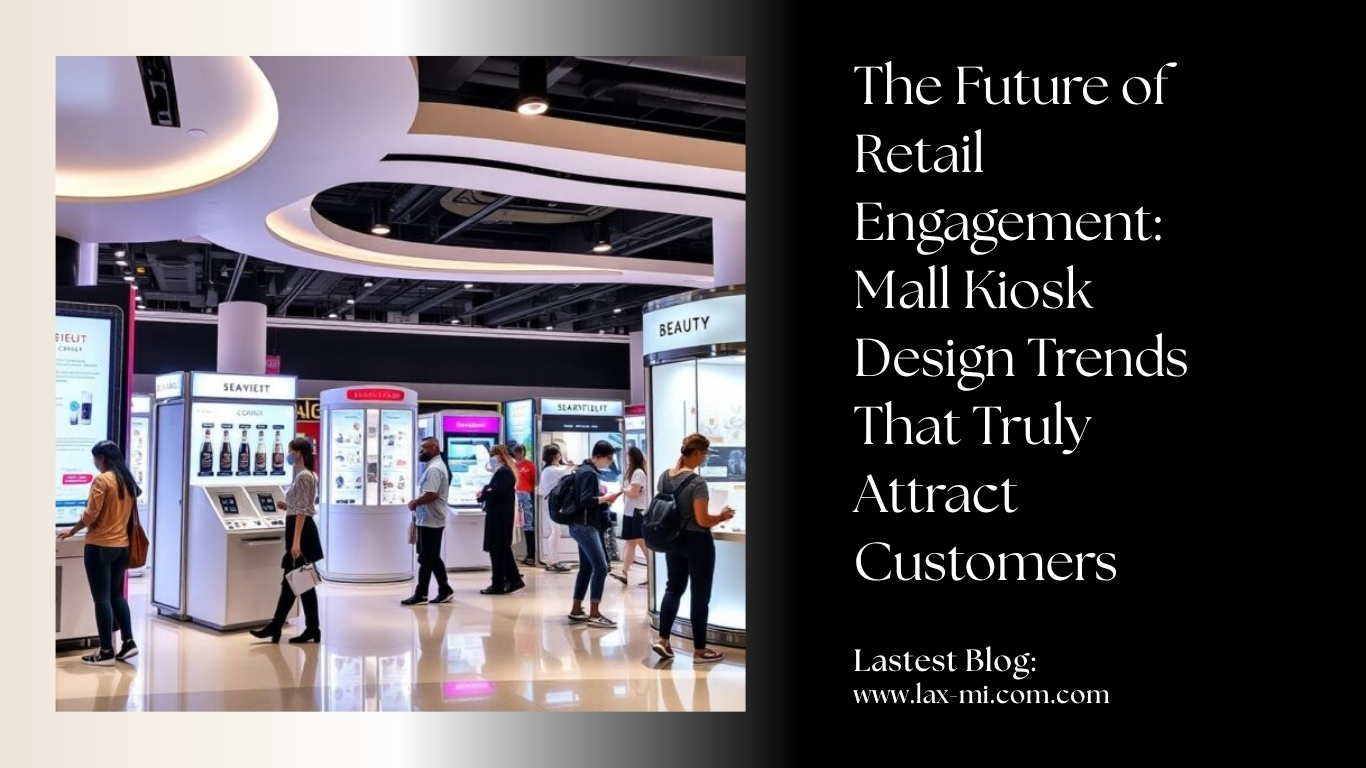
The Future of Retail Engagement: Mall Kiosk Design Trends That Truly Attract Customers
Modern retail has shifted far beyond simple product display. Today, customers expect experiences that feel immersive, convenient, and visually appealing. In this evolving landscape, mall kiosks have become powerful touchpoints that bridge the gap between brands and consumers. These compact retail units now act as mini brand ambassadors, capturing attention in high-footfall areas while delivering memorable interactions.
Mall kiosk design trends that attract customers are no longer limited to aesthetics alone. Instead, they combine creativity, technology, psychology, and functionality. As shopping habits continue to evolve, kiosk designs must adapt quickly to remain relevant and competitive. Retailers who understand this shift can transform small spaces into high-performing sales engines.
In this blog, we will explore the most effective and innovative mall kiosk design trends that attract customers. Each trend focuses on improving visibility, enhancing customer experience, and ultimately driving sales. Let’s dive deep into how thoughtful design choices can make a kiosk stand out in a crowded mall environment.
Eye-Catching Visual Appeal That Stops Foot Traffic
First impressions matter immensely in retail, especially in a mall setting where distractions are everywhere. A kiosk must grab attention within seconds. Therefore, bold colors, unique shapes, and creative layouts play a crucial role in attracting customers.
Designers now use contrasting color palettes to create visual impact. Bright hues combined with neutral tones help highlight products effectively. Additionally, unconventional kiosk shapes, such as circular or asymmetrical structures, naturally draw the eye. These designs break the monotony of traditional square kiosks.
Lighting further enhances visual appeal. Strategic use of LED lighting, backlit panels, and spotlighting can transform a kiosk into a glowing centerpiece. When customers notice a visually appealing kiosk, they feel curious and naturally move closer to explore.
Moreover, minimal clutter ensures better focus. Clean layouts with organized displays make products stand out. This approach not only improves aesthetics but also makes navigation easier for customers.
Smart Use of Space for Maximum Efficiency
Mall kiosks operate within limited space. Therefore, efficient space utilization becomes essential. Every inch must serve a purpose while maintaining a comfortable customer experience.
Vertical space plays a key role here. Designers use shelves, hanging displays, and stacked arrangements to showcase more products without overcrowding the counter. This technique increases visibility while keeping the floor area open.
Hidden storage solutions also enhance efficiency. Drawers and compartments integrated into the kiosk structure help maintain a clean look. Staff can access inventory easily without disrupting the customer experience.
Additionally, modular designs offer flexibility. Retailers can adjust layouts based on seasonal needs or product changes. This adaptability ensures that the kiosk remains functional and visually appealing throughout the year.
Integration of Technology for Interactive Experiences
Technology has become a major driver of modern kiosk design. Customers now expect interactive and engaging experiences rather than passive browsing.
Touchscreen displays allow customers to explore products digitally. These screens can showcase catalogs, offer product information, and even enable self-service ordering. As a result, customers feel more involved in the shopping process.
Digital payment systems also enhance convenience. Contactless payments, QR codes, and mobile wallets reduce waiting time and improve overall efficiency. Faster transactions lead to better customer satisfaction.
Moreover, augmented reality features are gaining popularity. Customers can visualize products virtually, which enhances decision-making. This trend not only attracts attention but also builds trust in the product.
Brand Identity That Speaks Loudly
A kiosk should reflect a brand’s personality clearly. Strong branding helps customers recognize and remember the business easily.
Consistent use of logos, colors, and typography creates a cohesive look. When customers see a well-branded kiosk, they associate it with professionalism and reliability. This perception increases their willingness to engage.
Storytelling elements also strengthen brand identity. Visual graphics, taglines, and themed designs communicate the brand’s message effectively. For example, a natural skincare brand may use earthy tones and organic textures to convey authenticity.
Furthermore, unique design elements can make a kiosk memorable. Custom fixtures, creative signage, and signature design features help differentiate the brand from competitors.
Open and Accessible Layouts That Invite Interaction
Customers feel more comfortable approaching a kiosk that appears open and welcoming. Therefore, modern designs avoid barriers and create easy access from multiple sides.
Open layouts encourage interaction. Customers can walk around the kiosk, view products from different angles, and engage with staff easily. This freedom enhances the overall shopping experience.
Low counters and transparent displays further improve accessibility. Customers can see products clearly without feeling intimidated. This approach creates a friendly and inviting atmosphere.
Additionally, clear pathways around the kiosk ensure smooth movement. Crowded or blocked layouts can discourage customers from approaching. Hence, maintaining openness becomes essential for attracting foot traffic.
Sustainable and Eco-Friendly Design Choices
Sustainability has become a key consideration in retail design. Customers increasingly prefer brands that demonstrate environmental responsibility.
Eco-friendly materials such as recycled wood, bamboo, and metal are widely used in modern kiosks. These materials not only reduce environmental impact but also add a natural aesthetic appeal.
Energy-efficient lighting systems, such as LED lights, help minimize power consumption. This choice benefits both the environment and operational costs.
Moreover, modular and reusable structures support sustainability. Retailers can reuse kiosk components for different setups, reducing waste over time. This approach aligns with modern consumer values and enhances brand reputation.
Personalized Customer Experiences Through Design
Personalization has become a powerful tool in attracting customers. Kiosk designs now focus on creating tailored experiences that resonate with individual preferences.
Interactive screens can recommend products based on customer choices. This feature makes shopping more relevant and engaging. Customers feel valued when they receive personalized suggestions.
Customizable product displays also enhance personalization. For example, kiosks may allow customers to mix and match items or create their own combinations. This hands-on experience increases satisfaction.
Additionally, friendly staff interaction plays a role. Design elements that support smooth communication, such as accessible counters and clear product displays, make conversations easier and more effective.
Lighting Strategies That Enhance Product Visibility
Lighting does more than illuminate a kiosk. It shapes how customers perceive products and influences their buying decisions.
Warm lighting creates a cozy and inviting atmosphere. It works well for products like jewelry, cosmetics, and accessories. On the other hand, cool lighting enhances clarity and suits tech or modern products.
Accent lighting highlights key items. Spotlights can draw attention to featured products or promotions. This technique guides customers toward high-priority items.
Backlit displays add depth and sophistication. They make products appear premium and visually appealing. As a result, customers feel more inclined to explore and purchase.
Minimalist Design That Reduces Visual Noise
Simplicity often leads to stronger impact. Minimalist kiosk designs focus on clean lines, neutral colors, and uncluttered layouts.
This approach helps customers focus on products without distractions. Clear organization improves readability and navigation. Customers can quickly find what they need, which enhances their overall experience.
Minimalist designs also convey elegance and professionalism. They create a premium feel, even within a small space. This perception can influence customer trust and purchasing behavior.
Furthermore, fewer elements make maintenance easier. Staff can keep the kiosk clean and organized with minimal effort, ensuring a consistently appealing appearance.
Flexible and Modular Structures for Adaptability
Retail trends change quickly. Therefore, kiosk designs must adapt to new products, seasons, and promotions.
Modular structures provide this flexibility. Retailers can rearrange components, add new sections, or modify displays as needed. This adaptability keeps the kiosk fresh and relevant.
Portable elements also allow easy relocation within the mall. Retailers can position the kiosk in high-traffic areas during peak seasons. This strategic placement increases visibility and sales.
Additionally, flexible designs support multi-purpose use. A kiosk can switch between different product categories without requiring a complete redesign.
Digital Signage That Drives Engagement
Digital signage has transformed how kiosks communicate with customers. Dynamic content attracts attention more effectively than static displays.
Screens can showcase promotions, product videos, and customer testimonials. This content keeps the kiosk lively and engaging. Customers are more likely to stop and watch moving visuals.
Real-time updates also improve marketing effectiveness. Retailers can change offers instantly based on demand or trends. This flexibility enhances responsiveness and competitiveness.
Moreover, interactive signage encourages participation. Customers can explore content, play games, or access exclusive offers. This engagement creates memorable experiences.
Ergonomic Design for Staff Efficiency
While customer experience remains the priority, staff comfort also plays a vital role in kiosk performance.
Ergonomic designs ensure that staff can work efficiently without strain. Proper counter height, accessible storage, and organized layouts improve workflow.
Efficient design reduces fatigue. Staff can serve customers quickly and maintain a positive attitude throughout the day. This energy directly impacts customer satisfaction.
Additionally, well-designed kiosks support smooth operations. Clear organization helps staff locate products easily, reducing delays and improving service quality.
Strategic Placement Within the Mall Environment
Even the best-designed kiosk needs the right location to succeed. Placement significantly influences visibility and customer engagement.
High-traffic areas, such as entrances, escalators, and food courts, offer maximum exposure. Customers naturally pass through these zones, increasing the chances of interaction.
Kiosks positioned near complementary stores can benefit from shared audiences. For example, a beauty kiosk near a fashion store attracts relevant customers.
Moreover, visibility from multiple angles enhances reach. A well-placed kiosk can capture attention from different directions, maximizing its impact.
Emotional Design That Connects with Customers
Beyond functionality, successful kiosk designs create emotional connections. Customers remember experiences that make them feel something.
Color psychology plays a key role here. Warm colors evoke excitement, while cool tones create calmness. Choosing the right palette influences customer mood and behavior.
Textures and materials also contribute to emotional appeal. Smooth finishes, natural elements, and premium materials enhance sensory experience.
Additionally, storytelling through design builds connection. A kiosk that reflects a brand’s journey or values creates a deeper bond with customers. This emotional engagement often leads to loyalty and repeat visits.
Conclusion
Mall kiosk design trends that attract customers continue to evolve as retail landscapes change. Today, successful kiosks combine visual appeal, smart functionality, and meaningful experiences. They go beyond selling products and focus on engaging customers in memorable ways.
From bold aesthetics and interactive technology to sustainable materials and personalized experiences, each design element plays a crucial role. When these elements work together, they create a powerful retail presence that stands out in crowded mall environments.
Retailers who embrace these trends can transform small kiosk spaces into dynamic brand hubs. By focusing on customer needs, maintaining flexibility, and delivering engaging experiences, they can drive both attention and sales effectively.
Ultimately, the future of mall kiosks lies in innovation and adaptability. Those who stay ahead of design trends will continue to attract customers and thrive in the competitive retail landscape.