Smart Living Starts Here: Modern Kitchen and Pantry Design Ideas for Functional, Stylish Spaces
A well-designed kitchen no longer serves only as a place to cook. Today, it acts as the heart of the home, where functionality meets style and daily routines become more efficient. At the same time, the pantry has evolved from a simple storage corner into an essential extension of the kitchen. When both spaces work together seamlessly, they create a highly practical and visually appealing environment.
Modern homeowners now prioritize organization, accessibility, and aesthetics. As a result, kitchen and pantry designs focus on maximizing space while maintaining a clean and clutter-free look. Moreover, the integration of smart storage, ergonomic layouts, and contemporary materials helps improve both usability and comfort.
In this blog, you will explore modern kitchen and pantry design ideas for functional spaces. Each section highlights practical concepts, innovative layouts, and stylish solutions that enhance everyday living. Whether you plan a renovation or build from scratch, these ideas will guide you toward creating a space that balances efficiency and elegance.
Open Concept Layouts for Seamless Functionality
Open concept kitchens have gained immense popularity, and for good reason. They remove visual barriers and create a smooth flow between the kitchen, dining, and living areas. As a result, the space feels larger, brighter, and more inviting.
When designing an open kitchen, focus on a layout that promotes movement. For instance, placing the sink, stove, and refrigerator in a triangular arrangement ensures efficiency. This concept, often referred to as the “work triangle,” minimizes unnecessary steps during cooking.
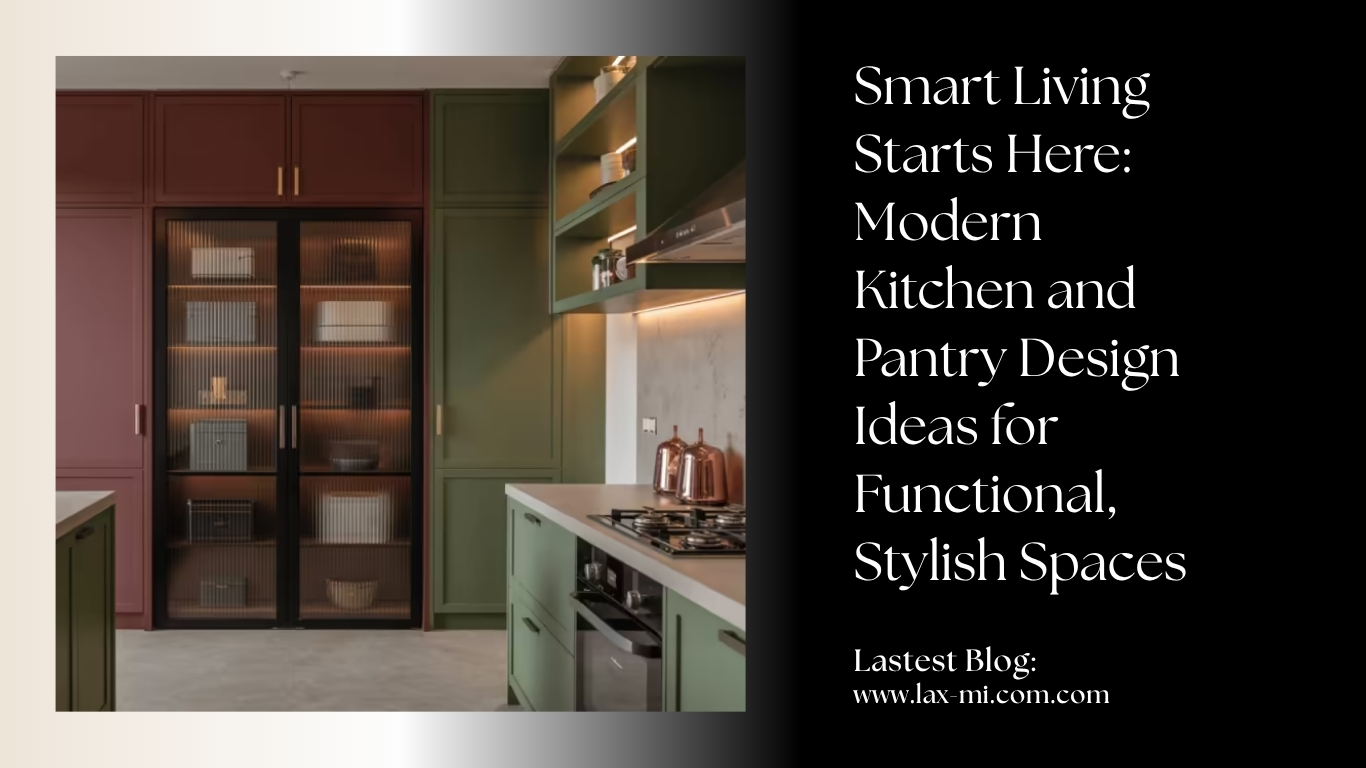
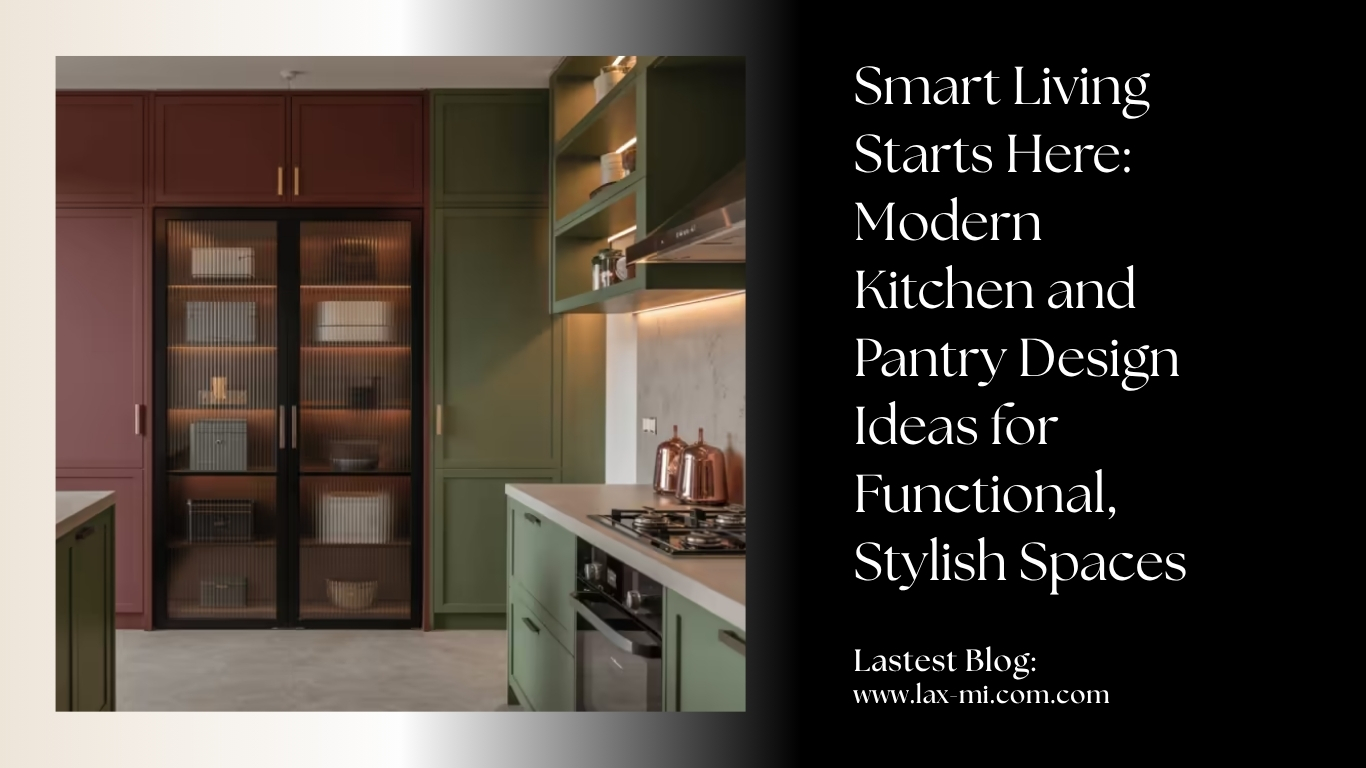
In addition, integrating the pantry within the open layout improves accessibility. A walk-in pantry with sliding or glass doors maintains openness while keeping storage organized. Furthermore, you can use subtle partitions, such as kitchen islands or shelving units, to define zones without blocking visibility.
Lighting also plays a crucial role in open layouts. Layered lighting, including ambient, task, and accent lights, enhances both functionality and mood. Ultimately, an open kitchen design creates a connected space that supports modern lifestyles.
Smart Storage Solutions for Clutter-Free Spaces
Clutter can quickly disrupt even the most beautiful kitchen. Therefore, smart storage solutions become essential in modern kitchen and pantry design ideas for functional spaces.
To begin with, consider pull-out cabinets and deep drawers. These features allow easy access to items stored at the back. Similarly, vertical storage units make use of wall height, ensuring no space goes to waste. Tall cabinets, for example, can store dry goods, utensils, and small appliances efficiently.
In the pantry, adjustable shelving provides flexibility. You can customize shelf heights to accommodate different items, from large containers to small jars. Additionally, labeled storage bins improve organization and make it easier to locate ingredients.
Corner spaces often remain underutilized. However, installing rotating shelves or lazy Susans transforms these areas into functional storage zones. Moreover, hidden compartments and built-in organizers maintain a sleek and tidy appearance.
By implementing smart storage strategies, you can keep your kitchen and pantry neat, organized, and highly efficient.
Minimalist Design for a Clean and Modern Look
Minimalism continues to dominate modern kitchen design trends. It emphasizes simplicity, clean lines, and a clutter-free environment. As a result, kitchens appear more spacious and calming.
A minimalist kitchen typically features flat-panel cabinets, neutral color palettes, and integrated appliances. White, beige, grey, and soft pastel tones create a soothing atmosphere. Additionally, handle-less cabinets enhance the sleek appearance.
Incorporating a minimalist pantry follows the same principles. Keep shelves organized and avoid overcrowding. Use uniform containers to maintain visual consistency. Furthermore, concealed storage solutions help hide unnecessary items.
Lighting complements minimalist design effectively. Soft, warm lighting enhances the ambiance without overwhelming the space. Meanwhile, natural light adds freshness and brightness.
Overall, a minimalist approach ensures your kitchen and pantry remain functional while maintaining a refined aesthetic.
Functional Kitchen Islands for Multi-Purpose Use
Kitchen islands have become a central feature in modern kitchens. They serve multiple purposes, including food preparation, dining, and storage.
When designing a kitchen island, consider its size and placement carefully. It should allow enough space for movement around it. At the same time, it should provide sufficient workspace for daily tasks.
Incorporating storage within the island enhances functionality. Drawers, shelves, and cabinets can store cookware, utensils, and pantry items. Additionally, installing electrical outlets enables the use of appliances directly on the island.
Some islands also include seating arrangements. This setup creates a casual dining area, perfect for quick meals or social interactions. Furthermore, adding pendant lights above the island improves visibility and adds a stylish touch.
By combining practicality and design, kitchen islands elevate the overall efficiency of the space.
Walk-In Pantries for Maximum Storage Efficiency
A walk-in pantry offers unmatched storage capacity and organization. It acts as a dedicated space for storing groceries, kitchen tools, and bulk items.
When planning a walk-in pantry, focus on layout and accessibility. U-shaped or L-shaped shelving provides ample storage while allowing easy movement. Additionally, placing frequently used items at eye level ensures convenience.
Proper lighting enhances visibility within the pantry. LED strip lights or ceiling fixtures illuminate every corner effectively. Moreover, transparent containers help identify contents quickly.
Ventilation is another important factor. A well-ventilated pantry prevents moisture buildup and keeps food items fresh. Including small windows or ventilation systems can improve air circulation.
A well-organized walk-in pantry not only increases storage but also enhances the overall functionality of your kitchen.
Modular Kitchen Designs for Flexibility
Modular kitchens offer flexibility and customization. They consist of pre-designed units that can be arranged according to your space and requirements.
These kitchens allow easy installation and future modifications. For example, you can add or remove cabinets without disrupting the entire setup. This adaptability makes modular kitchens a practical choice for modern homes.
Incorporating a modular pantry further enhances efficiency. You can design separate sections for different categories, such as grains, spices, and snacks. Additionally, modular racks and pull-out systems improve accessibility.
Materials also play a significant role in modular designs. Durable materials like plywood, stainless steel, and laminates ensure longevity. At the same time, they contribute to a polished and modern appearance.
Overall, modular kitchens provide a perfect blend of convenience, style, and functionality.
Sustainable Materials for Eco-Friendly Designs
Sustainability has become a key consideration in modern kitchen design. Using eco-friendly materials not only benefits the environment but also improves indoor air quality.
Opt for materials like bamboo, reclaimed wood, and recycled metal. These materials reduce environmental impact while adding unique textures to the space. Additionally, low-VOC paints and finishes minimize harmful emissions.
Energy-efficient appliances further enhance sustainability. They consume less electricity and reduce utility costs. Moreover, LED lighting provides efficient illumination with minimal energy usage.
In the pantry, using glass containers instead of plastic promotes eco-friendly storage. Reusable bags and containers also reduce waste significantly.
By incorporating sustainable practices, you can create a kitchen that supports both functionality and environmental responsibility.
Integrated Appliances for a Seamless Look
Integrated appliances contribute to a clean and cohesive kitchen design. They blend seamlessly with cabinetry, creating a uniform appearance.
Built-in ovens, refrigerators, and dishwashers maintain visual consistency. At the same time, they save space and improve accessibility. Concealed appliances also enhance the minimalist aesthetic.
In addition, smart appliances offer advanced features such as remote control and energy monitoring. These innovations simplify daily tasks and improve efficiency.
For the pantry, integrating small appliances within cabinets keeps the space organized. For example, dedicated sections for coffee makers or microwaves prevent clutter on countertops.
Ultimately, integrated appliances enhance both functionality and visual appeal.
Lighting Strategies for Enhanced Functionality
Lighting plays a vital role in kitchen and pantry design. It affects both usability and ambiance.
Task lighting ensures proper visibility for cooking and preparation. Under-cabinet lights illuminate countertops effectively. Meanwhile, ambient lighting provides overall brightness.
Accent lighting highlights specific features, such as shelves or decorative elements. It adds depth and character to the space. Additionally, pendant lights above islands create a focal point.
In the pantry, bright and even lighting improves visibility. Motion-sensor lights offer convenience and energy efficiency.
A well-planned lighting strategy enhances both functionality and aesthetics.
Color Schemes that Elevate Modern Kitchens
Color choices significantly influence the overall look of a kitchen. Modern designs often use neutral tones with subtle contrasts.
White and grey remain popular choices for a clean and timeless appearance. However, adding bold accents, such as navy blue or forest green, creates visual interest.
Incorporating natural elements, like wooden finishes, adds warmth. Additionally, metallic accents, such as brass or stainless steel, enhance sophistication.
For the pantry, consistent color schemes maintain visual harmony. Matching containers and shelving create a cohesive look.
Choosing the right colors helps create a balanced and inviting environment.
Ergonomic Design for Comfortable Use
Ergonomics focuses on designing spaces that promote comfort and efficiency. In kitchens, this approach reduces strain and improves usability.
Countertop heights should suit the user’s comfort level. Similarly, placing frequently used items within easy reach minimizes effort. Soft-close drawers and cabinets enhance convenience.
In the pantry, organizing items based on usage frequency improves accessibility. Heavy items should remain at lower levels, while lighter items can go higher.
Proper spacing between work zones also ensures smooth movement. By prioritizing ergonomics, you can create a kitchen that supports daily activities effortlessly.
Technology Integration for Smart Kitchens
Technology continues to transform modern kitchens. Smart devices and automation improve efficiency and convenience.
Voice-controlled assistants can manage tasks such as setting timers or controlling appliances. Smart refrigerators track inventory and suggest recipes. Additionally, automated lighting and temperature controls enhance comfort.
In the pantry, digital inventory systems help track stock levels. This feature reduces waste and ensures you never run out of essentials.
Integrating technology creates a futuristic kitchen that simplifies everyday tasks.
Personalized Design for Unique Spaces
Every home has unique requirements. Therefore, personalization plays a key role in kitchen and pantry design.
Custom cabinetry allows you to tailor storage according to your needs. For example, dedicated sections for baking tools or spices improve organization. Similarly, choosing materials and finishes that reflect your style enhances visual appeal.
Decorative elements, such as artwork or plants, add character. Additionally, incorporating cultural or regional influences creates a meaningful space.
Personalized designs ensure your kitchen and pantry align with your lifestyle and preferences.
Efficient Small Kitchen and Pantry Ideas
Not all homes have large kitchens. However, even small spaces can become highly functional with the right design approach.
Compact layouts, such as galley or L-shaped kitchens, maximize available space. Additionally, foldable or multi-purpose furniture improves efficiency.
In small pantries, vertical storage becomes essential. Wall-mounted racks and hooks create additional space. Moreover, using transparent containers prevents clutter.
Mirrors and light colors create an illusion of space. Proper lighting also enhances brightness and openness.
With thoughtful planning, small kitchens can achieve both functionality and style.
Conclusion
Modern kitchen and pantry design ideas for functional spaces focus on creating environments that combine efficiency, organization, and style. From open layouts and smart storage to sustainable materials and advanced technology, each element contributes to a well-balanced design.
As lifestyles continue to evolve, kitchens must adapt to meet changing needs. Therefore, incorporating flexible layouts, ergonomic designs, and personalized features ensures long-term usability. At the same time, maintaining a clean and aesthetically pleasing environment enhances the overall experience.
Ultimately, a thoughtfully designed kitchen and pantry transform daily routines into enjoyable activities. By applying these ideas, you can create a space that not only looks beautiful but also works seamlessly for your everyday life.