Brewed Brilliance: Trendy Café Interior Design Ideas That Turn Spaces Into Experiences
In today’s fast-evolving hospitality world, cafés are no longer just places to sip coffee. Instead, they have become lifestyle hubs where people connect, work, relax, and create memories. As a result, the demand for visually stunning and thoughtfully designed café interiors has grown rapidly. A well-designed café does more than attract customers—it shapes their experience, influences their mood, and encourages them to stay longer.
Moreover, with social media playing a powerful role, customers often choose cafés based on aesthetics as much as on taste. Therefore, investing in trendy café interior design ideas is no longer optional; it is essential for success. From minimalist aesthetics to bold artistic themes, every design choice contributes to the identity of the space.
In this blog, you will explore trendy café interior design ideas that combine creativity, functionality, and comfort. Additionally, each section highlights practical insights that help you create a space that stands out in a competitive market. Whether you are starting a new café or upgrading an existing one, these ideas will guide you toward designing a space that customers love and remember.
Embracing Minimalist Design for a Modern Appeal
Minimalism continues to dominate café interior trends, and for good reason. It creates a clean, calm, and sophisticated environment that appeals to a wide audience. By using neutral color palettes, simple furniture, and uncluttered layouts, cafés can achieve a timeless look.
Furthermore, minimalist interiors allow the food and beverages to take center stage. This approach enhances the overall customer experience. Clean lines, natural light, and functional furniture define this style.
In addition, minimalism reduces visual noise, making the space feel more spacious and relaxing. Customers often prefer such environments for work or quiet conversations. Therefore, incorporating minimalist design elements can significantly boost customer satisfaction.
Industrial Chic: Raw and Urban Vibes
Industrial design remains a popular choice for trendy cafés. This style combines raw materials such as exposed brick walls, metal fixtures, and concrete floors. As a result, it creates a bold and edgy atmosphere.
Moreover, industrial interiors often use open ceilings, visible pipes, and vintage lighting. These elements add character and authenticity to the space. Warm lighting balances the raw textures, ensuring the café feels inviting.
Additionally, this design works well in urban areas where customers appreciate a modern yet rugged aesthetic. By blending industrial elements with cozy seating, cafés can achieve a perfect balance between style and comfort.
Nature-Inspired Interiors with Biophilic Design
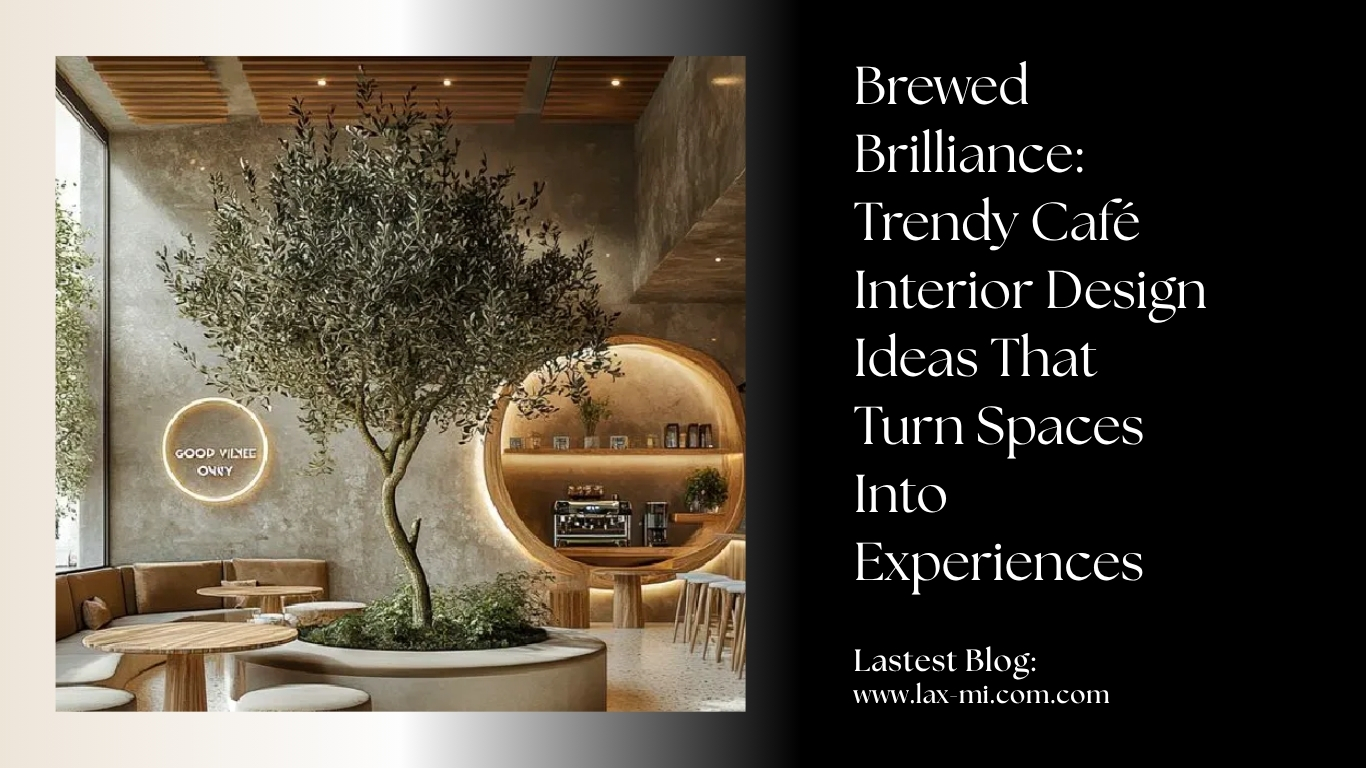
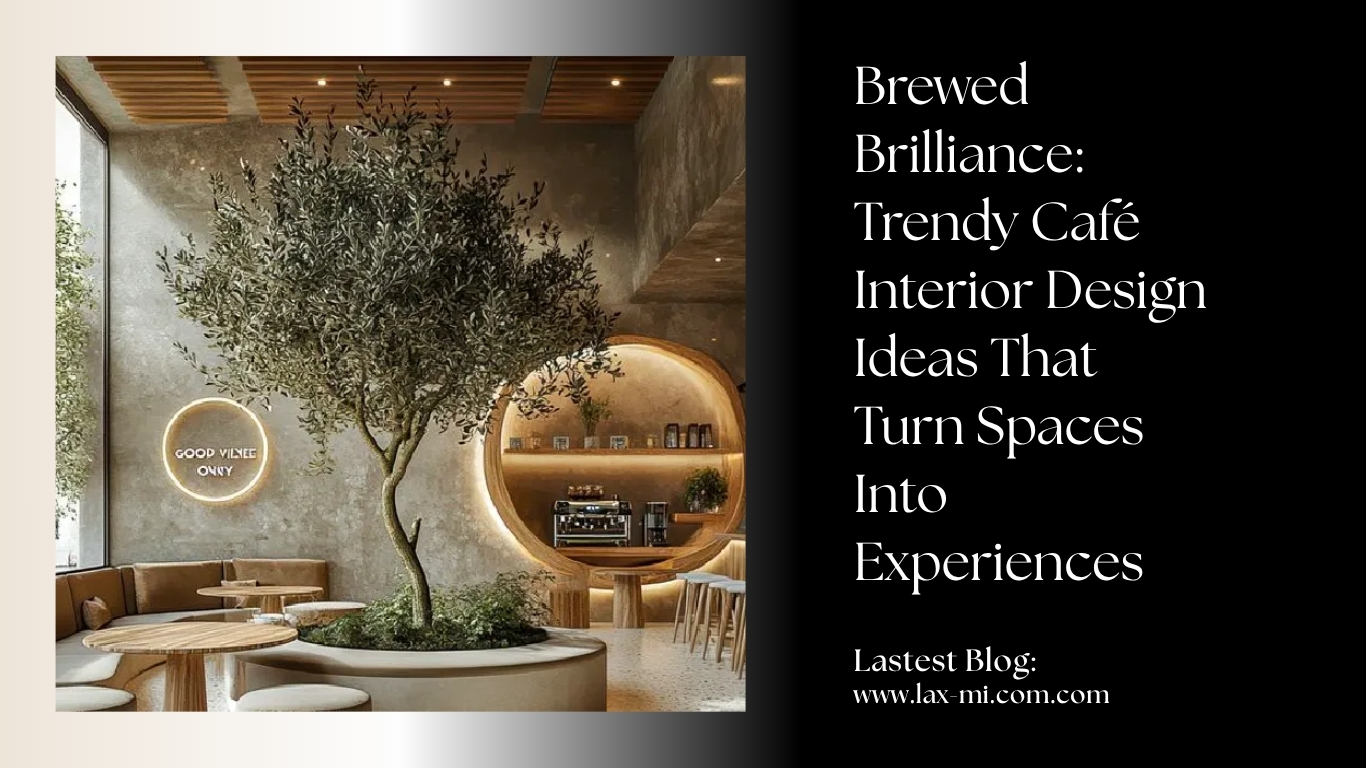
Bringing nature indoors has become one of the most influential trends in café design. Biophilic design focuses on incorporating natural elements such as plants, wood, and stone.
Not only does this approach enhance aesthetics, but it also improves the overall ambiance. Greenery creates a refreshing and calming environment. Customers feel more relaxed and connected to nature.
Furthermore, natural lighting plays a crucial role in this design. Large windows, indoor plants, and earthy tones create a harmonious atmosphere. As a result, cafés become more inviting and Instagram-worthy.
Cozy Corners for Comfort and Privacy
Modern café-goers often look for comfort and privacy. Creating cozy corners within the café helps cater to this need. Soft seating, warm lighting, and intimate layouts make customers feel at home.
Additionally, these spaces encourage longer visits. Customers enjoy reading, working, or chatting in such comfortable settings. This, in turn, increases customer retention.
Moreover, using cushions, rugs, and wooden textures enhances the cozy vibe. By dividing the space into smaller sections, cafés can offer a personalized experience to every guest.
Artistic Walls and Statement Décor
Art plays a vital role in creating a memorable café experience. Statement walls, murals, and creative installations instantly grab attention. These elements also serve as perfect backdrops for photos.
Furthermore, unique décor pieces reflect the café’s personality and brand identity. Whether it’s abstract art or cultural themes, the design should tell a story.
In addition, rotating artwork or seasonal décor keeps the space fresh and engaging. This encourages repeat visits as customers look forward to new experiences.
Multi-Functional Seating Arrangements
Flexibility is essential in modern café design. Multi-functional seating arrangements allow cafés to accommodate different customer needs.
For example, communal tables encourage social interaction, while individual seating caters to solo visitors. Adjustable furniture adds versatility to the space.
Moreover, combining different seating styles creates visual interest. This approach ensures that the café appeals to a diverse audience.
Lighting That Sets the Mood
Lighting is one of the most important elements in café interior design. It influences the mood, ambiance, and overall experience.
Warm lighting creates a cozy and inviting atmosphere. On the other hand, bright lighting works well for daytime settings. Layered lighting, including pendant lights and wall fixtures, adds depth to the design.
Additionally, creative lighting fixtures can act as decorative elements. They enhance the visual appeal while serving a functional purpose.
Vintage Themes with a Modern Twist
Vintage-inspired cafés continue to attract customers who appreciate nostalgia. Combining classic elements with modern touches creates a unique and charming space.
For instance, antique furniture paired with contemporary lighting creates a balanced look. Vintage posters, retro colors, and classic patterns add character.
Moreover, this design appeals to a wide audience. It creates a sense of familiarity while maintaining a trendy vibe.
Open Layouts for Spacious Feel
Open layouts make cafés feel larger and more welcoming. Removing unnecessary partitions allows better movement and visibility.
Additionally, open spaces encourage social interaction. Customers feel more connected to the environment and other visitors.
Furthermore, this design improves functionality. Staff can move efficiently, and customers can easily navigate the space.
Technology-Integrated Interiors
Technology has become an integral part of café design. From digital menus to charging stations, modern cafés must cater to tech-savvy customers.
Providing Wi-Fi and comfortable workspaces attracts freelancers and students. This increases foot traffic and customer loyalty.
Moreover, smart lighting and automated systems enhance efficiency. These features also create a futuristic and innovative ambiance.
Themed Cafés for Unique Experiences
Themed cafés offer immersive experiences that go beyond food and beverages. Whether it’s a book café, travel-themed café, or art café, themes create a strong identity.
Additionally, themed interiors make the café stand out in a competitive market. Customers are more likely to visit and share their experiences online.
Furthermore, consistency in design elements ensures a cohesive and engaging environment.
Sustainable and Eco-Friendly Design
Sustainability is a growing concern in interior design. Eco-friendly cafés use recycled materials, energy-efficient lighting, and sustainable furniture.
This approach not only benefits the environment but also appeals to conscious consumers. Customers appreciate businesses that prioritize sustainability.
Moreover, natural materials and earthy tones create a warm and welcoming atmosphere.
Color Psychology in Café Interiors
Colors play a significant role in influencing customer behavior. Warm colors like red and orange stimulate appetite, while cool tones create a calming effect.
Choosing the right color palette enhances the overall experience. It also aligns with the café’s brand identity.
Additionally, combining colors strategically creates visual harmony and balance.
Outdoor Seating for Extended Experience
Outdoor seating has become increasingly popular. It offers customers a refreshing alternative to indoor spaces.
Whether it’s a rooftop café or a garden setup, outdoor areas enhance the overall appeal. Natural surroundings create a relaxing atmosphere.
Moreover, outdoor seating increases capacity and attracts more customers, especially during pleasant weather.
Conclusion
Trendy café interior design ideas are more than just visual elements—they shape the entire customer experience. From minimalist aesthetics to nature-inspired designs, each trend offers unique benefits. By carefully selecting design elements, café owners can create spaces that attract, engage, and retain customers.
Furthermore, a well-designed café reflects its brand identity and values. It tells a story that resonates with visitors. As competition continues to grow, investing in innovative and thoughtful interior design becomes crucial.
Ultimately, the goal is to create a space where customers feel comfortable, inspired, and eager to return. By embracing these trendy café interior design ideas, you can transform your café into a destination that stands out and thrives in today’s dynamic market.