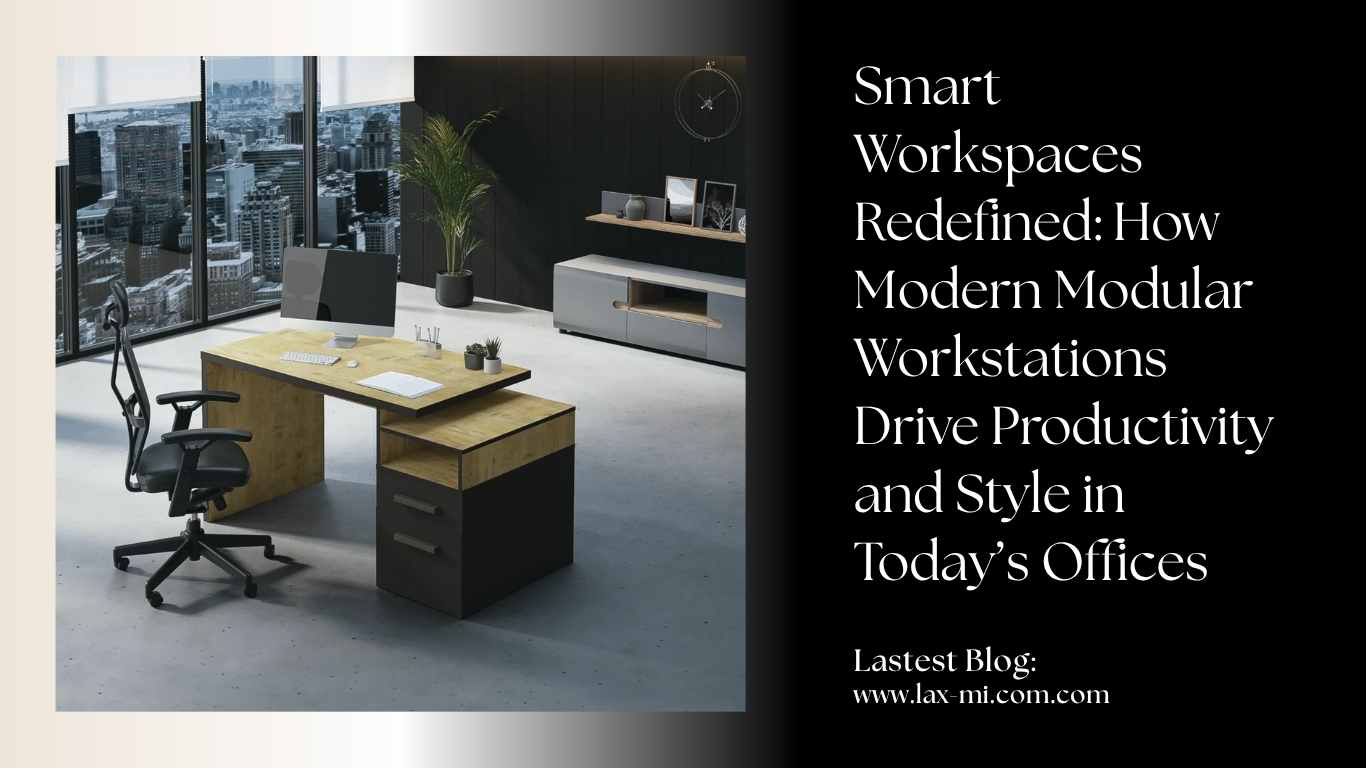
Smart Workspaces Redefined: How Modern Modular Workstations Drive Productivity and Style in Today’s Offices
The modern workplace has evolved far beyond rows of rigid desks and static layouts. Today, organizations seek flexibility, efficiency, and employee well-being in every square foot of their office environment. As a result, modern modular workstations have become a cornerstone of intelligent office design. They offer adaptability, enhance collaboration, and create visually appealing spaces that align with a company’s culture and goals.
Moreover, businesses now understand that workspace design directly impacts productivity, creativity, and employee satisfaction. Therefore, investing in modern modular workstations for efficient office spaces is not just a design choice—it is a strategic decision. These systems allow organizations to respond quickly to changing needs while maintaining a clean and organized environment.
In this comprehensive blog, we will explore how modern modular workstations transform office spaces, improve workflow, and support future-ready work environments. Additionally, we will examine design trends, benefits, materials, layouts, and practical considerations that help businesses make the right choice.
The Evolution of Office Workstations
Office workspaces have undergone a dramatic transformation over the past few decades. Initially, offices followed a traditional layout with closed cabins and heavy furniture. While this setup provided privacy, it often restricted communication and collaboration.
However, as companies began to prioritize teamwork and flexibility, open office concepts gained popularity. Although open layouts encouraged interaction, they also introduced challenges such as noise and lack of personal space. Consequently, modern modular workstations emerged as the perfect balance between openness and privacy.
These workstations allow businesses to create customizable layouts that adapt to different team sizes and functions. Furthermore, they integrate technology seamlessly, ensuring that employees stay connected and productive throughout the day.
What Are Modern Modular Workstations?
Modern modular workstations are flexible furniture systems designed to fit various office needs. They consist of individual components that can be rearranged, expanded, or reduced without major structural changes.
Unlike traditional desks, these workstations offer a combination of features such as storage units, partitions, cable management systems, and ergonomic designs. Additionally, they support both individual work and collaborative activities.
Because of their adaptability, organizations can easily reconfigure the workspace as their teams grow or projects evolve. This flexibility makes modern modular workstations for efficient office spaces an ideal solution for dynamic work environments.
Key Features of Modular Workstations
Modern modular workstations stand out due to their innovative features. First, they offer scalability, which means businesses can add or remove units as needed. This ensures optimal space utilization without unnecessary expenses.
Second, they include ergonomic designs that promote employee comfort. Adjustable desks, supportive chairs, and proper spacing help reduce physical strain and improve overall productivity.
Another important feature is integrated technology. Workstations often include built-in power outlets, USB ports, and cable management systems. As a result, employees can work efficiently without clutter.
Additionally, modular systems provide aesthetic consistency. With sleek finishes and modern materials, they enhance the overall look of the office while maintaining functionality.
Benefits of Modern Modular Workstations
Modern modular workstations provide numerous advantages that go beyond simple furniture solutions. One of the biggest benefits is improved productivity. When employees have well-organized and comfortable workspaces, they can focus better and complete tasks more efficiently.
Furthermore, these workstations encourage collaboration. Teams can easily communicate and share ideas in a well-designed layout. At the same time, partitions offer enough privacy for focused work.
Cost efficiency is another major advantage. Since modular systems are reusable and adaptable, businesses can avoid frequent furniture replacements. This reduces long-term expenses significantly.
In addition, modular workstations enhance space optimization. Even small offices can maximize their available area through smart layouts. This makes them ideal for startups as well as large enterprises.
Enhancing Office Aesthetics with Modular Designs
A visually appealing office environment plays a crucial role in employee motivation and client impressions. Modern modular workstations come in a variety of designs, colors, and finishes that suit different branding styles.
For instance, companies can choose minimalistic designs for a clean and professional look. Alternatively, vibrant colors can create a lively and energetic atmosphere. Glass partitions, wooden finishes, and metal accents add sophistication and elegance.
Moreover, consistent design elements across the workspace create a sense of harmony. This not only improves aesthetics but also strengthens the organization’s identity.
Space Optimization and Flexibility
One of the most significant advantages of modular workstations is their ability to optimize space. Traditional furniture often wastes valuable office area due to its fixed structure. In contrast, modular systems use every inch efficiently.
For example, corner spaces can be transformed into functional workstations. Similarly, shared desks can accommodate multiple employees without overcrowding. This flexibility allows businesses to make the most of their available space.
Additionally, modular layouts can adapt to changing requirements. Whether a company needs more meeting areas or additional desks, adjustments can be made بسهولة without major disruptions.
Supporting Collaboration and Teamwork
Collaboration is essential for modern businesses. Modular workstations are designed to foster teamwork while maintaining individual focus.
Open desk arrangements encourage communication and idea sharing. At the same time, partition panels provide enough separation to minimize distractions. This balance ensures that employees can collaborate effectively without compromising productivity.
Furthermore, modular setups can include collaborative zones such as brainstorming areas and meeting pods. These spaces support creativity and innovation, which are critical for business growth.
Ergonomics and Employee Well-Being
Employee well-being is a top priority in today’s work environment. Poorly designed workspaces can lead to health issues such as back pain, eye strain, and fatigue.
Modern modular workstations address these concerns through ergonomic designs. Adjustable desks allow employees to switch between sitting and standing positions. Proper chair support reduces strain on the spine.
Additionally, well-planned layouts ensure adequate lighting and ventilation. These factors contribute to a healthier and more comfortable workplace. As a result, employees feel more energized and engaged throughout the day.
Integration of Technology in Workstations
Technology plays a vital role in modern offices. Modular workstations are designed to accommodate advanced technological needs.
Built-in cable management systems keep wires organized and out of sight. Power outlets and charging ports ensure that devices remain functional at all times. Some workstations even include smart features such as wireless charging and integrated screens.
This seamless integration of technology enhances efficiency and reduces clutter. Employees can focus on their tasks without dealing with technical inconveniences.
Sustainability and Eco-Friendly Materials
Sustainability has become an important consideration in office design. Many modern modular workstations use eco-friendly materials such as recycled wood, metal, and low-emission finishes.
These materials reduce the environmental impact of office furniture. Additionally, modular systems promote sustainability by minimizing waste. Since components can be reused and reconfigured, fewer resources are required for replacements.
Companies that adopt sustainable workstations also demonstrate their commitment to environmental responsibility. This can improve their brand image and attract eco-conscious clients and employees.
Customization for Different Industries
Different industries have unique workspace requirements. Modular workstations offer customization options that cater to various needs.
For example, IT companies may require tech-integrated desks with multiple monitors. Creative agencies might prefer open layouts with collaborative spaces. On the other hand, corporate offices may focus on privacy and structured designs.
This adaptability ensures that every organization can create a workspace that aligns with its operations and culture. As a result, modern modular workstations for efficient office spaces become a versatile solution across industries.
Designing Layouts for Maximum Efficiency
An effective office layout plays a crucial role in productivity. Modular workstations allow designers to create layouts that enhance workflow and communication.
For instance, teams that work closely together can be placed in clusters. Departments that require focus can be positioned in quieter areas. Meeting spaces can be integrated within easy reach.
Additionally, clear pathways and organized zones improve movement within the office. This reduces time wastage and ensures a smooth workflow.
Cost Considerations and Long-Term Value
While the initial investment in modular workstations may seem significant, the long-term benefits outweigh the costs. These systems are durable and adaptable, which reduces the need for frequent replacements.
Moreover, their flexibility allows businesses to scale operations without major expenses. Instead of purchasing new furniture, existing modules can be rearranged or expanded.
This cost-effectiveness makes modular workstations a smart investment for businesses of all sizes.
Future Trends in Modular Workstations
The future of office design continues to evolve. Modular workstations are expected to become even more advanced and user-friendly.
Trends such as hybrid work models are driving the demand for flexible workspaces. As employees split their time between home and office, workstations need to support shared usage.
Additionally, smart technology integration will play a bigger role. Features like IoT-enabled desks and automated adjustments will enhance user experience.
Sustainability will also remain a key focus. Manufacturers will continue to develop eco-friendly materials and energy-efficient designs.
Choosing the Right Modular Workstations
Selecting the right modular workstation requires careful planning. Businesses should consider factors such as space availability, employee needs, and budget.
It is important to choose designs that align with the company’s workflow. Additionally, quality materials and ergonomic features should be prioritized.
Consulting with professional designers can help create a workspace that meets both functional and aesthetic requirements.
Conclusion
Modern modular workstations have revolutionized the way offices are designed and utilized. They offer flexibility, efficiency, and style, making them an essential element of contemporary workspaces.
By investing in modern modular workstations for efficient office spaces, businesses can create environments that support productivity, collaboration, and employee well-being. Furthermore, these systems provide long-term value through their adaptability and durability.
As workplaces continue to evolve, modular solutions will remain at the forefront of office design. Companies that embrace this approach will not only enhance their operations but also create inspiring spaces that drive success.