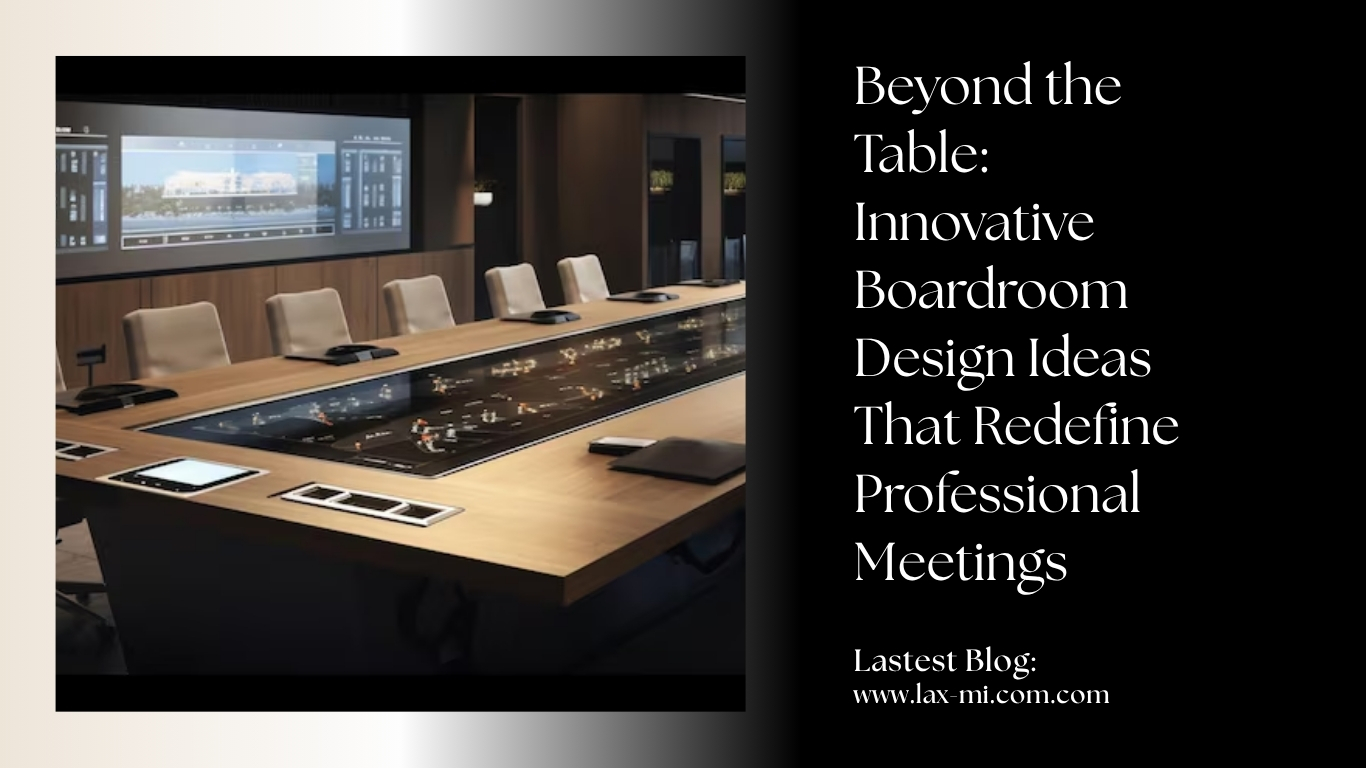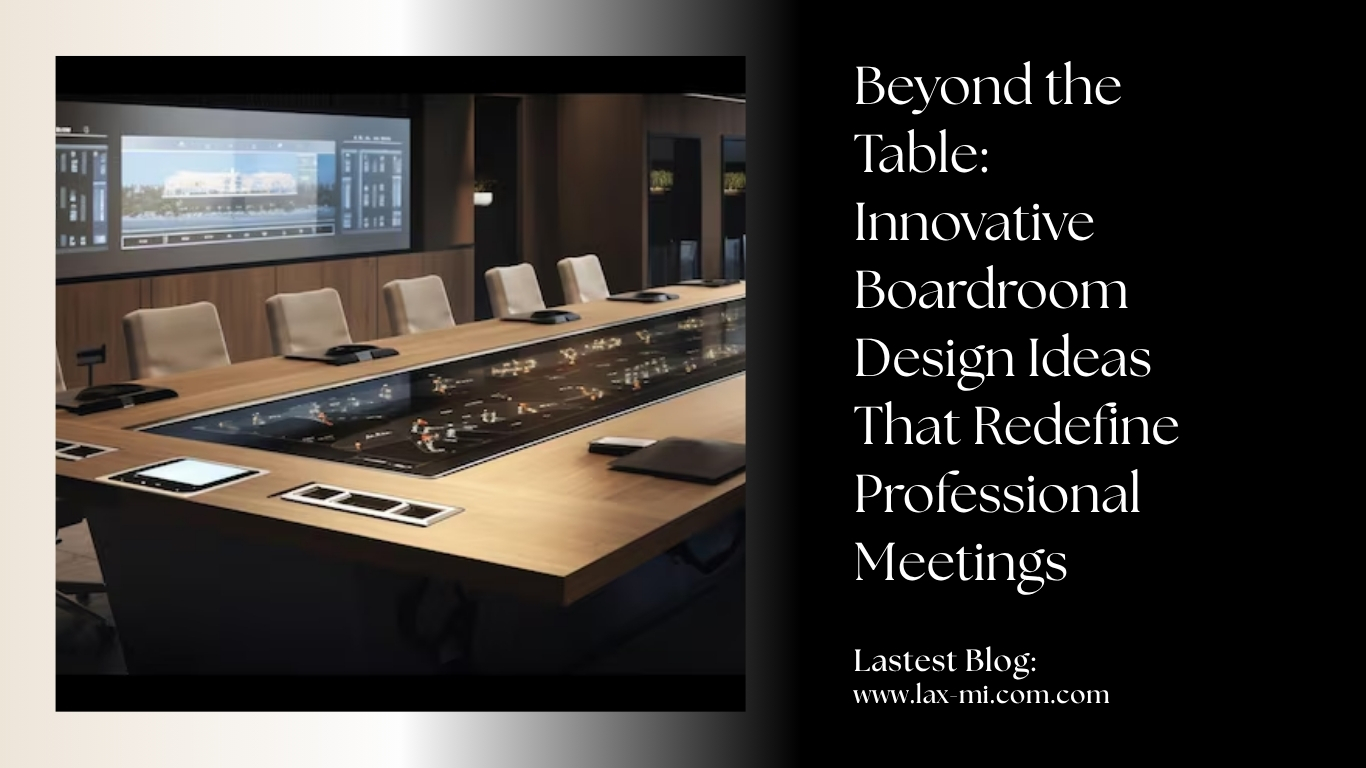
Beyond the Table: Innovative Boardroom Design Ideas That Redefine Professional Meetings
Modern workplaces no longer treat boardrooms as simple meeting spaces. Instead, they view them as strategic environments where ideas grow, decisions take shape, and leadership aligns. As businesses evolve, so do expectations around how professional meetings should feel and function. A well-designed boardroom does more than host discussions—it influences productivity, creativity, and collaboration.
Today, organizations prioritize environments that inspire confidence while supporting seamless communication. Consequently, innovative boardroom design ideas have become essential for companies that want to stay competitive. From smart technology integration to human-centric layouts, every detail now contributes to better meeting outcomes.
This blog explores forward-thinking boardroom design ideas that elevate professional meetings. It highlights practical strategies, aesthetic approaches, and functional upgrades that transform ordinary spaces into dynamic decision-making hubs.
Creating a Purpose-Driven Boardroom Layout
A successful boardroom begins with clarity of purpose. Every design choice should align with how teams use the space. For instance, a boardroom meant for executive discussions differs from one designed for collaborative brainstorming.
Instead of traditional rectangular tables, many organizations now adopt flexible layouts. Circular and oval tables encourage inclusivity because they remove hierarchical seating patterns. As a result, participants feel more engaged and willing to contribute.
Moreover, modular furniture allows quick reconfiguration. Teams can shift from formal meetings to interactive sessions without disruption. This flexibility enhances usability and ensures the room adapts to evolving business needs.
Clear pathways and balanced spacing also matter. When movement flows naturally, meetings feel less restrictive. Therefore, thoughtful spatial planning improves both comfort and efficiency.
Integrating Smart Technology for Seamless Communication
Technology plays a central role in modern boardroom design. However, integration must feel effortless rather than overwhelming. When technology blends smoothly into the environment, it enhances productivity without distraction.
Wireless presentation systems eliminate cable clutter. Participants can share content instantly, which saves time and maintains meeting momentum. Additionally, interactive displays support real-time collaboration, allowing teams to annotate and brainstorm effectively.
Video conferencing solutions have also become essential. High-quality audio and visual systems ensure remote participants feel equally involved. This inclusivity strengthens teamwork across locations.
Furthermore, automation features such as smart lighting and climate control improve user experience. With simple controls, teams can adjust the environment to suit different meeting scenarios.
Enhancing Acoustics for Clear Communication
Clear communication defines successful meetings. Therefore, acoustics deserve careful attention in boardroom design. Poor sound quality often leads to misunderstandings and reduced engagement.
Acoustic panels and sound-absorbing materials help minimize noise disruptions. Soft furnishings like carpets and upholstered chairs also contribute to better sound balance. As a result, conversations remain clear and focused.
Ceiling treatments further enhance audio quality. They prevent echoes and ensure voices carry evenly across the room. This improvement becomes especially important in larger boardrooms.
Additionally, soundproofing walls reduces external disturbances. When outside noise stays out, teams can concentrate fully on discussions. Consequently, productivity improves significantly.
Using Lighting to Influence Mood and Focus
Lighting shapes the overall atmosphere of a boardroom. Therefore, it should support both concentration and comfort. A well-lit environment keeps participants alert and engaged.
Natural light remains the most effective option. Large windows create an open and inviting ambiance. They also reduce eye strain and improve overall well-being.
However, artificial lighting must complement natural sources. Layered lighting works best because it combines ambient, task, and accent lighting. This approach allows flexibility for different meeting types.
For example, brighter lighting suits presentations, while softer tones work well for discussions. Adjustable systems enable quick changes, ensuring the space adapts effortlessly.
Incorporating Ergonomic Furniture for Comfort
Comfort directly impacts productivity. When participants feel physically at ease, they can focus better on discussions. Therefore, ergonomic furniture plays a crucial role in boardroom design.
Chairs with proper lumbar support reduce fatigue during long meetings. Adjustable features allow individuals to customize their seating position. This flexibility enhances comfort for diverse users.
Tables should also align with ergonomic principles. Appropriate height and spacing ensure ease of use. Additionally, smooth surfaces and rounded edges improve safety and aesthetics.
By prioritizing comfort, organizations create an environment where ideas flow naturally. As a result, meetings become more productive and engaging.
Blending Aesthetics with Brand Identity
A boardroom reflects a company’s identity. Therefore, its design should align with the organization’s brand values and culture. A cohesive aesthetic creates a lasting impression on clients and employees alike.
Color schemes play a vital role in this process. Neutral tones convey professionalism, while bold accents add energy and creativity. Choosing the right palette ensures balance and visual appeal.
Wall art and design elements can reinforce brand messaging. Subtle incorporation of logos or themes strengthens identity without overwhelming the space.
Additionally, consistent design language across the office enhances overall cohesion. When the boardroom aligns with other areas, it creates a unified workplace experience.
Maximizing Space Efficiency Without Compromise
Efficient use of space ensures functionality without sacrificing comfort. Even smaller boardrooms can feel spacious with the right design strategies.
Built-in storage solutions help reduce clutter. When materials and equipment remain organized, the room looks clean and professional. This clarity supports better focus during meetings.
Compact furniture designs also contribute to space optimization. Multi-functional pieces serve different purposes without occupying extra room.
Mirrors and reflective surfaces can create an illusion of space. They make the room appear larger and more open. Consequently, participants feel less confined.
Encouraging Collaboration Through Interactive Elements
Modern meetings thrive on collaboration. Therefore, boardroom design should actively support teamwork and idea sharing.
Writable walls and digital whiteboards provide platforms for brainstorming. Teams can visualize ideas instantly, which enhances creativity. This interaction leads to more dynamic discussions.
Flexible seating arrangements also encourage collaboration. Instead of fixed positions, participants can move freely and engage with others.
Moreover, shared screens and collaborative tools ensure everyone stays involved. When participation increases, meeting outcomes improve significantly.
Incorporating Biophilic Design for Well-Being
Biophilic design connects indoor spaces with nature. This approach improves well-being and enhances productivity in professional environments.
Indoor plants bring freshness and vibrancy to the boardroom. They also improve air quality, which supports better concentration. Even small greenery elements can make a noticeable difference.
Natural materials such as wood and stone add warmth to the space. These textures create a calming environment that reduces stress.
Views of outdoor landscapes further enhance the experience. When participants feel relaxed, they contribute more effectively to discussions.
Designing for Hybrid Meeting Environments
Hybrid meetings have become a standard practice. Therefore, boardrooms must accommodate both in-person and remote participants seamlessly.
Camera placement plays a critical role. Strategic positioning ensures all participants remain visible. This setup creates a more inclusive experience for remote attendees.
Microphone systems should capture voices clearly from all directions. This clarity prevents communication gaps and maintains engagement.
Additionally, screen placement must allow easy visibility for everyone. Balanced positioning ensures both physical and virtual participants feel equally involved.
Focusing on Sustainability in Boardroom Design
Sustainability has become a priority for modern businesses. Therefore, boardroom design should reflect eco-friendly practices.
Energy-efficient lighting reduces power consumption without compromising quality. LED systems offer long-term benefits and lower operational costs.
Sustainable materials such as recycled wood and low-VOC finishes improve environmental impact. They also contribute to healthier indoor air quality.
Furthermore, smart systems help monitor and control energy usage. This efficiency aligns with corporate sustainability goals while enhancing functionality.
Enhancing Privacy and Confidentiality
Boardrooms often host sensitive discussions. Therefore, privacy remains a critical aspect of design.
Soundproofing solutions prevent information leakage. Acoustic insulation ensures conversations stay within the room.
Frosted glass panels can provide visual privacy while maintaining openness. This balance creates a secure yet inviting environment.
Access control systems further enhance security. Restricted entry ensures only authorized individuals participate in meetings.
Adding Creative Design Features for Impact
Creative elements can elevate a boardroom from functional to inspiring. Unique design features leave a lasting impression and boost engagement.
Statement lighting fixtures add visual interest. They act as focal points while enhancing overall ambiance.
Feature walls with textures or patterns create depth. These elements add personality without overwhelming the space.
Custom furniture designs can also reflect innovation. When the environment feels unique, it inspires fresh thinking and creativity.
Ensuring Flexibility for Future Needs
Workplace requirements continue to evolve. Therefore, boardroom design must remain adaptable.
Modular systems allow easy upgrades and modifications. Organizations can adjust layouts without major renovations.
Technology infrastructure should support future advancements. Scalable systems ensure long-term usability.
By planning for flexibility, companies protect their investment. They also ensure the boardroom remains relevant in changing work environments.
Conclusion
Innovative boardroom design goes beyond aesthetics. It shapes how teams communicate, collaborate, and make decisions. By focusing on functionality, comfort, and adaptability, organizations can create spaces that truly support professional meetings.
From smart technology integration to biophilic elements, every design choice contributes to a better experience. Moreover, aligning the boardroom with brand identity strengthens its impact.
As businesses continue to evolve, boardrooms must keep pace. Investing in thoughtful design not only enhances productivity but also reflects a company’s commitment to excellence. Ultimately, a well-designed boardroom becomes more than a meeting space—it becomes a powerful tool for success.