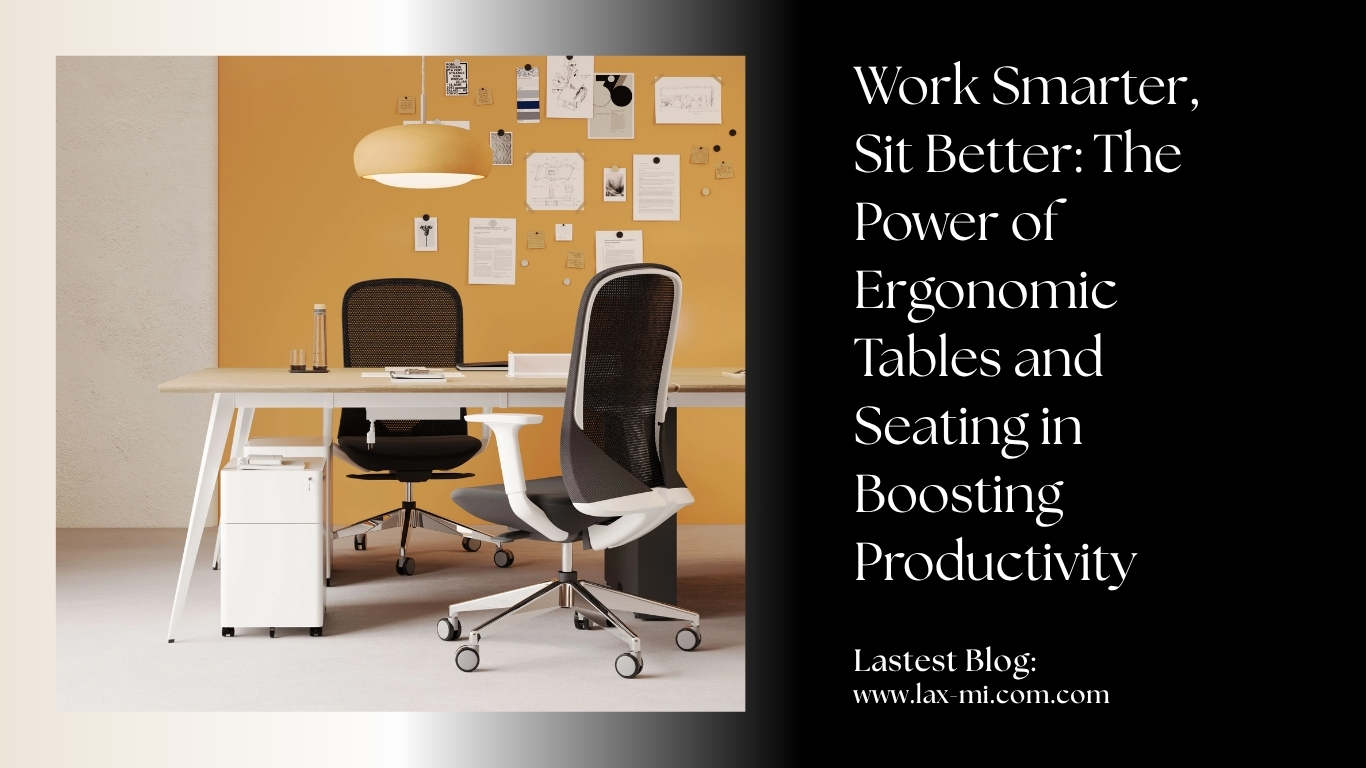
Work Smarter, Sit Better: The Power of Ergonomic Tables and Seating in Boosting Productivity
Modern workspaces are evolving rapidly, yet one challenge remains constant—maintaining productivity without compromising health. Long hours at desks, repetitive tasks, and poor posture often lead to fatigue, discomfort, and reduced efficiency. As a result, cz. These elements are no longer luxury additions; they have become essential tools that directly influence performance, focus, and overall well-being.
When employees feel physically comfortable, they naturally work better. On the other hand, discomfort creates distractions, reduces concentration, and lowers output. Therefore, investing in ergonomic furniture is not just about aesthetics or compliance; it is about creating a workspace that supports human movement, posture, and energy levels throughout the day. This blog explores how ergonomic working tables and seating solutions enhance productivity while improving health and satisfaction in any professional environment.
The Science Behind Ergonomics in the Workplace
Ergonomics focuses on designing workspaces that fit human capabilities and limitations. It studies how people interact with their environment and aims to reduce strain, fatigue, and injury. When applied to office furniture, ergonomics ensures that desks, chairs, and accessories align with natural body posture.
Poor ergonomics often leads to musculoskeletal problems, including back pain, neck strain, and wrist discomfort. These issues may seem minor initially, yet they gradually impact productivity. Employees may take frequent breaks, struggle to concentrate, or even require medical attention. In contrast, ergonomic solutions reduce these risks by promoting neutral body positions.
For instance, a well-designed ergonomic chair supports the spine’s natural curve. Likewise, an adjustable table allows users to maintain proper eye level and arm positioning. Together, these elements create a balanced environment where the body works efficiently without unnecessary strain. Consequently, employees can focus on tasks rather than discomfort, leading to improved performance and consistency.
Why Ergonomic Working Tables Matter
Working tables serve as the foundation of any workspace. However, not all tables support productivity equally. Traditional desks often force users into fixed positions, which can lead to poor posture and fatigue over time. Ergonomic working tables, on the other hand, offer flexibility and adaptability.
Height-adjustable desks stand out as one of the most effective ergonomic solutions. These tables allow users to switch between sitting and standing positions throughout the day. This movement reduces pressure on the spine and improves blood circulation. Moreover, standing intermittently can boost energy levels and reduce the risk of prolonged sitting-related health issues.
Additionally, ergonomic tables provide sufficient space for equipment placement. Proper spacing ensures that monitors, keyboards, and accessories remain within comfortable reach. This arrangement minimizes unnecessary stretching or bending, which can strain muscles. Furthermore, cable management and organized layouts enhance both functionality and visual appeal.
Ultimately, ergonomic working tables create a dynamic workspace. They encourage movement, support posture, and improve workflow efficiency. As a result, users experience less fatigue and maintain higher productivity levels throughout the day.
The Role of Ergonomic Seating in Daily Comfort
Seating plays a crucial role in workplace ergonomics. Since employees spend a significant portion of their day sitting, the quality of their chairs directly affects comfort and productivity. Ergonomic seating solutions address this need by offering support, adjustability, and durability.
An ergonomic chair typically includes adjustable height, lumbar support, and armrests. These features allow users to customize the chair according to their body dimensions. Proper lumbar support maintains the natural curve of the spine, preventing slouching and back pain. Meanwhile, adjustable armrests reduce strain on the shoulders and wrists.
Moreover, breathable materials and cushioned seating enhance comfort during long hours. A well-designed chair distributes body weight evenly, reducing pressure points. Consequently, users can sit for extended periods without experiencing discomfort.
In addition to physical benefits, ergonomic seating also improves mental focus. When individuals feel comfortable, they can concentrate better on their tasks. This improvement leads to higher efficiency and reduced errors. Therefore, investing in ergonomic chairs is a practical step toward creating a productive and healthy work environment.
Enhancing Productivity Through Proper Posture
Posture significantly influences productivity, yet it often goes unnoticed. Poor posture can lead to fatigue, discomfort, and reduced efficiency. Ergonomic working tables and seating solutions address this issue by promoting correct alignment of the body.
When users sit with proper posture, their spine remains aligned, and muscles experience less strain. This alignment allows the body to function efficiently without unnecessary effort. As a result, individuals can work longer without feeling tired.
Furthermore, proper posture improves breathing and blood circulation. Better oxygen flow enhances brain function, leading to improved concentration and decision-making. In contrast, slouching restricts airflow and reduces energy levels.
Ergonomic setups encourage users to maintain neutral positions. For example, monitors should be at eye level, and keyboards should align with elbow height. These adjustments reduce strain on the neck, shoulders, and wrists. Over time, consistent posture improvement leads to increased comfort and sustained productivity.
Reducing Workplace Injuries and Health Risks
Workplace injuries related to poor ergonomics can have serious consequences. Repetitive strain injuries, back pain, and joint issues often result from improper workstation setups. These conditions not only affect employees’ health but also lead to decreased productivity and increased absenteeism.
Ergonomic working tables and seating solutions help prevent such issues by minimizing strain on the body. Adjustable furniture allows users to maintain comfortable positions, reducing the risk of injury. Additionally, ergonomic designs encourage movement, which prevents stiffness and muscle fatigue.
Employers who invest in ergonomic solutions often notice a decline in health-related complaints. Employees experience fewer injuries and recover faster from minor discomforts. This improvement leads to higher job satisfaction and reduced medical costs.
Moreover, a healthy workforce contributes to a positive work environment. When employees feel cared for, they remain motivated and engaged. Therefore, ergonomics plays a vital role in maintaining both physical health and organizational productivity.
The Impact of Movement and Flexibility
Static work positions can negatively affect both health and productivity. Sitting or standing in one position for extended periods leads to stiffness, fatigue, and reduced energy levels. Ergonomic working tables address this issue by promoting movement and flexibility.
Sit-stand desks allow users to alternate between positions throughout the day. This variation reduces pressure on specific body parts and improves circulation. Additionally, movement helps maintain energy levels and prevents mental fatigue.
Flexibility also extends to seating solutions. Chairs with adjustable features enable users to change positions and find optimal comfort. This adaptability ensures that the body remains active rather than static.
Encouraging movement within the workspace leads to improved focus and creativity. Employees feel more energized and less restricted. As a result, they can approach tasks with greater efficiency and enthusiasm.
Designing an Ergonomic Workspace
Creating an ergonomic workspace requires careful planning and consideration. It involves more than selecting furniture; it requires aligning all elements to support comfort and productivity.
First, the placement of furniture plays a crucial role. Desks and chairs should allow users to maintain proper posture. Monitors must be positioned at eye level, and keyboards should remain within easy reach. These adjustments reduce strain and improve efficiency.
Second, lighting and ventilation contribute to overall comfort. Proper lighting reduces eye strain, while good ventilation maintains a fresh and comfortable environment. Together, these factors enhance focus and productivity.
Third, organization and layout impact workflow. A clutter-free workspace allows users to access tools easily and stay focused on tasks. Ergonomic accessories such as monitor stands and footrests further enhance comfort.
By combining these elements, organizations can create workspaces that support both physical well-being and productivity.
Ergonomics and Employee Satisfaction
Employee satisfaction directly influences productivity and retention. Comfortable work environments contribute to positive experiences, while discomfort leads to dissatisfaction. Ergonomic working tables and seating solutions play a key role in enhancing workplace satisfaction.
When employees feel physically supported, they experience less stress and fatigue. This comfort allows them to focus on their work rather than dealing with discomfort. Additionally, ergonomic solutions demonstrate that organizations value employee well-being.
Satisfied employees are more likely to remain engaged and motivated. They perform tasks efficiently and contribute to a positive work culture. Furthermore, a comfortable workspace reduces turnover rates, saving organizations time and resources.
Therefore, investing in ergonomics is not just about furniture; it is about creating an environment where employees thrive.
Boosting Efficiency Through Smart Design
Efficiency in the workplace depends on how easily tasks can be performed. Ergonomic furniture enhances efficiency by reducing unnecessary movements and improving accessibility.
For example, adjustable tables allow users to position equipment at optimal heights. This setup minimizes reaching and bending, saving time and effort. Similarly, ergonomic chairs support natural posture, reducing fatigue and maintaining focus.
Smart design also includes integrating technology with ergonomic solutions. Cable management systems, adjustable monitor arms, and modular furniture contribute to a streamlined workspace. These features enhance organization and reduce distractions.
As a result, employees can complete tasks more efficiently. They spend less time adjusting their workspace and more time focusing on their work.
Long-Term Benefits of Ergonomic Investments
While ergonomic furniture may require an initial investment, the long-term benefits outweigh the costs. Improved productivity, reduced health issues, and enhanced employee satisfaction contribute to overall organizational success.
Employees who work in ergonomic environments experience fewer injuries and take fewer sick days. This consistency leads to higher output and better performance. Additionally, comfortable workspaces attract and retain talent, giving organizations a competitive advantage.
Over time, ergonomic investments also reduce healthcare expenses. Preventing injuries is more cost-effective than treating them. Therefore, organizations benefit financially while supporting employee well-being.
Adapting Ergonomics for Different Work Environments
Ergonomic solutions are not limited to traditional offices. They can be adapted to various work environments, including home offices, co-working spaces, and industrial settings.
In home offices, ergonomic furniture ensures that individuals maintain productivity and comfort. Adjustable desks and supportive chairs create a professional setup within limited space.
Co-working spaces benefit from flexible ergonomic solutions that accommodate different users. Modular furniture and adjustable features allow individuals to customize their workspace.
Industrial environments also require ergonomic considerations. Workstations designed for specific tasks reduce strain and improve efficiency. By adapting ergonomics to different settings, organizations can ensure consistent productivity across all environments.
The Connection Between Comfort and Creativity
Comfort does more than improve productivity; it also enhances creativity. When individuals feel physically at ease, their minds can focus on innovative ideas and problem-solving.
Ergonomic working tables and seating solutions create an environment where creativity can thrive. Reduced discomfort allows employees to think freely and explore new approaches. Additionally, flexible workspaces encourage collaboration and idea-sharing.
Creative thinking often requires extended periods of focus. Ergonomic setups support this need by minimizing fatigue and maintaining energy levels. As a result, employees can generate ideas more effectively and contribute to innovation.
Future Trends in Ergonomic Furniture
The future of ergonomic furniture continues to evolve with advancements in technology and design. Smart furniture with integrated sensors can monitor posture and provide real-time feedback. These innovations help users maintain optimal positions throughout the day.
Additionally, sustainable materials and eco-friendly designs are becoming more popular. Organizations are prioritizing both comfort and environmental responsibility. Modular and customizable furniture solutions also offer greater flexibility for changing work needs.
As workplaces continue to evolve, ergonomic solutions will play an increasingly important role. They will adapt to new work styles and technologies, ensuring that productivity and well-being remain at the forefront.
Conclusion
Ergonomic working tables and seating solutions are essential for creating productive and healthy work environments. They support proper posture, reduce discomfort, and enhance efficiency. Moreover, they contribute to employee satisfaction and long-term organizational success.
By investing in ergonomic furniture, individuals and organizations can transform their workspaces into environments that promote both well-being and performance. Comfort and productivity are closely connected, and ergonomics bridges the gap between them. As workplaces continue to evolve, prioritizing ergonomic design will remain a key factor in achieving sustainable success.