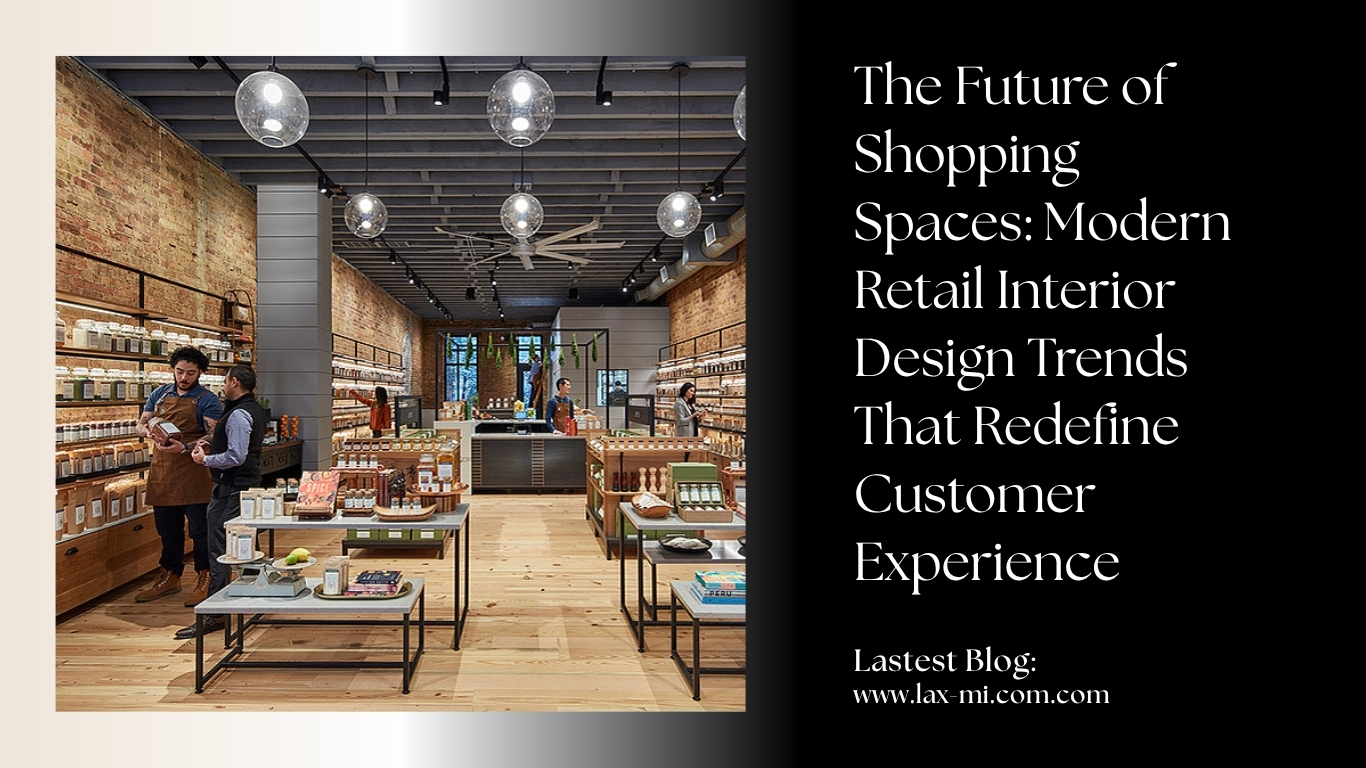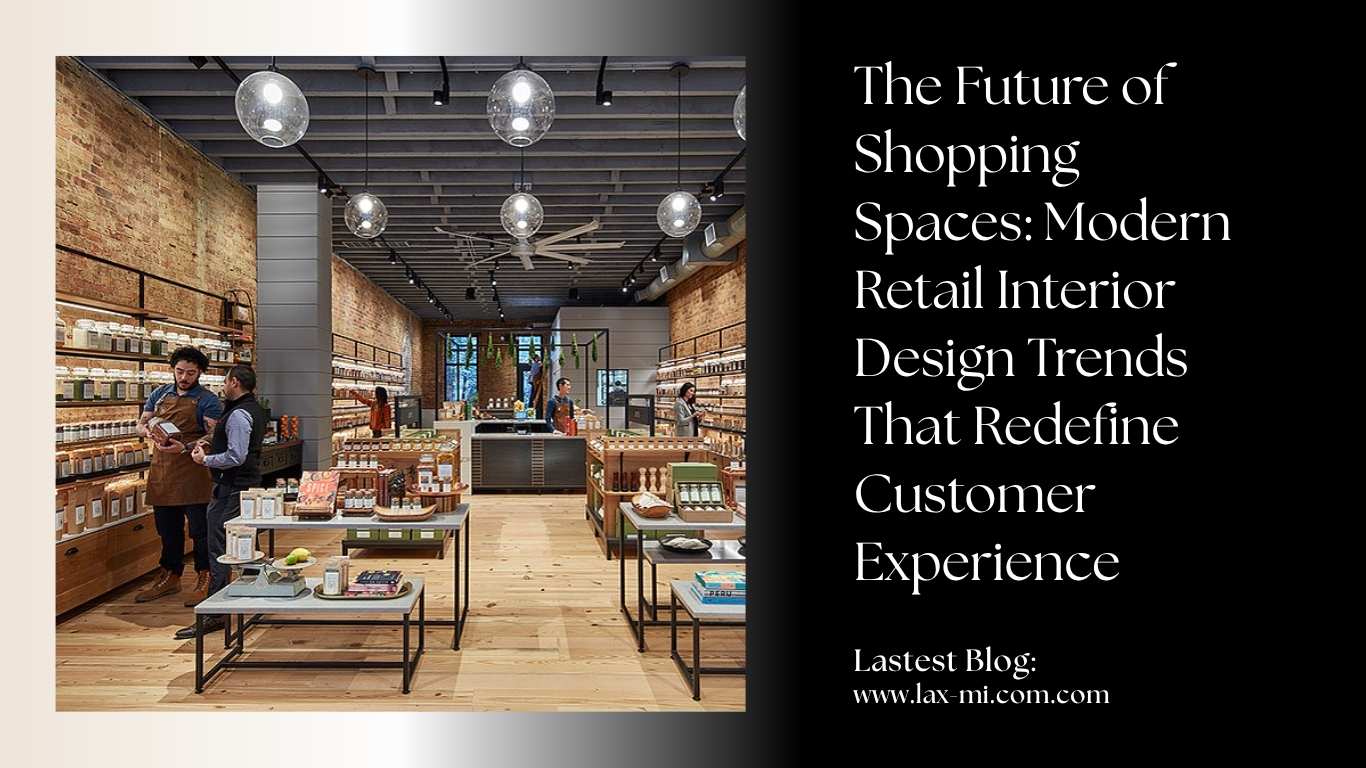
The Future of Shopping Spaces: Modern Retail Interior Design Trends That Redefine Customer Experience
Retail is no longer just about selling products; instead, it has evolved into creating immersive experiences that attract, engage, and retain customers. As consumer expectations continue to rise, brands are rethinking how their physical spaces look and feel. Consequently, modern retail interior design trends have become a powerful tool for storytelling, brand positioning, and customer connection. Today’s retail environments must balance aesthetics, functionality, and emotional appeal, ensuring that every visitor enjoys a seamless and memorable journey.
Moreover, the rise of e-commerce has pushed physical stores to offer something unique that online platforms cannot replicate. Because of this shift, retailers now focus heavily on sensory experiences, personalized layouts, and innovative designs. From minimalistic layouts to tech-integrated environments, modern retail interior design trends reflect a blend of creativity and strategy. In this blog, you will explore how these trends are shaping the future of retail spaces and why they matter more than ever.
Experience-Driven Store Design
One of the most impactful modern retail interior design trends is the shift toward experience-driven spaces. Retailers now aim to create environments that encourage customers to spend more time exploring. As a result, stores often resemble lifestyle hubs rather than traditional shopping outlets.
For instance, brands incorporate lounge areas, interactive displays, and even cafés within their stores. These elements invite customers to relax, interact, and engage with the brand on a deeper level. Additionally, experiential design fosters emotional connections, which increases customer loyalty and repeat visits.
Furthermore, storytelling plays a key role in this trend. Designers carefully craft each section of the store to reflect the brand’s identity and values. Through visual merchandising, lighting, and layout, customers can feel the brand’s narrative as they move through the space. This approach transforms shopping into a journey rather than a transaction.
Minimalism with Purpose
Another dominant trend in modern retail interior design is purposeful minimalism. Unlike traditional minimalism, which focuses solely on simplicity, this approach emphasizes clarity and intention. Every design element serves a specific purpose, ensuring that the space feels clean yet impactful.
Retailers now use neutral color palettes, uncluttered layouts, and strategic product placement to highlight key items. This approach reduces distractions and helps customers focus on the products. As a result, the shopping experience becomes more intuitive and enjoyable.
In addition, minimalism enhances brand perception. A well-organized and visually appealing store communicates professionalism and quality. Consequently, customers are more likely to trust and engage with the brand.
Integration of Technology
Technology has become a cornerstone of modern retail interior design trends. Today’s stores seamlessly integrate digital elements to enhance convenience and engagement. From interactive screens to smart mirrors, technology bridges the gap between online and offline shopping.
For example, customers can use touchscreens to browse product catalogs or check availability. Similarly, augmented reality features allow shoppers to visualize products in real-life settings. These innovations not only improve the shopping experience but also make it more personalized.
Moreover, data-driven design plays a crucial role. Retailers analyze customer behavior to optimize store layouts and product placements. This approach ensures that the design aligns with customer preferences, ultimately driving sales and satisfaction.
Sustainable and Eco-Friendly Design
Sustainability has emerged as a key priority in modern retail interior design trends. As consumers become more environmentally conscious, brands must reflect these values in their physical spaces. Consequently, eco-friendly materials and energy-efficient solutions are gaining popularity.
Designers now use recycled materials, natural textures, and sustainable lighting systems to create environmentally responsible spaces. In addition, greenery and biophilic elements bring a sense of nature into the store, enhancing both aesthetics and well-being.
Furthermore, sustainable design is not just about materials; it also involves long-term efficiency. Retailers focus on durable fixtures and adaptable layouts to reduce waste and costs. This approach benefits both the environment and the business.
Flexible and Modular Layouts
Flexibility is another defining aspect of modern retail interior design trends. Retail spaces must adapt quickly to changing seasons, promotions, and customer needs. Therefore, modular layouts have become increasingly popular.
Movable fixtures, adjustable shelving, and multi-purpose furniture allow retailers to reconfigure their spaces بسهولة. This adaptability ensures that the store remains fresh and relevant. Moreover, it enables brands to experiment with different layouts and concepts without significant investment.
In addition, flexible design supports pop-up stores and temporary installations. These formats create excitement and urgency, attracting more customers. As a result, retailers can test new ideas while maintaining a dynamic environment.
Immersive Lighting Design
Lighting plays a crucial role in shaping the atmosphere of a retail space. In modern retail interior design trends, lighting goes beyond functionality and becomes a design feature in itself. It influences mood, highlights products, and guides customer movement.
For instance, warm lighting creates a cozy and inviting ambiance, while bright lighting enhances visibility and energy. Accent lighting draws attention to specific products, making them stand out. Additionally, dynamic lighting systems can change based on time or theme, adding a layer of versatility.
Moreover, well-designed lighting improves the overall shopping experience. It ensures that customers feel comfortable and engaged, which encourages them to spend more time in the store.
Personalization and Customer-Centric Design
Modern retail spaces prioritize the customer above everything else. Therefore, personalization has become a key component of modern retail interior design trends. Retailers design their spaces to cater to individual preferences and behaviors.
For example, stores may offer personalized product recommendations through digital interfaces. Similarly, layout design can guide customers based on their shopping habits. This approach creates a tailored experience that feels unique and meaningful.
Furthermore, customer-centric design focuses on comfort and convenience. Clear navigation, accessible displays, and intuitive layouts ensure that customers can بسهولة find what they need. As a result, the shopping journey becomes smooth and enjoyable.
Use of Bold Colors and Textures
While minimalism remains popular, bold colors and textures are also making a strong impact. Modern retail interior design trends often combine neutral bases with vibrant accents to create visual interest.
Retailers use contrasting colors to define different zones within the store. This approach helps customers navigate the space while adding a dynamic element. Additionally, textures such as wood, metal, and fabric create depth and richness.
Moreover, bold design elements can reinforce brand identity. Unique color schemes and materials make the store memorable, encouraging customers to return.
Community-Centric Spaces
Retail stores are increasingly becoming community hubs. This trend reflects the growing importance of social interaction in shopping experiences. Modern retail interior design trends now include spaces for events, workshops, and gatherings.
For instance, brands may host product launches, demonstrations, or creative sessions within their stores. These activities attract diverse audiences and foster a sense of belonging. As a result, customers feel more connected to the brand.
Additionally, community-centric design encourages collaboration and engagement. It transforms the store into a lively and interactive environment, enhancing its overall appeal.
Seamless Omnichannel Integration
The line between online and offline shopping continues to blur. Therefore, modern retail interior design trends focus on creating a seamless omnichannel experience. Physical stores must complement digital platforms rather than compete with them.
For example, click-and-collect stations allow customers to pick up online orders in-store. Similarly, digital kiosks provide access to extended product ranges. These features ensure that customers enjoy a consistent experience across all channels.
Moreover, omnichannel integration enhances convenience and efficiency. It allows customers to switch between online and offline modes effortlessly, improving overall satisfaction.
Artistic and Statement Installations
Art has become an integral part of retail design. Modern retail interior design trends often include statement installations that capture attention and create a unique identity. These elements serve as focal points, drawing customers into the store.
For instance, large sculptures, murals, or creative displays can transform the space into a visual masterpiece. These installations not only enhance aesthetics but also encourage social media sharing. As a result, they contribute to brand visibility and marketing.
Furthermore, artistic elements add personality to the store. They reflect the brand’s creativity and vision, making the space more engaging.
Biophilic Design Elements
Bringing nature indoors is another significant trend in modern retail interior design. Biophilic design focuses on incorporating natural elements such as plants, water features, and natural light.
This approach creates a calming and refreshing environment, which improves customer well-being. Additionally, it enhances the visual appeal of the space, making it more inviting.
Moreover, biophilic design aligns with sustainability goals. It promotes a connection with nature, which resonates with environmentally conscious consumers.
Smart Space Utilization
Efficient use of space is crucial in modern retail design. Retailers must maximize functionality without compromising aesthetics. Therefore, smart space utilization has become a key aspect of modern retail interior design trends.
Designers use innovative storage solutions, vertical displays, and compact layouts to optimize space. This approach ensures that every square foot serves a purpose. Additionally, it improves accessibility and organization.
Furthermore, smart design enhances the overall customer experience. It makes navigation easier and reduces clutter, creating a pleasant shopping environment.
Focus on Brand Storytelling
Storytelling is at the heart of modern retail design. Every element of the store contributes to conveying the brand’s message. From layout to décor, each detail reflects the brand’s identity and values.
Retailers use visual cues, thematic designs, and curated displays to tell their story. This approach creates an emotional connection with customers, making the experience more meaningful.
Moreover, storytelling differentiates the brand from competitors. It creates a unique identity that customers can relate to and remember.
Conclusion
Modern retail interior design trends are transforming the way customers interact with physical stores. These trends emphasize experience, innovation, and sustainability, ensuring that retail spaces remain relevant in a digital age. By integrating technology, embracing flexibility, and focusing on customer needs, retailers can create environments that inspire and engage.
As the retail landscape continues to evolve, businesses must adapt to these changes to stay competitive. Thoughtful design is no longer optional; it is essential for success. Ultimately, modern retail interior design trends are not just about aesthetics. They are about creating meaningful experiences that leave a lasting impression on customers.