Designing the Future: Smart Office Layouts That Transform Team Collaboration and Productivity
The modern workplace is evolving faster than ever. Companies no longer rely on rigid cubicles and isolated desks. Instead, they focus on creating environments that inspire communication, creativity, and efficiency. This shift has made Smart Office Layouts for Better Team Collaboration a crucial aspect of workplace design. Organizations now understand that the physical workspace directly influences how teams interact, share ideas, and achieve results.
A thoughtfully designed office can spark innovation, reduce communication gaps, and improve employee satisfaction. On the other hand, a poorly planned layout can limit productivity and create unnecessary barriers between team members. Therefore, businesses are investing in smart office solutions that balance openness with privacy while encouraging seamless collaboration.
In this blog, you will explore how smart office layouts shape teamwork, what elements make them effective, and how businesses can design spaces that truly empower their teams. Each section dives deep into practical strategies, design concepts, and innovative ideas that help create a collaborative work environment.
The Importance of Smart Office Layouts in Modern Work Culture
Work culture has transformed significantly in recent years. Traditional office designs focused mainly on hierarchy and individual work. However, today’s organizations thrive on teamwork, agility, and innovation. This change has increased the demand for Smart Office Layouts for Better Team Collaboration.
A smart office layout does more than arrange furniture. It creates an ecosystem where employees feel comfortable sharing ideas and working together. Open spaces encourage communication, while designated collaboration zones provide areas for focused discussions. Moreover, flexible workstations allow employees to choose environments that suit their tasks.
Additionally, smart layouts reduce physical and psychological barriers. Employees can interact more naturally, which improves team bonding. As a result, companies experience better workflow, faster decision-making, and higher employee engagement.
Open Workspaces That Encourage Interaction
Open office layouts have become a popular choice for organizations aiming to boost collaboration. These spaces remove walls and partitions, making it easier for team members to communicate.
In a well-designed open workspace, employees can quickly share ideas without formal meetings. This spontaneous interaction often leads to creative solutions. Moreover, open layouts create a sense of unity and transparency within the team.
However, successful open spaces require careful planning. Without proper design, they can become noisy and distracting. Therefore, combining open areas with quiet zones ensures a balanced environment. This approach enhances productivity while maintaining the benefits of collaboration.
Activity-Based Work Zones for Diverse Tasks
Not all work requires the same environment. Some tasks need deep focus, while others demand group discussions. Smart office layouts address this need by creating activity-based zones.
These zones include collaboration areas, quiet workspaces, brainstorming rooms, and relaxation corners. Employees can move between these spaces based on their tasks. This flexibility improves efficiency and keeps employees engaged.
Furthermore, activity-based layouts support different working styles. Some employees prefer quiet environments, while others thrive in interactive settings. By providing multiple options, companies ensure that everyone can work at their best.
The Role of Technology in Smart Office Design
Technology plays a vital role in creating Smart Office Layouts for Better Team Collaboration. Modern offices integrate digital tools that enhance communication and streamline workflows.
For example, smart meeting rooms equipped with video conferencing tools allow remote teams to collaborate seamlessly. Interactive displays enable teams to brainstorm and share ideas in real time. Additionally, wireless connectivity ensures that employees can work from anywhere within the office.
Moreover, smart lighting and climate control systems improve comfort. These features create a pleasant working environment, which positively impacts productivity. By combining technology with thoughtful design, organizations can build truly smart workplaces.
Flexible Workstations for Dynamic Teams
Flexibility is a key feature of modern office layouts. Fixed seating arrangements no longer meet the needs of dynamic teams. Instead, companies are adopting flexible workstations.
Hot-desking and shared desks allow employees to choose where they work. This approach encourages interaction between different teams. It also helps break down silos within the organization.
In addition, flexible workstations make better use of space. Companies can accommodate more employees without overcrowding. This efficiency is especially important for growing organizations.
Collaboration Hubs That Inspire Creativity
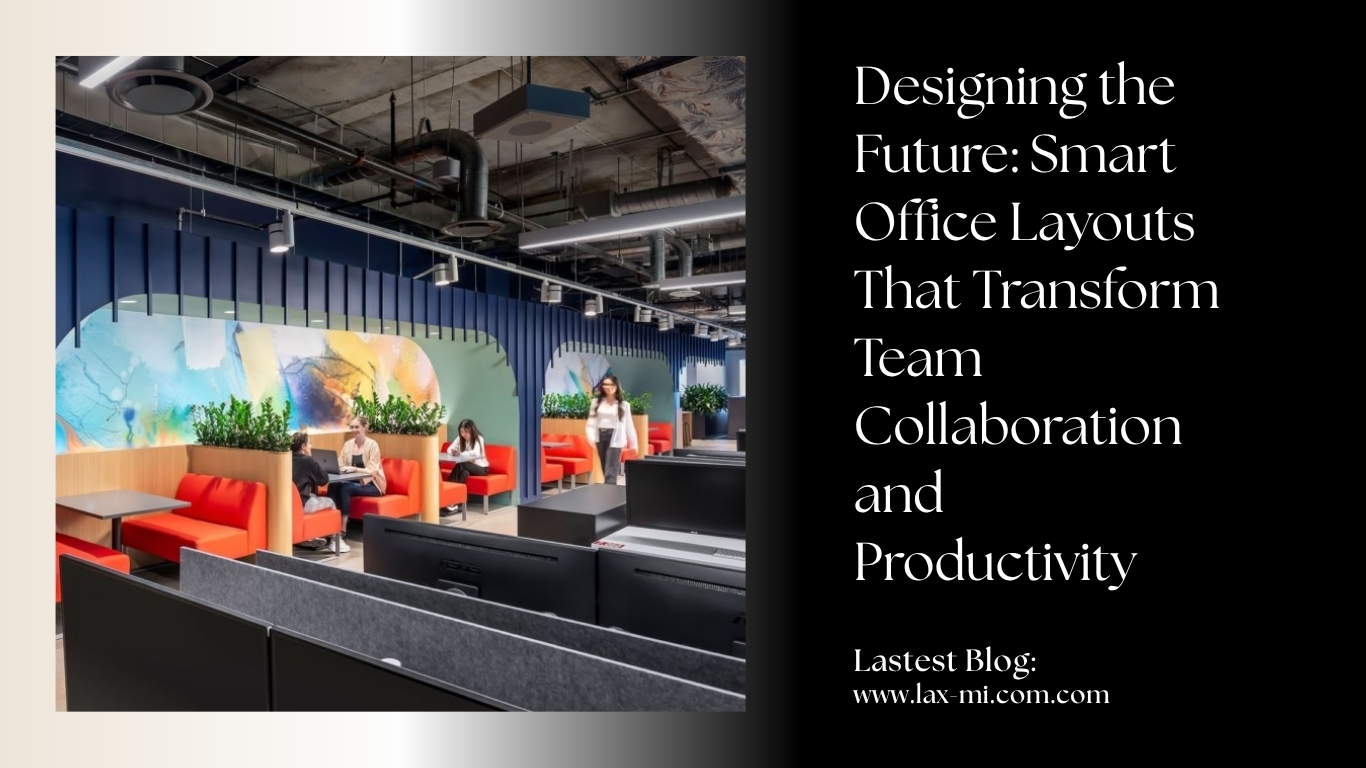
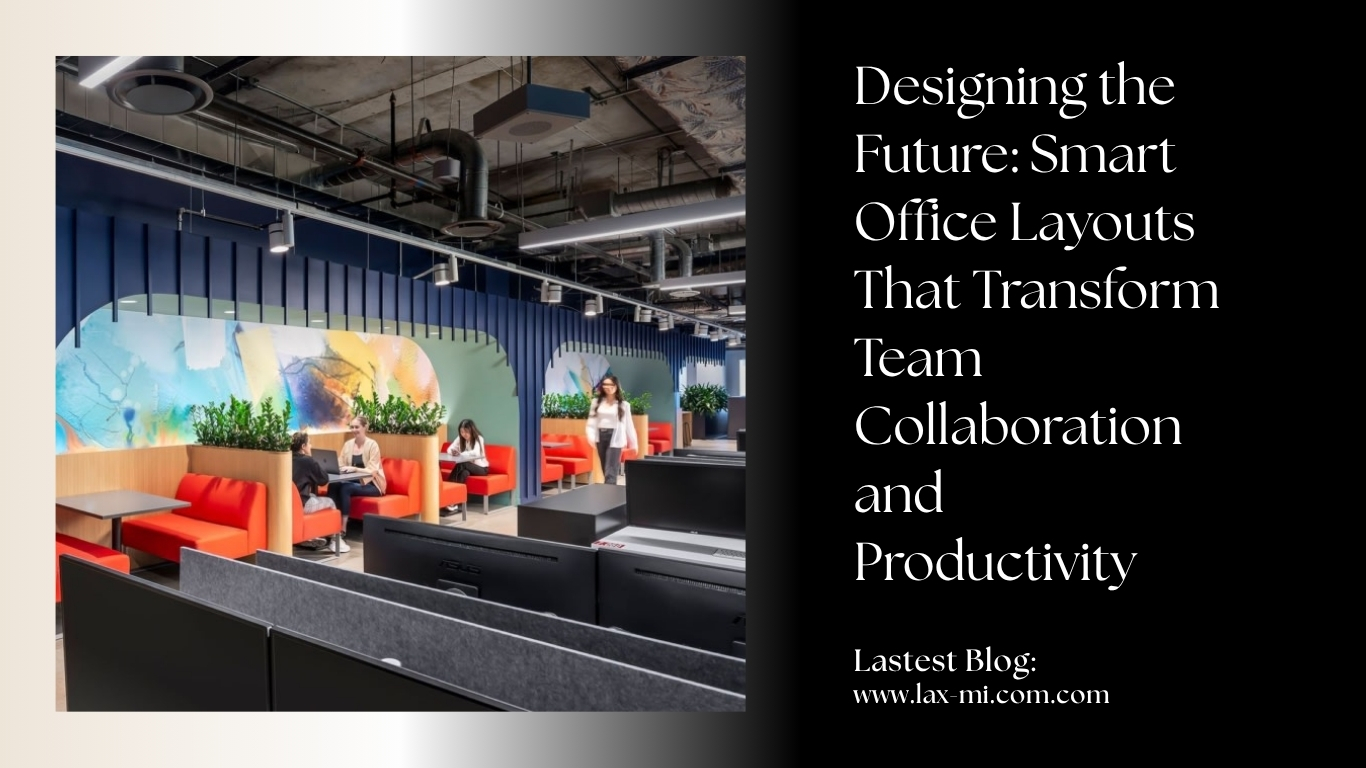
Collaboration hubs are dedicated spaces designed for teamwork. These areas often include comfortable seating, writable walls, and creative tools.
Such spaces encourage brainstorming and innovation. Teams can gather informally and share ideas without restrictions. The relaxed environment helps employees think more freely.
Furthermore, collaboration hubs promote cross-functional interaction. Employees from different departments can work together, leading to fresh perspectives and better solutions. This makes them an essential component of Smart Office Layouts for Better Team Collaboration.
Balancing Privacy and Openness
While collaboration is important, employees also need privacy. Smart office layouts strike a balance between openness and personal space.
Private pods and quiet rooms provide areas for focused work. These spaces help employees concentrate without distractions. At the same time, open areas encourage teamwork and communication.
This balance ensures that employees can switch between collaborative and individual tasks seamlessly. As a result, productivity improves, and employees feel more satisfied with their work environment.
Ergonomic Design for Employee Well-Being
Employee well-being plays a crucial role in workplace productivity. Smart office layouts incorporate ergonomic design to ensure comfort and health.
Adjustable chairs, sit-stand desks, and proper lighting reduce physical strain. These features help prevent common workplace issues such as back pain and eye fatigue.
Moreover, comfortable employees are more likely to collaborate effectively. They feel more energized and engaged, which enhances team performance. Therefore, ergonomic design is an essential element of modern office layouts.
The Impact of Natural Elements on Collaboration
Nature-inspired design has become a significant trend in office layouts. Incorporating natural elements can improve mood and productivity.
Large windows, indoor plants, and natural materials create a calming environment. These features reduce stress and enhance creativity. Employees feel more relaxed, which encourages open communication.
Additionally, natural light improves focus and energy levels. This makes it easier for teams to collaborate effectively throughout the day.
Smart Storage Solutions for Organized Workspaces
Clutter can disrupt productivity and hinder collaboration. Smart office layouts include efficient storage solutions to keep spaces organized.
Built-in cabinets, modular storage units, and digital document management systems help reduce clutter. Employees can easily access the resources they need without wasting time.
An organized workspace also creates a positive impression. It reflects professionalism and enhances team efficiency. Therefore, smart storage solutions are a vital part of modern office design.
Breakout Spaces That Foster Informal Interaction
Informal interactions often lead to valuable ideas. Breakout spaces provide areas where employees can relax and connect casually.
These spaces may include lounges, coffee areas, or game zones. They encourage employees to take short breaks and recharge.
Moreover, casual conversations in these areas can spark creativity. Employees feel more comfortable sharing ideas outside formal settings. This contributes to better teamwork and innovation.
Acoustic Design for Better Communication
Noise management is essential in collaborative workspaces. Poor acoustics can disrupt communication and reduce productivity.
Smart office layouts use acoustic panels, carpets, and soundproof partitions to control noise levels. These features create a comfortable environment for both collaboration and focused work.
Effective acoustic design ensures that conversations remain clear without disturbing others. This balance is crucial for maintaining productivity in open office layouts.
Sustainable Design in Smart Offices
Sustainability is becoming a priority for modern businesses. Smart office layouts incorporate eco-friendly practices to reduce environmental impact.
Energy-efficient lighting, recycled materials, and green building designs contribute to sustainability. These features also reduce operational costs.
Additionally, sustainable offices create a positive work environment. Employees feel proud to work in organizations that prioritize environmental responsibility. This improves morale and encourages teamwork.
Future Trends in Smart Office Layouts
The future of office design continues to evolve. Emerging trends focus on enhancing flexibility, technology, and employee experience.
Hybrid work models are influencing office layouts. Companies are designing spaces that support both in-office and remote collaboration. Advanced technologies such as AI and IoT are making offices smarter and more efficient.
Furthermore, personalization is gaining importance. Employees want workspaces that reflect their preferences and needs. By embracing these trends, organizations can create workplaces that truly support collaboration and innovation.
Conclusion
Smart office design is no longer a luxury; it is a necessity. Businesses that invest in Smart Office Layouts for Better Team Collaboration gain a competitive advantage. They create environments where employees can communicate freely, share ideas, and work efficiently.
From open workspaces to collaboration hubs, every element plays a role in shaping team dynamics. Technology, flexibility, and employee well-being further enhance the effectiveness of these layouts. Moreover, balancing collaboration with privacy ensures that employees can perform at their best.
As workplaces continue to evolve, smart office layouts will remain a key factor in organizational success. Companies that prioritize thoughtful design will not only improve productivity but also foster a culture of innovation and teamwork.