Design That Sells: Modern QSR Layouts That Drive Revenue and Customer Delight
In today’s fast-moving food industry, quick service restaurants (QSRs) must do more than serve delicious food. They need to deliver speed, comfort, and convenience in every interaction. Customers no longer visit just for a meal. Instead, they seek a seamless experience that feels intuitive from entry to exit. This is where modern QSR layouts play a powerful role. A well-planned layout can directly influence how customers move, order, dine, and return. It can quietly guide behavior while improving efficiency behind the scenes.
Modern QSR layouts that increase sales focus on both psychology and practicality. They blend smart design with operational flow. As a result, they reduce wait times, improve order accuracy, and enhance customer satisfaction. Moreover, they create an inviting atmosphere that encourages repeat visits. In contrast, a poorly designed layout can slow down service, frustrate guests, and limit revenue potential.
This blog explores how thoughtful layout design can transform a QSR into a high-performing space. It highlights essential elements, innovative trends, and proven strategies that help maximize sales. Each section dives deep into practical insights while maintaining clarity and readability. By the end, you will understand how layout decisions impact customer behavior and business growth.
The Power of First Impressions in QSR Design
First impressions often decide whether a customer stays or leaves. When someone walks into a QSR, they instantly judge the space. Cleanliness, lighting, and layout clarity shape their perception within seconds. Therefore, the entrance area must feel open and welcoming.
A clear line of sight to the ordering counter reduces confusion. Customers should not hesitate about where to go next. Instead, they should feel guided naturally. Modern QSR layouts that increase sales use visual cues like lighting, signage, and flooring patterns to direct movement.
Additionally, color schemes play an important role. Warm tones stimulate appetite, while neutral tones create balance. When combined thoughtfully, they create a pleasant dining atmosphere. Furthermore, uncluttered spaces improve comfort and reduce stress. Customers feel more relaxed and tend to spend more time and money.
Strategic Zoning for Better Flow
Zoning refers to dividing the restaurant into functional areas. These include ordering, waiting, dining, and pickup zones. Each zone must serve a clear purpose while connecting smoothly with others.
Modern QSR layouts that increase sales prioritize efficient zoning. The ordering zone should remain easily accessible from the entrance. Meanwhile, the waiting area must not block incoming customers. A smooth transition between zones prevents bottlenecks.
For example, placing the pickup counter away from the ordering line reduces congestion. Customers who have already ordered can collect food without interfering with new orders. As a result, service becomes faster and more organized.
Moreover, separating dine-in and takeaway areas helps manage crowd flow. This approach ensures that each customer group enjoys a tailored experience.
Optimizing the Ordering Experience
The ordering process stands at the core of every QSR. A smooth ordering experience increases customer satisfaction and boosts sales. Therefore, layout design must support speed and clarity.
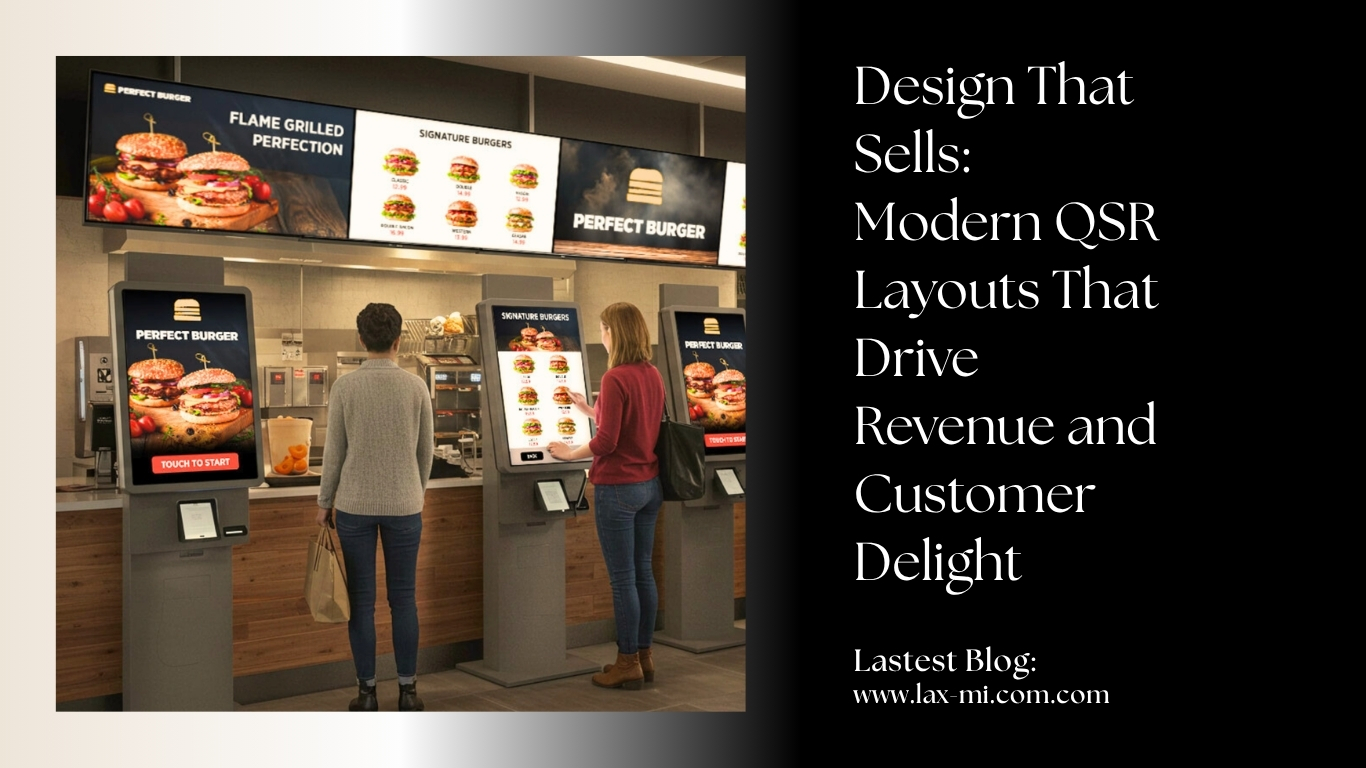
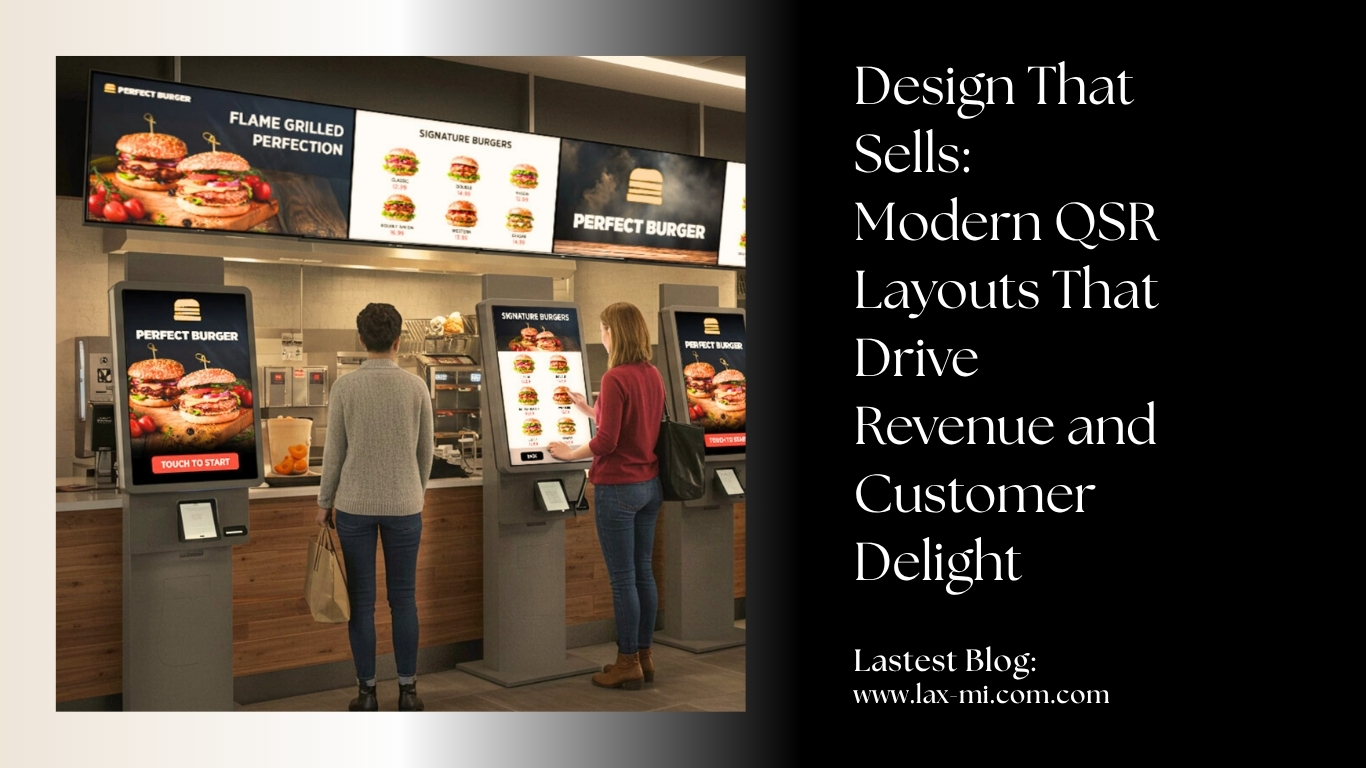
Digital kiosks have become a key feature in modern QSR layouts. They reduce queue length and allow customers to customize orders easily. Additionally, they free up staff to focus on food preparation and service.
Menu boards should remain visible and easy to read. Clear typography and simple layouts help customers decide quickly. When customers spend less time choosing, the overall service speed improves.
Furthermore, placing impulse purchase items near the counter can increase average order value. Items like desserts or beverages often attract last-minute additions. This strategy works effectively when integrated naturally into the layout.
Kitchen Layout and Operational Efficiency
Behind the counter, the kitchen layout plays a crucial role. It must support fast and efficient food preparation. Every second saved in the kitchen translates into faster service.
Modern QSR layouts that increase sales use streamlined kitchen designs. Workstations follow a logical sequence from preparation to assembly. This reduces unnecessary movement and improves productivity.
Open kitchens also add value. They allow customers to see food preparation, which builds trust. Transparency enhances brand perception and encourages repeat visits.
Additionally, proper ventilation and equipment placement improve staff comfort. When employees work in a well-designed space, they perform better. As a result, service quality improves, and customer satisfaction rises.
Seating Design That Encourages Turnover
Seating design influences how long customers stay. While comfort matters, excessive comfort can reduce table turnover. Therefore, balance becomes essential.
Modern QSR layouts use a mix of seating options. These include high stools, communal tables, and compact booths. Each option serves a different customer need.
High stools work well for quick meals. They encourage faster turnover without compromising comfort. On the other hand, booths offer a slightly longer dining experience for groups.
Moreover, flexible seating arrangements allow quick reconfiguration during peak hours. This adaptability helps accommodate varying customer volumes. As a result, the restaurant maximizes its seating capacity efficiently.
Lighting as a Sales Driver
Lighting affects mood, perception, and behavior. Bright lighting in ordering areas improves visibility and speeds up decisions. Meanwhile, softer lighting in dining areas creates a relaxed atmosphere.
Modern QSR layouts that increase sales use layered lighting techniques. These include ambient, task, and accent lighting. Each type serves a specific purpose.
For example, accent lighting can highlight menu boards or featured products. This draws attention and encourages purchases. Similarly, well-lit food displays enhance visual appeal and stimulate appetite.
Natural light also plays a vital role. Large windows create an open and inviting environment. They make the space feel larger and more welcoming.
Technology Integration in Layout Design
Technology has reshaped QSR operations. From digital menus to mobile ordering, it influences how customers interact with the space.
Modern QSR layouts incorporate technology seamlessly. Charging stations, self-order kiosks, and app-based pickup zones enhance convenience. These features cater to tech-savvy customers and improve efficiency.
Dedicated pickup shelves for online orders reduce waiting time. Customers can quickly grab their orders without standing in line. This improves overall flow and reduces congestion.
Moreover, digital displays allow easy menu updates. Restaurants can promote special offers or seasonal items instantly. This flexibility helps increase sales and engagement.
Drive-Thru Optimization for Maximum Revenue
Drive-thrus contribute significantly to QSR revenue. Therefore, their layout must support speed and accuracy.
Modern QSR layouts that increase sales design drive-thrus with multiple lanes. Dual-lane ordering systems reduce wait times during peak hours. Clear signage ensures smooth navigation.
Additionally, digital menu boards at drive-thrus improve order accuracy. Customers can view options clearly before ordering. This reduces errors and enhances satisfaction.
Efficient communication systems between staff also play a role. Quick coordination ensures faster service and higher throughput.
Branding Through Interior Design
Interior design communicates brand identity. Every element, from furniture to wall art, reflects the brand’s personality.
Modern QSR layouts use consistent design themes. Colors, materials, and textures align with the brand message. This creates a memorable experience for customers.
For instance, a modern and minimal design appeals to younger audiences. Meanwhile, warm and rustic interiors create a cozy feel. Each choice influences customer perception and behavior.
Branding elements should remain subtle yet impactful. Overcrowding the space with visuals can create confusion. Instead, a clean and cohesive design enhances appeal.
The Role of Cleanliness and Maintenance
Cleanliness directly affects customer trust. A well-maintained space encourages repeat visits. Therefore, layout design must support easy cleaning and maintenance.
Modern QSR layouts use durable materials that resist wear and tear. Easy-to-clean surfaces reduce maintenance time. This ensures the restaurant always looks fresh and inviting.
Additionally, placing waste bins strategically helps maintain hygiene. Customers can dispose of waste easily without disrupting flow.
Regular maintenance also keeps equipment functioning efficiently. This prevents delays and ensures smooth operations.
Creating Instagram-Worthy Spaces
Social media plays a major role in marketing. Customers often share their dining experiences online. Therefore, creating visually appealing spaces can boost brand visibility.
Modern QSR layouts that increase sales include Instagram-worthy elements. These may include feature walls, unique lighting, or artistic decor. Such elements encourage customers to take photos and share them.
User-generated content acts as free marketing. It attracts new customers and builds brand awareness. As a result, the restaurant gains more visibility without additional cost.
Space Utilization and Cost Efficiency
Efficient space utilization reduces operational costs. Every square foot should contribute to revenue generation.
Modern QSR layouts focus on maximizing usable space. Compact furniture, vertical storage, and multi-functional areas improve efficiency. This approach ensures optimal use of available space.
Additionally, reducing unused areas lowers rent and maintenance costs. This directly impacts profitability. A well-designed layout balances functionality with cost efficiency.
Customer Psychology and Behavior
Understanding customer behavior helps design effective layouts. People prefer spaces that feel intuitive and comfortable.
Modern QSR layouts guide movement naturally. Clear pathways reduce confusion and improve flow. Customers can navigate the space بسهولة without assistance.
Moreover, strategic placement of menu boards and counters influences decisions. Customers tend to choose items that are easy to see. Therefore, visibility plays a key role in sales.
Comfortable environments also encourage repeat visits. When customers feel valued, they return more often.
Sustainability in QSR Layouts
Sustainability has become a priority in modern design. Eco-friendly layouts attract environmentally conscious customers.
Modern QSR layouts that increase sales incorporate sustainable materials. Energy-efficient lighting and equipment reduce operational costs. This benefits both the environment and the business.
Additionally, waste management systems improve efficiency. Recycling stations encourage responsible disposal.
Sustainable practices also enhance brand reputation. Customers appreciate businesses that care about the environment.
Conclusion
Modern QSR layouts that increase sales combine design, technology, and psychology. They create spaces that feel intuitive, efficient, and inviting. Every element, from entrance to kitchen, plays a role in shaping the customer experience.
A well-designed layout improves flow, reduces wait times, and enhances satisfaction. It encourages customers to spend more while ensuring they return. At the same time, it supports staff efficiency and reduces operational challenges.
As competition grows, QSRs must focus on creating smart and adaptable spaces. Investing in thoughtful layout design is not just an aesthetic decision. It is a strategic move that directly impacts revenue and growth.
By embracing modern design principles, QSRs can transform their spaces into powerful tools for success.