The Art of Opulence: Transforming Spaces with Luxury Retail Store Interior Design Concepts
Luxury retail does not simply sell products; it delivers an experience that stays with customers long after they leave the store. Today, shoppers expect more than shelves and displays. They look for immersive environments that reflect elegance, exclusivity, and attention to detail. Therefore, luxury retail store interior design concepts have become a powerful tool for brands to communicate their identity and build emotional connections.
Moreover, the modern retail landscape continues to evolve. While online shopping grows rapidly, physical stores must offer something unique to stay relevant. As a result, luxury brands invest heavily in creating visually stunning interiors that attract, engage, and inspire customers. These spaces act as silent storytellers, guiding visitors through a curated journey of sophistication and refinement.
In this blog, you will explore how luxury retail store interior design concepts shape unforgettable experiences. You will also discover essential elements, trends, and strategies that define high-end retail spaces. Each section provides detailed insights to help you understand how design influences customer behavior and brand perception.
Crafting a Strong Brand Identity Through Design
Luxury retail begins with identity. Every design decision should reflect the brand’s core values and personality. For instance, a high-end fashion label often uses minimalist layouts to highlight exclusivity, while a premium jewelry store focuses on intricate detailing to emphasize craftsmanship.
Additionally, consistency plays a crucial role. Designers ensure that every element, from lighting to materials, aligns with the brand story. This approach creates a seamless experience across all touchpoints. Customers instantly recognize the brand when they step inside.
Furthermore, color palettes define the emotional tone of the space. Neutral tones convey elegance, while bold accents create drama and attention. By combining textures, finishes, and materials, designers establish a distinct visual language that resonates with the target audience.
Strategic Space Planning for Premium Experiences
Space planning determines how customers move through the store. In luxury retail, the layout must feel open, inviting, and intuitive. Designers avoid clutter and prioritize breathing space to enhance the shopping experience.
Moreover, zoning plays a key role. Different sections of the store highlight specific product categories or collections. Each zone tells its own story while contributing to the overall narrative. This structured approach ensures clarity without overwhelming the customer.
Flow also matters. Customers should navigate the space effortlessly. Designers often use subtle cues like lighting and flooring patterns to guide movement. As a result, visitors naturally explore the store, increasing engagement and dwell time.
The Role of Lighting in Elevating Ambience
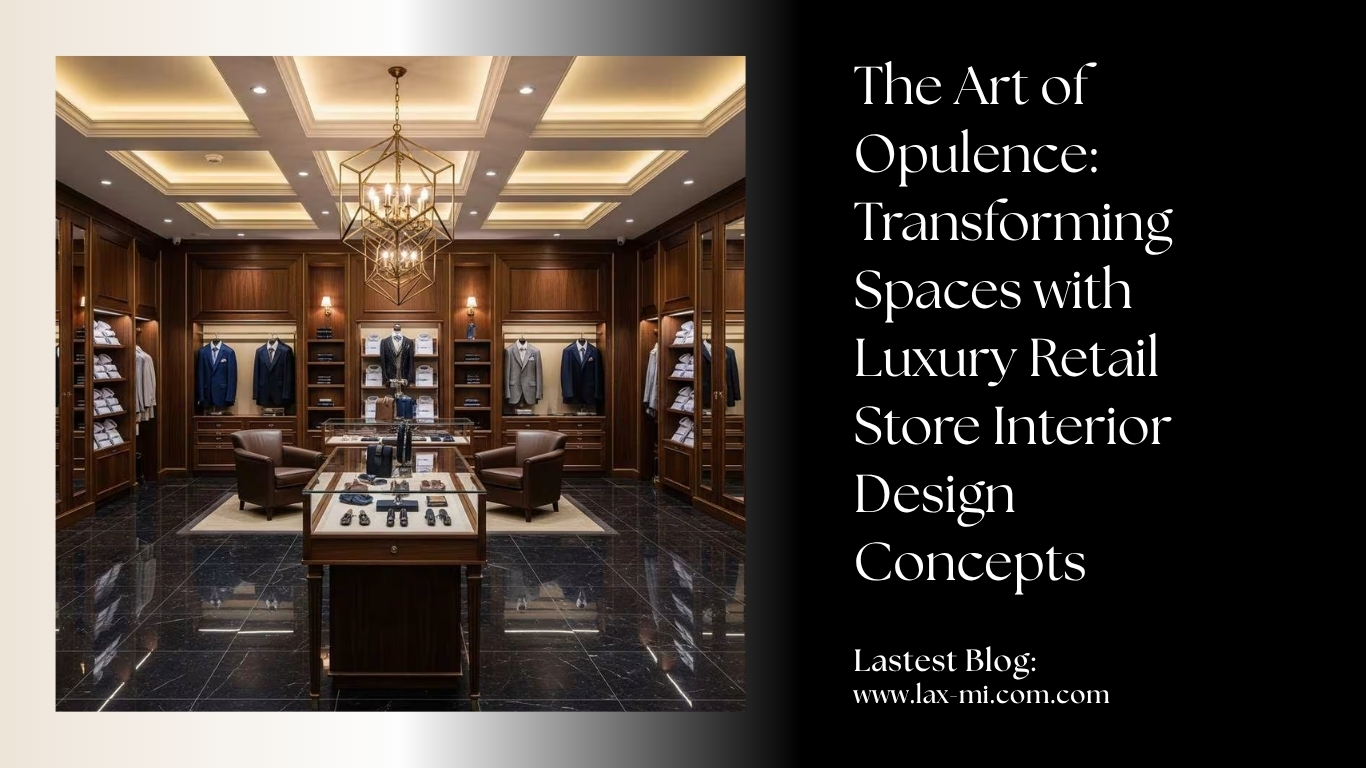
Lighting transforms a retail space from ordinary to extraordinary. In luxury retail store interior design concepts, lighting does more than illuminate products. It creates mood, highlights details, and enhances visual appeal.
For example, warm lighting adds a sense of comfort and intimacy. On the other hand, focused spotlights draw attention to premium products. Layered lighting techniques combine ambient, task, and accent lighting to achieve depth and dimension.
Additionally, natural light enhances authenticity. Large windows and skylights bring in daylight, making the space feel open and inviting. Designers balance artificial and natural lighting to maintain consistency throughout the day.
High-End Materials and Finishes
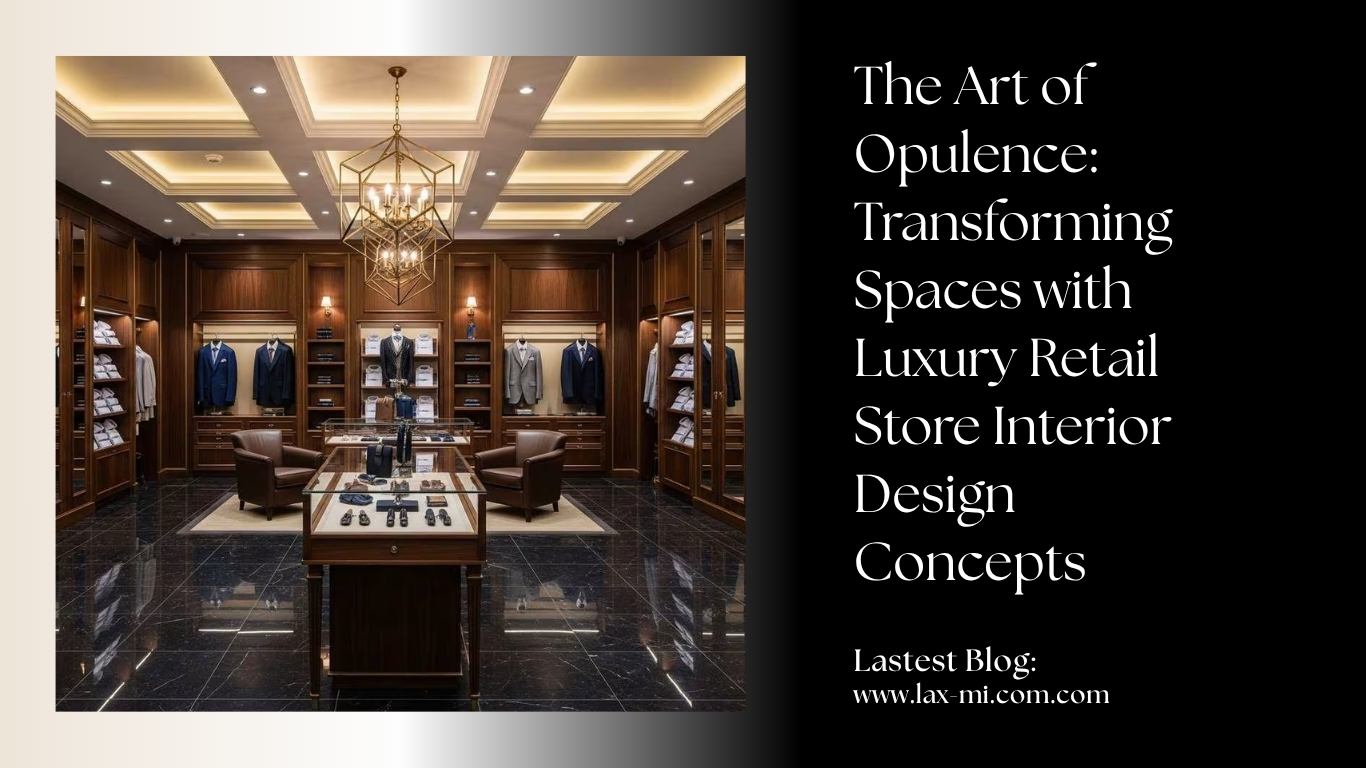
Materials define luxury. Designers carefully select premium materials to create a tactile and visual impact. Marble, glass, polished metals, and rich wood finishes often dominate luxury retail interiors.
Moreover, textures add depth and interest. Smooth surfaces contrast with textured elements to create a dynamic environment. These combinations enhance the sensory experience, making the store memorable.
Durability also matters. High-quality materials not only look elegant but also withstand heavy foot traffic. This ensures that the store maintains its pristine appearance over time.
Visual Merchandising as a Storytelling Tool
Visual merchandising plays a central role in luxury retail. It transforms products into experiences by presenting them in a curated and artistic manner. Each display tells a story that aligns with the brand identity.
Additionally, designers focus on balance and composition. They arrange products to create visual harmony and draw attention to key items. Strategic placement ensures that customers notice premium offerings first.
Seasonal displays also keep the store fresh and engaging. By updating visuals regularly, brands maintain customer interest and encourage repeat visits.
Incorporating Technology for Modern Appeal
Technology enhances the luxury retail experience. Interactive displays, digital screens, and smart mirrors provide convenience and engagement. These features blend innovation with elegance.
Moreover, technology personalizes the shopping journey. For example, digital tools recommend products based on customer preferences. This creates a tailored experience that feels exclusive and thoughtful.
However, designers integrate technology subtly. It should complement the design rather than dominate it. The goal remains to maintain a refined and sophisticated environment.
Creating Emotional Connections Through Design
Luxury retail spaces aim to evoke emotions. Designers use elements like lighting, color, and layout to create a specific mood. This emotional connection influences customer decisions and brand loyalty.
For instance, soft lighting and plush seating create a sense of comfort. Meanwhile, dramatic displays evoke excitement and curiosity. By understanding customer psychology, designers craft spaces that resonate deeply.
Additionally, storytelling enhances emotional engagement. Every detail contributes to a narrative that customers can relate to and remember.
The Importance of Exclusivity and Privacy
Luxury customers value privacy. Therefore, designers incorporate private areas within the store. These spaces allow customers to explore products without distractions.
Moreover, VIP lounges and personalized service areas enhance the sense of exclusivity. Customers feel valued and appreciated when they receive special attention.
Controlled access also adds to the experience. Limited entry or appointment-based visits create a sense of rarity and prestige.
Sensory Design for Immersive Experiences
Luxury retail design engages all senses. Beyond visual appeal, designers consider sound, scent, and touch. This multi-sensory approach creates a holistic experience.
For example, subtle background music sets the tone. Signature scents enhance brand identity and create lasting impressions. Textured materials invite customers to interact with products.
Together, these elements create a cohesive and immersive environment that elevates the shopping experience.
Sustainability in Luxury Retail Design
Sustainability has become a priority in luxury retail. Brands now focus on eco-friendly materials and energy-efficient solutions. This shift reflects changing consumer values.
Moreover, sustainable design does not compromise aesthetics. Designers create elegant spaces using recycled materials and innovative techniques. This approach combines luxury with responsibility.
Green certifications and sustainable practices also enhance brand reputation. Customers appreciate brands that prioritize environmental impact.
Minimalism Meets Luxury
Minimalism defines modern luxury. Clean lines, uncluttered spaces, and simple forms create a sense of sophistication. This approach allows products to take center stage.
Additionally, minimalism enhances clarity. Customers can focus on details without distractions. The result is a refined and elegant environment.
However, designers balance simplicity with richness. Subtle textures and premium materials add depth without overwhelming the space.
Custom Furniture and Fixtures
Custom-designed furniture adds uniqueness to luxury retail spaces. Designers create bespoke pieces that align with the brand identity. These elements enhance the overall aesthetic.
Moreover, functionality remains essential. Furniture should support the shopping experience while maintaining elegance. Comfortable seating and well-designed displays improve customer interaction.
Attention to detail sets luxury interiors apart. Every fixture contributes to the overall design narrative.
Window Displays That Capture Attention
Window displays serve as the first point of interaction. They attract customers and create curiosity. In luxury retail, these displays act as artistic installations.
Designers use creative concepts, lighting, and props to create striking visuals. These displays often change frequently to reflect new collections or themes.
An impactful window display sets the tone for the entire store. It invites customers to step inside and explore further.
Blending Art and Retail
Art enhances luxury retail interiors. Sculptures, paintings, and installations add cultural value and sophistication. These elements elevate the overall ambiance.
Moreover, art creates a unique identity. Each piece contributes to the store’s narrative and distinguishes it from competitors.
Collaborations with artists also bring fresh perspectives. This approach keeps the design innovative and engaging.
Conclusion
Luxury retail store interior design concepts go far beyond aesthetics. They create experiences that define how customers perceive and interact with a brand. From space planning to sensory design, every element plays a crucial role in shaping the journey.
As retail continues to evolve, the importance of design will only grow. Brands must adapt to changing expectations while maintaining their identity. By focusing on innovation, quality, and storytelling, luxury retail spaces can remain relevant and impactful.
Ultimately, a well-designed luxury store does not just showcase products. It creates memories, builds connections, and leaves a lasting impression. That is the true essence of luxury retail design.