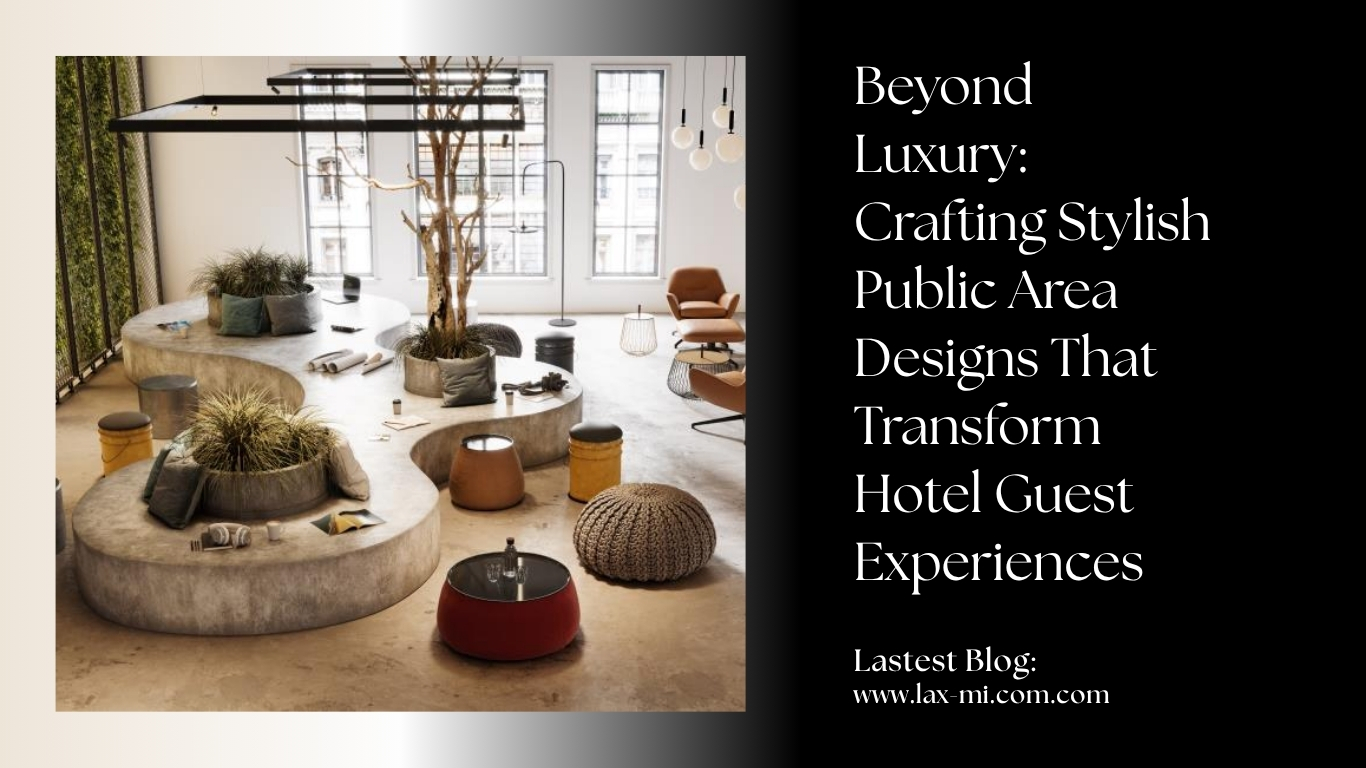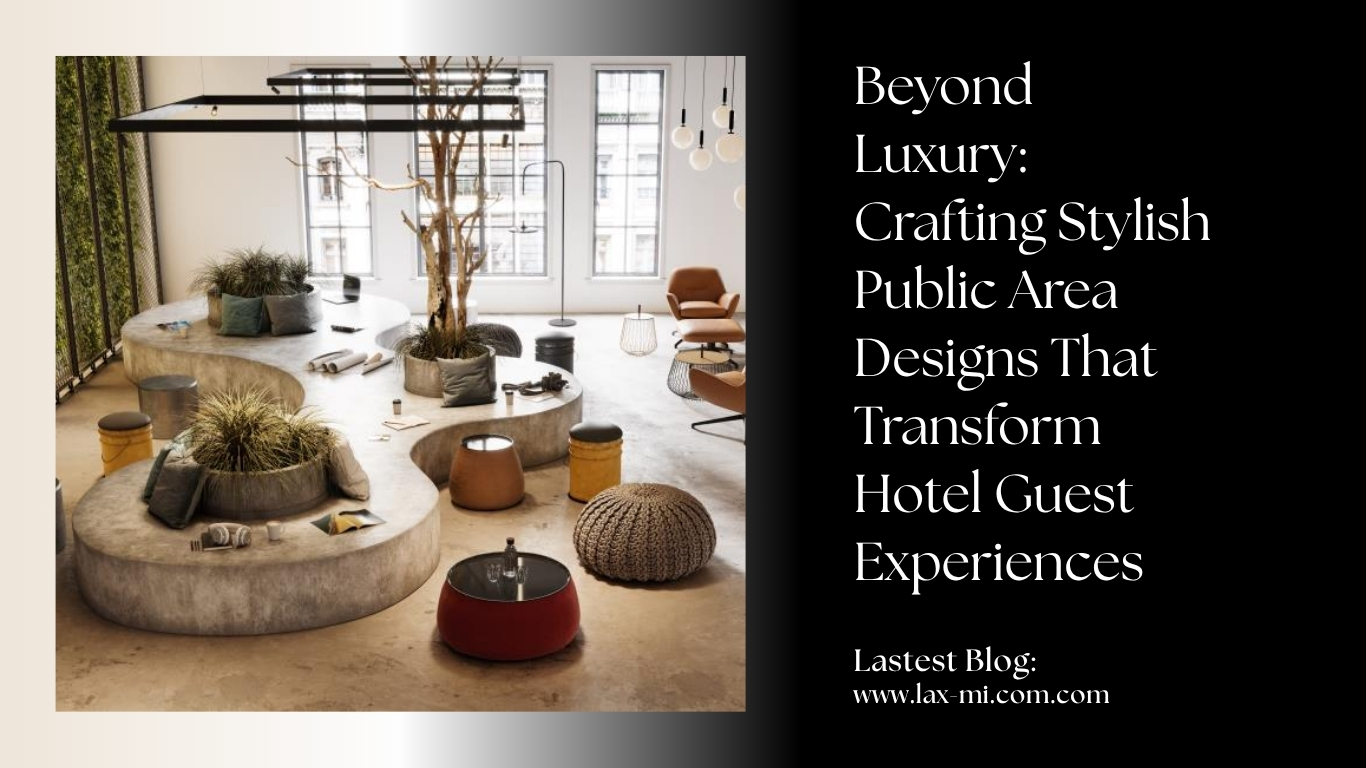
Beyond Luxury: Crafting Stylish Public Area Designs That Transform Hotel Guest Experiences
Hotels no longer succeed by offering comfortable rooms alone. Today, guests expect immersive environments that begin the moment they step into a property. Public areas—lobbies, lounges, corridors, restaurants, and recreational zones—shape those first impressions. More importantly, they influence how guests feel, interact, and remember their stay. Therefore, stylish public area designs have become a powerful tool to elevate the overall hotel guest experience.
Modern travelers seek more than functionality. They look for aesthetics, comfort, personalization, and social engagement. As a result, hotel designers now focus on blending creativity with purpose. From lighting choices to spatial flow, every element contributes to the story a hotel tells. When executed thoughtfully, public spaces become vibrant hubs rather than transitional zones.
This blog explores how stylish public area designs enhance hotel guest experiences. It highlights design strategies, emerging trends, and practical insights that hospitality businesses can adopt. Each section dives deep into specific aspects, ensuring a comprehensive understanding of how design transforms perception and satisfaction.
The Power of First Impressions in Hotel Public Spaces
First impressions set the tone for the entire guest journey. When guests walk into a hotel, they instantly form opinions based on visual appeal, ambiance, and layout. Therefore, public area design must capture attention while offering clarity and comfort.
A well-designed entrance creates anticipation. High ceilings, artistic installations, and balanced lighting can instantly communicate luxury and professionalism. Moreover, cohesive color palettes and textures establish a brand identity that guests remember.
Additionally, spatial organization plays a crucial role. Guests should navigate easily without confusion. Clear pathways, intuitive layouts, and strategic placement of key areas ensure a seamless experience. As a result, guests feel relaxed rather than overwhelmed.
Furthermore, sensory elements enhance the impact. Soft background music, pleasant fragrances, and comfortable temperatures contribute to a welcoming atmosphere. These subtle details often leave lasting impressions, even if guests do not consciously notice them.
Ultimately, first impressions determine whether guests feel valued. Stylish public area designs ensure that this initial interaction becomes memorable and positive.
Creating Inviting Lobby Spaces That Encourage Interaction
The lobby serves as the heart of a hotel. It acts as a meeting point, waiting area, and social hub. Therefore, its design must balance aesthetics with functionality.
Modern lobbies embrace openness and flexibility. Instead of rigid seating arrangements, designers incorporate varied seating styles. Sofas, armchairs, communal tables, and private corners cater to different guest preferences. Consequently, guests can choose spaces that suit their needs.
Moreover, integrating technology enhances convenience. Digital check-in kiosks, charging stations, and smart lighting systems improve efficiency without compromising style. At the same time, these features appeal to tech-savvy travelers.
Additionally, incorporating local culture adds authenticity. Artwork, materials, and design motifs inspired by the region create a unique identity. Guests appreciate spaces that reflect the destination rather than generic designs.
Lighting also plays a vital role. Layered lighting—combining ambient, task, and accent lighting—creates depth and warmth. It highlights architectural features while ensuring comfort.
In essence, inviting lobby spaces encourage guests to linger, interact, and enjoy their surroundings. This approach transforms the lobby into a dynamic experience rather than a functional necessity.
The Role of Lighting in Enhancing Public Area Aesthetics
Lighting defines how guests perceive a space. It influences mood, highlights design elements, and enhances functionality. Therefore, strategic lighting design remains essential in stylish public areas.
Natural light offers the most appealing effect. Large windows, skylights, and open layouts allow sunlight to fill spaces. This approach creates a sense of openness and energy. Moreover, it reduces reliance on artificial lighting during the day.
However, artificial lighting ensures consistency and control. Designers use layered lighting techniques to achieve balance. Ambient lighting provides overall illumination, while task lighting supports specific activities. Accent lighting, on the other hand, highlights artwork, textures, and architectural features.
Additionally, color temperature affects ambiance. Warm lighting creates a cozy and relaxing atmosphere, ideal for lounges and seating areas. Cooler tones suit workspaces and corridors where clarity is essential.
Smart lighting systems further enhance flexibility. Hotels can adjust brightness and color based on time of day or specific events. Consequently, spaces remain adaptable and dynamic.
Overall, effective lighting design elevates aesthetics while improving comfort. It ensures that public areas remain visually appealing and functional at all times.
Incorporating Comfortable Seating for Enhanced Guest Experience
Comfort remains a key factor in guest satisfaction. Public areas must offer seating that encourages relaxation without compromising style.
Ergonomic design plays a crucial role. Chairs and sofas should provide proper support while maintaining visual appeal. Additionally, varied seating options cater to different preferences. Some guests prefer plush sofas, while others choose structured chairs or bar seating.
Arrangement also influences comfort. Group seating encourages social interaction, whereas individual seating offers privacy. By combining both, hotels accommodate diverse needs.
Material selection further enhances comfort. Soft fabrics, high-quality upholstery, and durable finishes ensure longevity and appeal. Moreover, textures add depth and interest to the design.
Spacing remains equally important. Overcrowded areas can feel uncomfortable and chaotic. Therefore, designers must ensure adequate space between seating arrangements. This approach enhances movement and creates a sense of openness.
In conclusion, comfortable seating transforms public areas into welcoming environments. Guests feel encouraged to spend more time, which enhances their overall experience.
Blending Functionality with Aesthetic Appeal
Stylish design should never compromise functionality. Instead, both elements must work together seamlessly to enhance guest experience.
Functional design ensures efficiency. Clear signage, accessible pathways, and well-placed amenities improve usability. Guests should navigate spaces effortlessly without confusion.
At the same time, aesthetic appeal adds value. Color schemes, materials, and decorative elements create visual interest. When combined with functionality, they produce spaces that are both practical and beautiful.
Multi-functional spaces offer added benefits. For example, a lounge area can double as a co-working space during the day and a social hub in the evening. This flexibility maximizes utility while maintaining style.
Storage solutions also contribute to functionality. Hidden storage, integrated furniture, and smart layouts keep spaces organized. Consequently, public areas remain clutter-free and visually appealing.
Ultimately, blending functionality with aesthetics ensures that design serves both purpose and experience. This balance defines successful public area design.
The Impact of Color Schemes on Guest Perception
Color influences emotions and perceptions. Therefore, choosing the right color scheme becomes essential in public area design.
Warm colors like beige, gold, and earthy tones create a welcoming atmosphere. They evoke comfort and relaxation, making them ideal for lounges and lobbies. On the other hand, cool colors such as blue and grey convey calmness and sophistication.
Neutral palettes offer versatility. They provide a timeless base while allowing accent colors to stand out. Designers often use bold accents to add character without overwhelming the space.
Consistency also matters. A cohesive color scheme across public areas reinforces brand identity. Guests recognize and remember spaces that maintain visual harmony.
Moreover, cultural context influences color choices. Designers must consider local preferences and symbolism to create meaningful experiences.
In summary, thoughtful color schemes enhance ambiance and influence how guests feel within a space.
Integrating Art and Decor for a Unique Identity
Art and decor transform spaces into memorable experiences. They reflect a hotel’s personality and create visual interest.
Local artwork adds authenticity. Paintings, sculptures, and installations inspired by the region connect guests to the destination. This approach enhances cultural appreciation.
Statement pieces create focal points. Large artworks or unique installations draw attention and spark conversation. They also serve as visual anchors within the space.
Additionally, decor elements like rugs, cushions, and accessories add texture and depth. These details enrich the overall design without overwhelming it.
Rotating exhibits offer variety. Changing artwork periodically keeps spaces fresh and engaging for returning guests.
Ultimately, integrating art and decor ensures that public areas stand out. They create a lasting impression that guests remember long after their stay.
Enhancing Guest Flow Through Smart Layout Design
Efficient layouts improve movement and accessibility. Guests should navigate public areas without confusion or obstruction.
Zoning plays a crucial role. Designers divide spaces into functional zones such as seating, reception, and dining. Clear boundaries ensure organized flow while maintaining openness.
Pathways must remain unobstructed. Wide corridors and strategic furniture placement prevent congestion. As a result, guests move comfortably even during peak hours.
Visual cues guide movement. Flooring patterns, lighting, and signage help guests understand direction intuitively.
Accessibility also remains essential. Public areas must accommodate all guests, including those with mobility challenges. Ramps, elevators, and accessible seating ensure inclusivity.
In conclusion, smart layout design enhances efficiency and comfort. It ensures that public areas function seamlessly while maintaining style.
Incorporating Nature and Biophilic Design Elements
Nature-inspired design enhances well-being. Incorporating natural elements into public areas creates a calming and refreshing environment.
Plants serve as the most common feature. Indoor greenery improves air quality and adds visual appeal. Vertical gardens and potted plants bring life to spaces.
Natural materials further enhance the effect. Wood, stone, and organic textures create a connection with nature. These materials also add warmth and authenticity.
Water features provide sensory benefits. The sound of flowing water creates a soothing atmosphere. It enhances relaxation and reduces stress.
Natural light remains a key element. Large windows and open spaces allow sunlight to illuminate interiors. This approach boosts mood and energy levels.
Overall, biophilic design transforms public areas into peaceful environments. Guests feel rejuvenated and connected to nature.
Leveraging Technology for Modern Public Spaces
Technology enhances convenience and efficiency. Modern public areas integrate digital solutions without compromising design.
Smart check-in systems reduce waiting times. Guests can complete processes quickly and efficiently. This improves overall satisfaction.
Interactive displays provide information and entertainment. They guide guests while adding a modern touch.
Wi-Fi connectivity remains essential. High-speed internet ensures that guests stay connected. This feature becomes especially important for business travelers.
Automation further enhances experience. Smart lighting, climate control, and security systems improve comfort and safety.
Importantly, technology should remain subtle. It must blend seamlessly with design rather than dominate it.
In summary, leveraging technology ensures that public areas meet modern expectations while maintaining style.
Designing Social Spaces That Encourage Engagement
Social interaction enhances guest experience. Public areas should encourage connection and engagement.
Communal seating fosters interaction. Large tables and shared spaces bring guests together. These areas work well for both leisure and business travelers.
Event spaces add value. Hosting live music, exhibitions, or workshops creates dynamic environments. Guests enjoy unique experiences beyond accommodation.
Flexible layouts support different activities. Spaces can adapt to various events and gatherings. This versatility increases usability.
Atmosphere plays a key role. Lighting, music, and decor influence how guests interact. A lively yet comfortable environment encourages participation.
Ultimately, social spaces create memorable experiences. They transform hotels into vibrant communities.
Maintaining Cleanliness and Durability in Design
Design must consider maintenance and durability. Public areas experience high traffic, so materials should withstand wear and tear.
Durable materials ensure longevity. High-quality flooring, furniture, and finishes reduce maintenance costs. They also maintain appearance over time.
Easy-to-clean surfaces enhance hygiene. This factor becomes especially important in high-touch areas.
Regular maintenance preserves design integrity. Cleaning schedules and upkeep ensure that spaces remain appealing.
Design should also minimize clutter. Organized layouts reduce cleaning effort and maintain aesthetics.
In conclusion, durability and cleanliness support long-term success. They ensure that stylish designs remain effective and appealing.
Sustainability in Modern Public Area Design
Sustainability has become a priority in hospitality design. Hotels must adopt eco-friendly practices without compromising style.
Energy-efficient lighting reduces consumption. LED systems and smart controls minimize waste.
Sustainable materials offer environmental benefits. Recycled and locally sourced materials reduce carbon footprint.
Water conservation systems enhance efficiency. Low-flow fixtures and recycling systems support sustainability goals.
Green certifications add value. They attract environmentally conscious guests and improve brand reputation.
Ultimately, sustainable design aligns with modern expectations. It ensures responsible and stylish public spaces.
Conclusion
Stylish public area designs play a crucial role in shaping hotel guest experiences. They influence first impressions, enhance comfort, and create memorable environments. By combining aesthetics with functionality, hotels can transform ordinary spaces into extraordinary experiences.
From lighting and seating to technology and sustainability, every element contributes to the overall impact. Thoughtful design ensures that guests feel welcomed, engaged, and valued throughout their stay.
As competition in the hospitality industry continues to grow, investing in public area design becomes essential. Hotels that prioritize style, comfort, and innovation will stand out and succeed. Ultimately, well-designed public spaces do more than impress—they create lasting connections with guests.