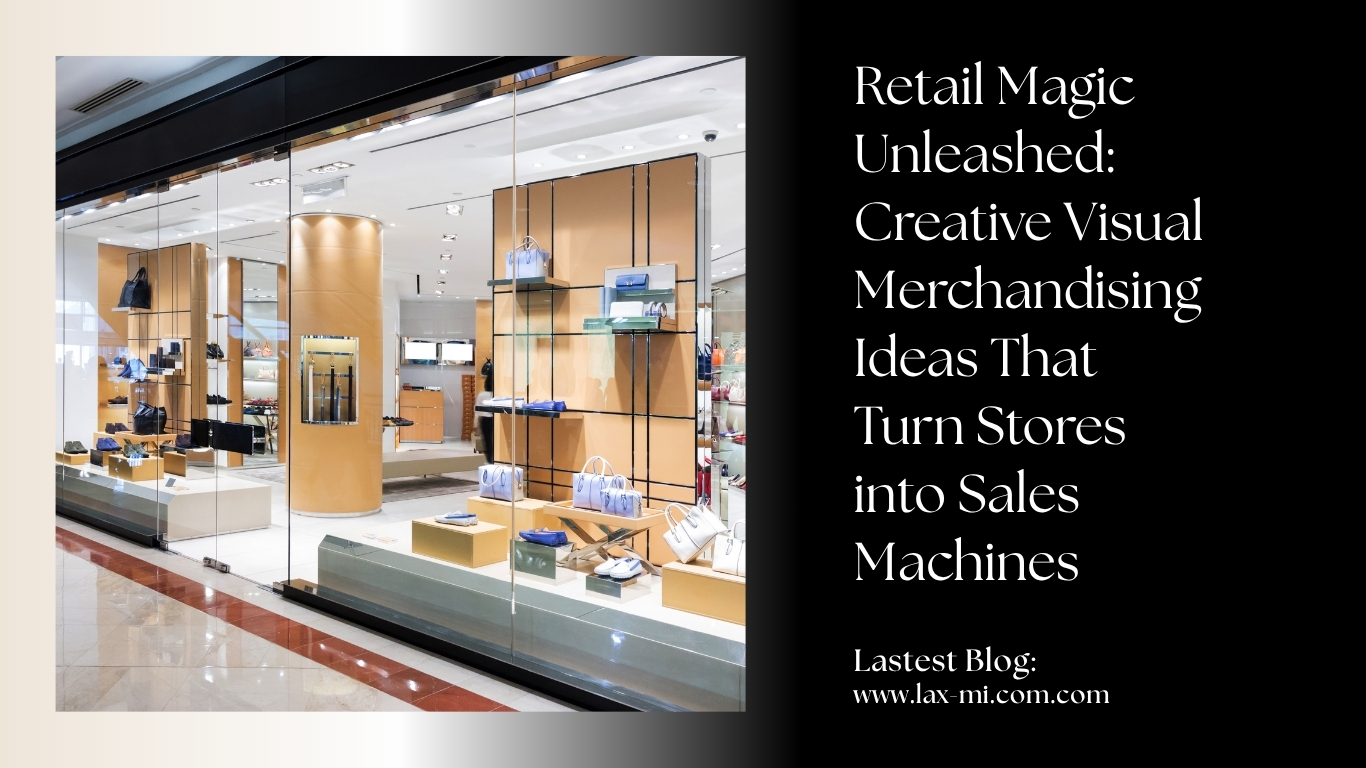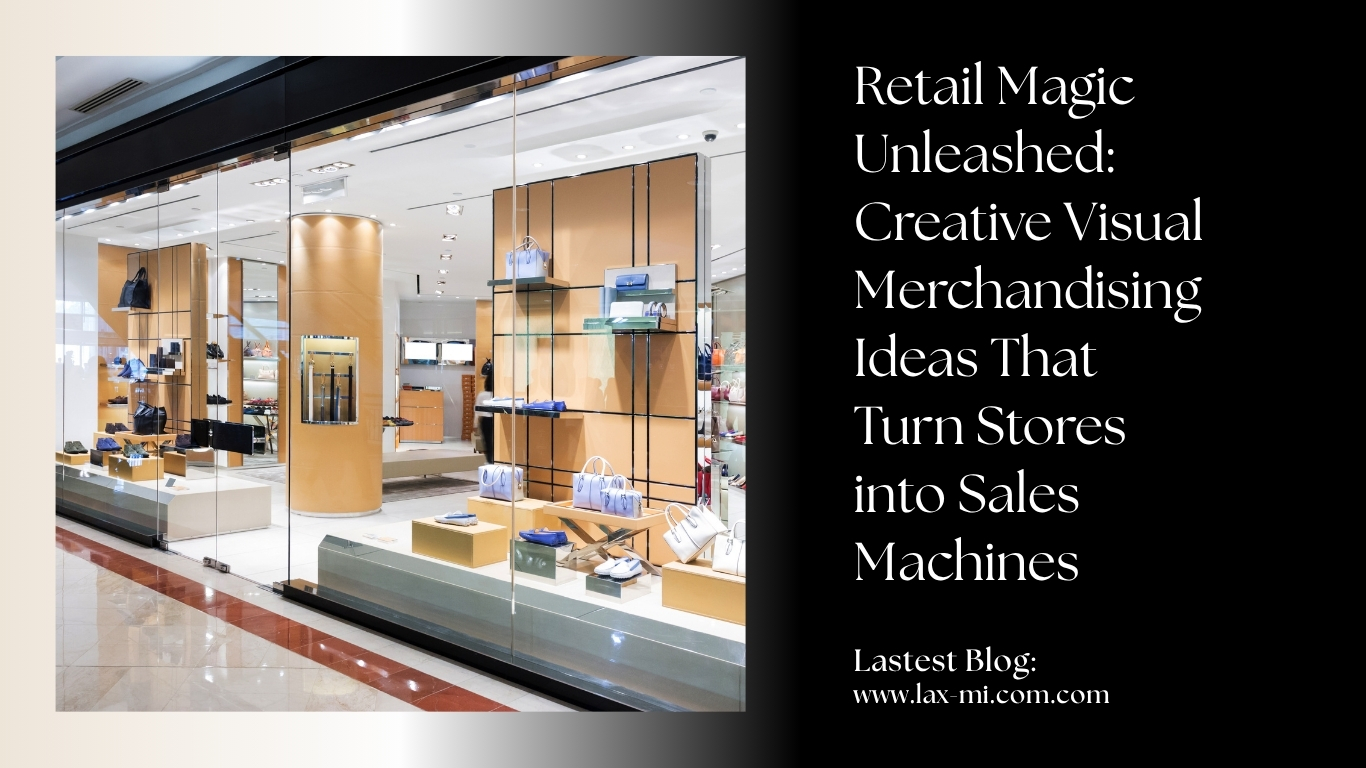
Retail Magic Unleashed: Creative Visual Merchandising Ideas That Turn Stores into Sales Machines
In today’s competitive retail landscape, attracting customers is no longer just about offering quality products. Instead, it is about creating an unforgettable in-store experience that captures attention, builds emotional connections, and ultimately drives purchasing decisions. This is where visual merchandising steps in as a powerful strategy. When executed effectively, it transforms a simple store into an engaging, story-driven environment that invites customers to explore, interact, and buy.
Visual merchandising is not limited to arranging products on shelves. Rather, it combines design, psychology, creativity, and branding to communicate a store’s identity. From window displays to lighting techniques, every element plays a crucial role in shaping customer perception. As retail trends continue to evolve, innovative visual merchandising ideas can give businesses a competitive edge and significantly boost sales.
In this comprehensive guide, you will discover impactful visual merchandising ideas for retail stores. These strategies will help you design visually appealing spaces, enhance customer experience, and maximize revenue. Moreover, each section explores practical techniques that you can apply to create a strong and lasting impression.
The Power of First Impressions in Retail Spaces
First impressions often determine whether a customer enters your store or walks past it. Therefore, your storefront must instantly capture attention. A well-designed exterior creates curiosity and encourages foot traffic. Clean layouts, attractive signage, and a cohesive theme contribute to this effect.
Additionally, consistency in branding strengthens recognition. Colors, fonts, and design elements should align with your brand identity. This approach builds trust and familiarity among customers. When shoppers feel connected to a brand, they are more likely to explore further.
Moreover, maintaining cleanliness and organization enhances appeal. Cluttered displays can overwhelm visitors and reduce interest. Instead, focus on minimal yet impactful arrangements that highlight key products effectively.
Creative Window Displays That Stop Traffic
Window displays serve as silent salespeople. They communicate your brand message and showcase your offerings even before customers step inside. Therefore, investing time in creative window setups can yield significant results.
Seasonal themes work exceptionally well. For instance, festive decorations during holidays attract attention and evoke emotions. Similarly, storytelling through displays creates engagement. Instead of simply placing products, design scenes that narrate a story.
Lighting also plays a vital role. Strategic illumination highlights focal points and adds depth to displays. Additionally, rotating window designs frequently keeps the store fresh and exciting. Regular updates encourage repeat visits and sustained interest.
In-Store Layouts That Guide Customer Movement
A well-planned store layout ensures smooth navigation and enhances shopping experiences. Customers should feel comfortable moving around without confusion. Therefore, designing clear pathways is essential.
Different layout styles suit various retail formats. Grid layouts work well for supermarkets, while free-flow designs suit boutiques. Each arrangement should prioritize accessibility and product visibility.
Furthermore, placing high-demand items strategically increases exposure. Customers often walk through the store to reach these products, which leads to additional purchases. This technique effectively boosts sales without aggressive marketing.
Lighting Techniques That Influence Buying Behavior
Lighting does more than illuminate a space. It creates mood, highlights products, and influences purchasing decisions. Therefore, choosing the right lighting strategy is crucial for visual merchandising.
Ambient lighting provides overall brightness, while accent lighting draws attention to specific items. For example, spotlighting premium products can enhance their perceived value. Additionally, warm lighting creates a cozy atmosphere, whereas cool lighting offers a modern feel.
Layering different types of lighting adds depth and dimension. This approach ensures that every corner of the store looks appealing. Moreover, adjusting lighting based on product categories enhances visibility and engagement.
Color Psychology in Visual Merchandising
Colors evoke emotions and influence customer behavior. Therefore, selecting the right color scheme is essential for effective merchandising. Bright colors attract attention, while neutral tones create elegance and sophistication.
For instance, red stimulates urgency and excitement, making it suitable for clearance sales. On the other hand, blue conveys trust and calmness, ideal for premium brands. Understanding these psychological effects helps in designing impactful displays.
Consistency in color usage strengthens brand identity. When customers recognize your brand through colors, it enhances recall and loyalty. Moreover, combining contrasting colors can highlight key products effectively.
The Role of Storytelling in Retail Displays
Storytelling transforms ordinary displays into memorable experiences. Instead of presenting products individually, create narratives that connect emotionally with customers. This approach encourages deeper engagement and longer store visits.
For example, a clothing store can showcase a “travel theme” with outfits styled for different destinations. Similarly, a home décor store can create a “cozy living room” setup. These scenarios help customers visualize product usage.
Additionally, storytelling builds brand personality. It communicates values, lifestyle, and aspirations. When customers resonate with these stories, they are more likely to make purchases.
Interactive Displays That Engage Customers
Modern shoppers seek experiences rather than just products. Therefore, interactive displays can significantly enhance engagement. Touchscreens, product demos, and augmented reality features create memorable interactions.
For instance, allowing customers to try products virtually adds convenience and excitement. Similarly, hands-on experiences encourage exploration and increase purchase confidence.
Moreover, interactive elements create shareable moments. Customers often capture and share unique experiences on social media, which boosts brand visibility. This organic promotion strengthens marketing efforts without additional costs.
Effective Use of Mannequins and Props
Mannequins and props play a crucial role in visual merchandising. They help present products in a realistic and relatable manner. Instead of displaying items separately, mannequins show complete looks or combinations.
Positioning mannequins strategically attracts attention. Placing them near entrances or focal points increases visibility. Additionally, changing their styling regularly keeps displays fresh.
Props enhance storytelling and add context. For example, travel bags, furniture, or seasonal décor elements create immersive setups. These details make displays more engaging and appealing.
Product Placement Strategies That Boost Sales
Strategic product placement influences customer decisions. Eye-level positioning is particularly effective, as it ensures maximum visibility. Therefore, placing high-margin products at this level can increase profitability.
Grouping related items encourages cross-selling. For instance, pairing accessories with clothing items prompts additional purchases. Similarly, placing complementary products together simplifies decision-making.
Additionally, using focal points draws attention to specific sections. Highlighting new arrivals or promotional items ensures they do not go unnoticed. This approach enhances overall sales performance.
Digital Integration in Visual Merchandising
Technology is transforming retail experiences. Digital screens, interactive kiosks, and virtual displays enhance engagement and provide valuable information. Therefore, integrating technology into merchandising strategies is essential.
Digital signage allows dynamic content updates. Retailers can showcase promotions, product features, and brand stories effortlessly. This flexibility keeps displays relevant and engaging.
Moreover, data-driven insights help optimize layouts and displays. Understanding customer behavior enables retailers to make informed decisions. This approach improves efficiency and effectiveness.
Seasonal and Thematic Displays for Maximum Impact
Seasonal displays create excitement and attract attention. Aligning merchandising with festivals, holidays, or trends keeps the store relevant. Customers often look for themed products during specific occasions.
For example, festive decorations during celebrations enhance the shopping experience. Similarly, seasonal themes like summer or winter collections create a sense of urgency.
Regular updates maintain freshness and encourage repeat visits. Customers appreciate new experiences, which increases foot traffic and sales. Therefore, planning seasonal merchandising strategies is highly beneficial.
Minimalism vs. Maximalism in Store Design
Both minimalism and maximalism have their place in visual merchandising. Minimalist designs focus on simplicity and elegance. They highlight products without distractions, making them ideal for premium brands.
On the other hand, maximalist designs create vibrant and energetic environments. They use bold colors, patterns, and textures to attract attention. This approach works well for trendy and youth-oriented brands.
Choosing the right style depends on your target audience and brand identity. Balancing these elements ensures a cohesive and appealing store design.
The Importance of Consistency Across All Displays
Consistency strengthens brand identity and enhances customer experience. Every element, from window displays to in-store arrangements, should align with your brand message.
Uniform design elements create a cohesive look. This approach makes the store visually appealing and easy to navigate. Customers appreciate organized and harmonious environments.
Moreover, consistent merchandising builds trust. When customers recognize your brand’s style, they feel more comfortable and confident in their purchases.
Sustainability in Visual Merchandising
Sustainability is becoming increasingly important in retail. Customers prefer brands that adopt eco-friendly practices. Therefore, incorporating sustainable elements into visual merchandising can enhance brand image.
Using recyclable materials, energy-efficient lighting, and reusable props reduces environmental impact. Additionally, promoting sustainability through displays communicates responsibility and awareness.
This approach not only benefits the environment but also attracts conscious consumers. It strengthens brand loyalty and sets your store apart from competitors.
Conclusion
Visual merchandising is a powerful tool that goes beyond aesthetics. It shapes customer perceptions, enhances shopping experiences, and drives sales. By implementing creative and strategic ideas, retailers can transform their stores into engaging and profitable spaces.
From captivating window displays to interactive in-store experiences, every element contributes to success. Moreover, understanding customer behavior and adapting to trends ensures long-term growth. Consistency, creativity, and innovation remain key factors in effective visual merchandising.
As retail continues to evolve, businesses must embrace new ideas and technologies. By doing so, they can create memorable experiences that attract customers and encourage loyalty. Ultimately, a well-designed store not only sells products but also tells a compelling story that customers want to be part of.