Tiny Space, Grand Experience: Small Bar Design Ideas That Deliver Big Impact
Creating a memorable bar experience does not require a large footprint. In fact, some of the most captivating spaces emerge from compact layouts that use creativity, precision, and smart design strategies. When space is limited, every decision matters more. From lighting and layout to textures and materials, each element must contribute to both function and atmosphere. As a result, small bars often feel more intentional, immersive, and unique compared to larger venues.
Today, business owners, designers, and entrepreneurs increasingly focus on small bar concepts. Not only do these spaces require lower investment, but they also offer higher personalization. Moreover, they encourage closer customer interaction, which builds loyalty and enhances overall experience. With the right design approach, even the smallest bar can feel expansive, luxurious, and unforgettable.
In this blog, you will explore practical, creative, and high-impact small bar design ideas. Each section dives deep into strategies that maximize space while maintaining style and efficiency. Whether you plan a commercial bar, a home setup, or a boutique hospitality project, these insights will help you transform limited space into a powerful design statement.
Smart Layout Planning That Maximizes Every Inch
A well-planned layout forms the foundation of any successful small bar design. Without a thoughtful arrangement, even the most beautiful décor will fail to deliver functionality. Therefore, designers must start by analyzing movement flow, seating capacity, and service efficiency.
First, prioritize a linear or L-shaped bar counter. These layouts reduce clutter and improve staff movement. Additionally, they create clear zones for preparation, serving, and customer interaction. Avoid unnecessary partitions, as they make the space feel cramped. Instead, opt for open layouts that maintain visibility and openness.
Next, consider multi-functional furniture. For instance, bar counters can include hidden storage, foldable sections, or integrated shelves. Similarly, seating arrangements should adapt easily. Stackable stools, wall-mounted benches, and foldable tables work well in compact environments.
Moreover, ensure that pathways remain unobstructed. Narrow walkways can disrupt service and frustrate customers. Therefore, maintain a balance between seating density and movement space. With a strategic layout, even a tiny bar can feel organized and efficient.
Lighting Techniques That Create Depth and Mood
Lighting plays a transformative role in small bar design. It not only enhances aesthetics but also creates an illusion of space. Therefore, choosing the right lighting strategy becomes essential.
Begin with layered lighting. Combine ambient, task, and accent lighting to create depth. Ambient lighting provides overall illumination, while task lighting focuses on work areas like the bar counter. Accent lighting highlights features such as shelves, bottles, or artwork.
Additionally, use warm lighting tones to create a cozy atmosphere. Harsh white lights can make a small space feel sterile. In contrast, warm hues add comfort and intimacy. Pendant lights above the counter also serve as focal points while defining zones.
Mirrors combined with lighting further amplify the sense of space. When placed strategically, they reflect light and make the bar appear larger. LED strips under shelves or counters add a modern touch while improving visibility.
Ultimately, lighting should guide the mood of the bar. Whether you aim for a lively vibe or a relaxed ambiance, the right lighting choices will elevate the entire experience.
Color Schemes That Expand Visual Space
Color selection significantly impacts how a small bar feels. While bold colors attract attention, they can also make a space appear smaller if used excessively. Therefore, balance becomes crucial.
Start with a neutral base palette. Shades like beige, grey, and soft white create a sense of openness. These colors reflect light effectively, making the space feel larger. However, neutrality does not mean dullness. Add depth through textures and subtle contrasts.
Introduce accent colors strategically. For example, a bold backsplash, colorful bar stools, or vibrant artwork can add personality without overwhelming the space. Dark tones can also work well when used in specific areas, such as the bar counter or feature wall.
Furthermore, maintain consistency across elements. A cohesive color scheme ensures visual harmony, which prevents the space from feeling cluttered. By combining light tones with controlled accents, you can create a visually expansive and stylish bar environment.
Vertical Storage Solutions for Maximum Efficiency
In small bar design, vertical space often remains underutilized. However, it offers immense potential for storage and display. By thinking vertically, you can free up valuable floor space while enhancing aesthetics.
Install wall-mounted shelves to store bottles, glassware, and décor items. Open shelving works particularly well, as it keeps everything accessible while adding visual interest. Additionally, use tall cabinets or racks that extend to the ceiling.
Hanging storage solutions also prove effective. For instance, overhead glass racks keep stemware organized and within reach. Similarly, hooks or rails can hold bar tools and accessories.
Moreover, vertical storage allows you to create focal points. A well-organized bottle display can become a design highlight. Combine functionality with style by arranging items thoughtfully.
By maximizing vertical space, you not only improve storage but also create a sense of height and openness in the bar.
Compact Furniture That Enhances Comfort and Style
Furniture selection directly influences the usability of a small bar. Oversized pieces can quickly overwhelm the space. Therefore, choose compact, sleek, and ergonomic designs.
Bar stools with slim profiles work best. Opt for designs without bulky armrests to save space. Additionally, consider stools that can slide completely under the counter when not in use.
Wall-mounted seating offers another efficient solution. Benches attached to walls reduce floor clutter while providing ample seating. Pair them with small tables or ledges for functionality.
Furthermore, modular furniture adds flexibility. Pieces that can be rearranged or expanded allow the space to adapt to different needs. This approach works well for bars that host varying crowd sizes.
Ultimately, furniture should complement the overall design while maintaining comfort. With the right choices, even a small bar can feel inviting and stylish.
Mirrors and Reflective Surfaces for Visual Expansion
Mirrors remain one of the most effective tools in small space design. They create an illusion of depth, making the bar appear larger than it actually is.
Place mirrors behind the bar counter to reflect bottles and lighting. This not only enhances aesthetics but also adds a sense of luxury. Large mirrors on walls can double the perceived space instantly.
In addition to mirrors, consider reflective materials. Glossy finishes, metallic accents, and glass surfaces contribute to light reflection. These elements amplify brightness and create a dynamic visual effect.
However, avoid overusing reflective surfaces. Too many reflections can feel overwhelming. Instead, use them strategically to highlight key areas.
When used correctly, mirrors and reflective finishes transform a compact bar into a visually expansive environment.
Creative Bar Counter Designs That Stand Out
The bar counter serves as the centerpiece of the space. Therefore, its design should combine functionality with visual appeal.
Consider unique materials such as marble, wood, or concrete. Each material brings a distinct character. For instance, wood adds warmth, while marble exudes elegance. Concrete offers a modern, industrial vibe.
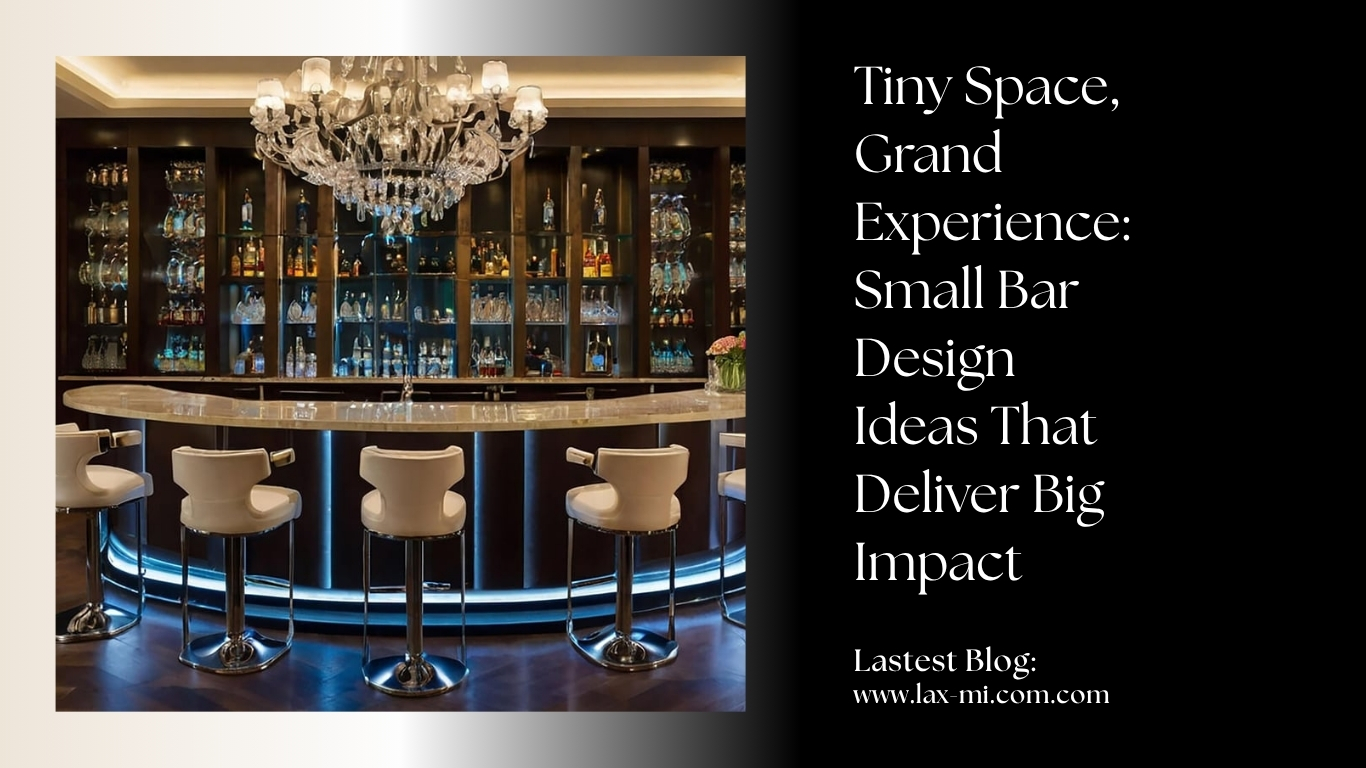
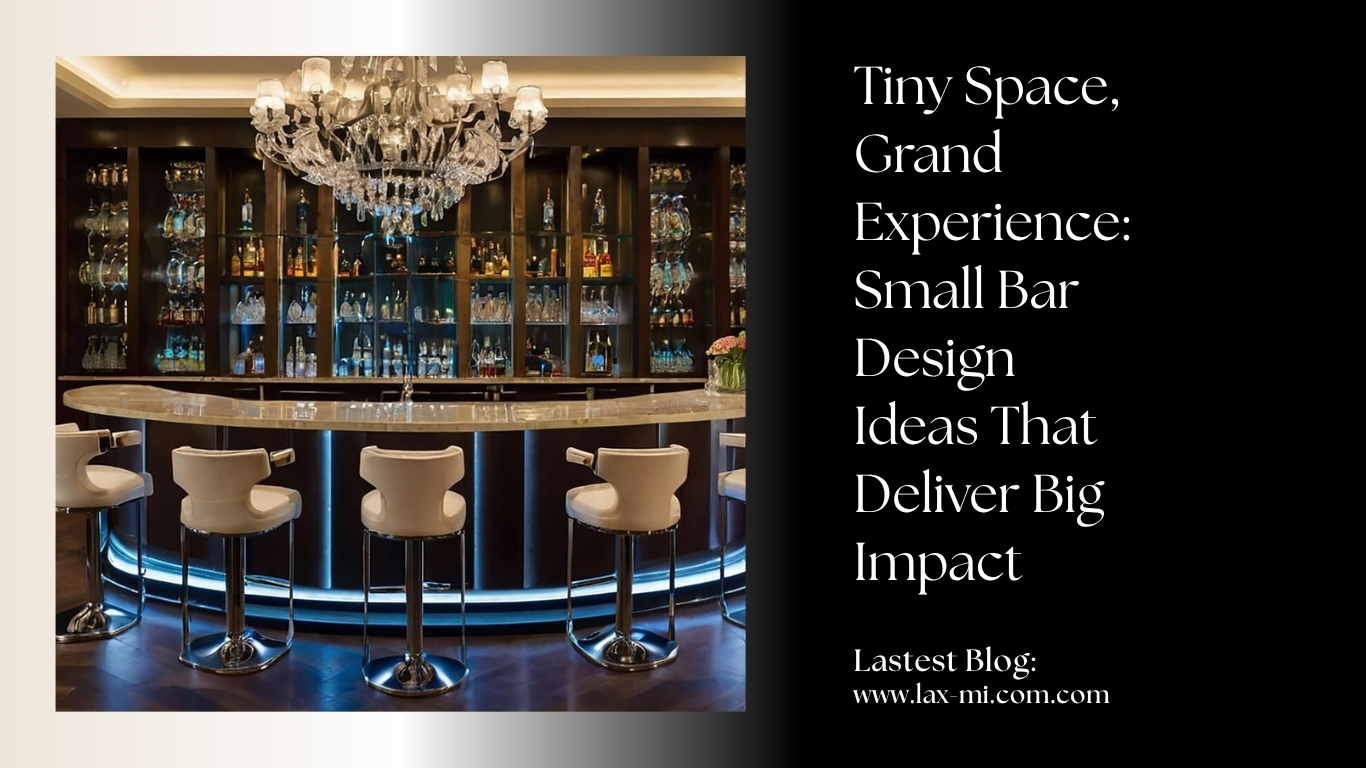
Additionally, incorporate built-in features. Storage compartments, lighting elements, or display sections can enhance usability. LED-lit counters create a striking visual impact, especially in dim settings.
Curved or asymmetrical designs also add interest. They break monotony and create a more dynamic layout. However, ensure that the design remains practical for staff operations.
A well-designed bar counter not only attracts attention but also improves efficiency, making it a crucial element in small bar design.
Open Shelving for Style and Accessibility
Open shelving combines practicality with aesthetics. It allows easy access to essentials while showcasing the bar’s personality.
Arrange bottles and glassware in an organized manner. Group items by type, color, or size to create a visually appealing display. This approach adds structure and prevents clutter.
Incorporate decorative elements such as plants, artwork, or lighting within the shelves. These details enhance the overall ambiance.
Additionally, use materials that complement the design theme. Wooden shelves create a rustic feel, while metal frames suit industrial styles.
Open shelving not only saves space but also turns storage into a design feature, making it ideal for small bars.
Incorporating Green Elements for Fresh Appeal
Adding greenery to a small bar introduces freshness and vitality. Plants soften the space and create a welcoming atmosphere.
Choose compact plants that require minimal maintenance. Hanging plants work particularly well, as they do not occupy floor space. Wall-mounted planters also add a unique touch.
Herb gardens can serve both decorative and functional purposes. Fresh herbs enhance cocktails while adding fragrance to the space.
Moreover, greenery pairs beautifully with various design styles. Whether modern, rustic, or industrial, plants add a natural contrast.
By incorporating green elements, you can create a lively and refreshing bar environment.
Theme-Based Designs That Create Identity
A strong theme helps a small bar stand out. It creates a cohesive experience that attracts customers and builds brand identity.
Choose a theme that aligns with your concept. For example, a vintage theme may include antique décor and warm lighting. A modern theme may focus on sleek lines and minimalism.
Ensure consistency across all elements. Furniture, colors, lighting, and décor should reflect the chosen theme. This approach creates a unified look.
Additionally, storytelling plays a key role. A well-defined theme allows customers to connect emotionally with the space.
A clear design identity transforms a small bar into a memorable destination.
Acoustic Design for Enhanced Experience
Sound plays a crucial role in bar ambiance. In small spaces, poor acoustics can quickly become overwhelming. Therefore, acoustic design deserves attention.
Use soft materials such as upholstered seating, curtains, or rugs to absorb sound. These elements reduce noise levels and improve comfort.
Wall panels or acoustic boards can also help manage sound effectively. They prevent echoes and create a balanced audio environment.
Additionally, control music volume carefully. The goal is to create an enjoyable atmosphere without overpowering conversations.
With proper acoustic planning, a small bar can feel comfortable and inviting.
Efficient Storage Solutions for Clutter-Free Spaces
Clutter can ruin the appeal of a small bar. Therefore, efficient storage solutions become essential.
Use hidden compartments within counters or furniture. These spaces keep items out of sight while maintaining accessibility.
Drawer organizers help arrange tools and accessories neatly. Labeling systems can further improve efficiency.
Additionally, prioritize minimalism. Avoid storing unnecessary items. A clean and organized space enhances both functionality and aesthetics.
By focusing on smart storage, you can maintain a polished and professional bar environment.
Technology Integration for Modern Appeal
Modern bars benefit greatly from technology integration. Even in small spaces, smart solutions can enhance efficiency and customer experience.
Consider digital menu displays. They save space and allow easy updates. POS systems with compact designs improve transaction efficiency.
Lighting automation offers another advantage. Adjustable lighting settings can adapt to different moods or times of day.
Additionally, sound systems with compact speakers ensure high-quality audio without occupying much space.
Technology not only improves functionality but also adds a contemporary touch to the bar.
Personalization That Creates a Unique Experience
Personalization sets a bar apart from competitors. It reflects creativity and attention to detail.
Custom artwork, branded elements, or unique décor pieces can define the space. These features create a distinctive identity.
Encourage interactive elements. For example, chalkboard walls allow customers to engage with the space. Personalized drink menus also enhance the experience.
Moreover, storytelling through design adds depth. Every element should contribute to a cohesive narrative.
A personalized approach ensures that customers remember and revisit the bar.
Conclusion
Designing a small bar requires creativity, precision, and strategic thinking. While limited space presents challenges, it also opens opportunities for innovation. By focusing on layout, lighting, color, and functionality, you can transform even the smallest area into a remarkable destination.
Each design choice should serve a purpose. From vertical storage to compact furniture, every element must contribute to efficiency and style. At the same time, aesthetics should not be compromised. A well-designed small bar can feel luxurious, inviting, and dynamic.
Ultimately, success lies in balance. When functionality meets creativity, small spaces achieve big impact. Whether you are a designer, entrepreneur, or enthusiast, these ideas will guide you in creating a bar that stands out, engages customers, and delivers an unforgettable experience.