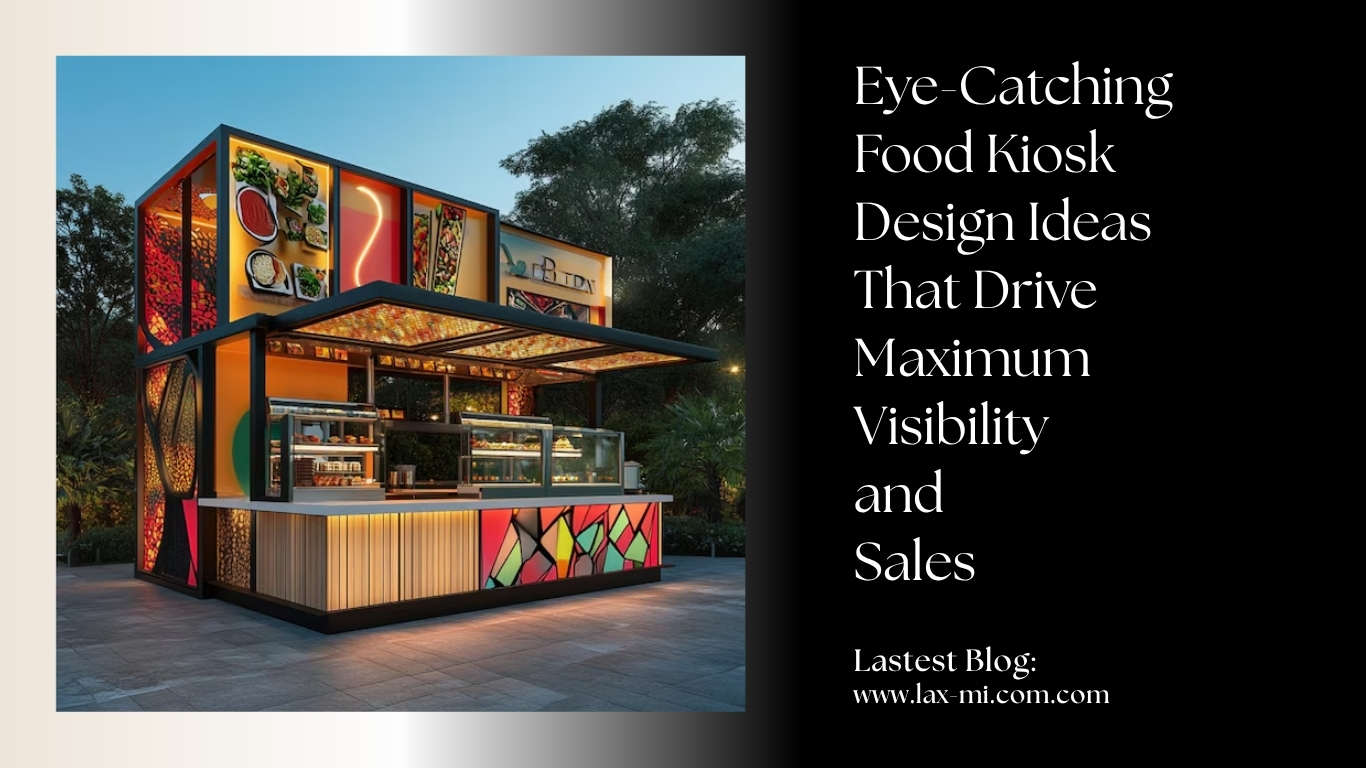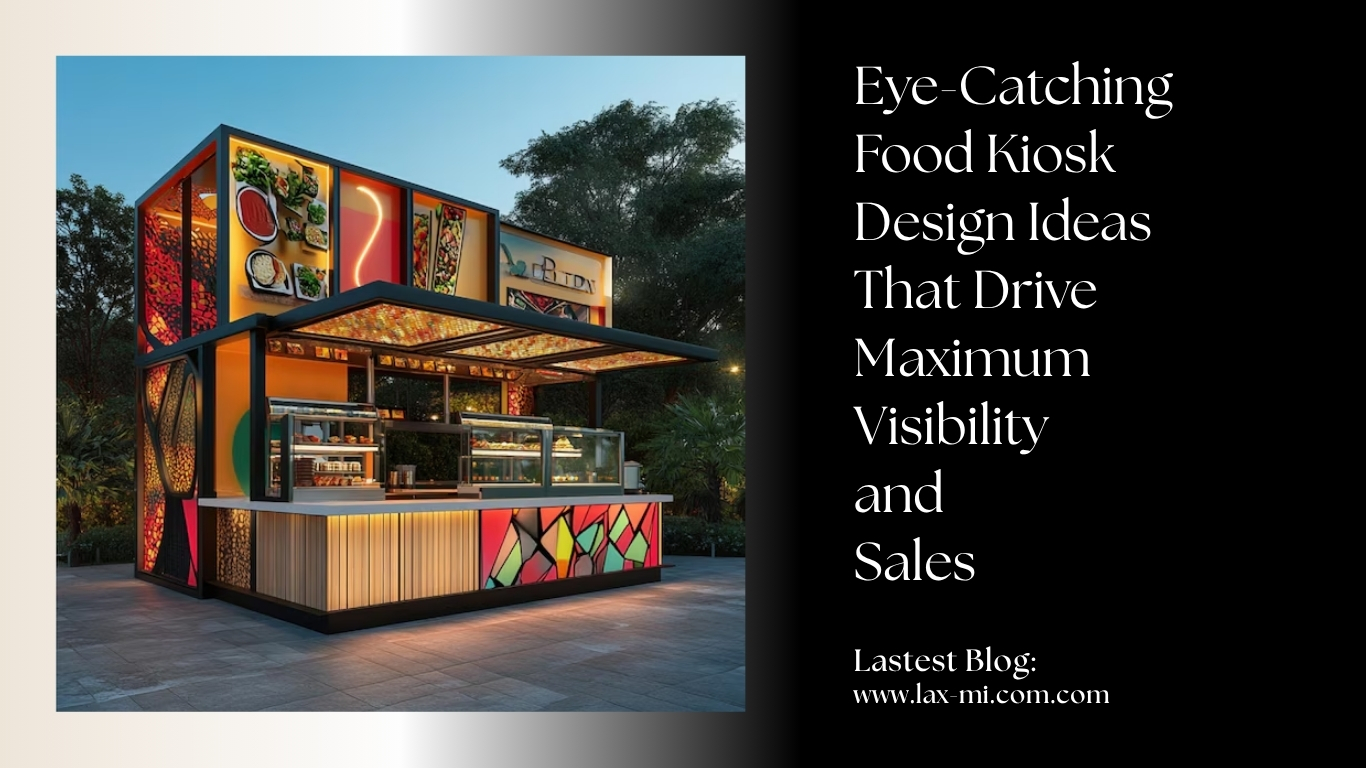
Eye-Catching Food Kiosk Design Ideas That Drive Maximum Visibility and Sales
In today’s fast-paced urban lifestyle, food kiosks have become a powerful business model. They are compact, cost-effective, and capable of generating high footfall when designed strategically. However, success in this competitive space does not depend on food quality alone. Instead, it relies heavily on how well your kiosk grabs attention, communicates your brand, and invites customers to engage.
That is where smart design plays a crucial role. A thoughtfully designed kiosk can instantly stand out in crowded malls, busy streets, or corporate complexes. It can attract curious passersby, convert them into paying customers, and even turn them into loyal visitors. On the other hand, a poorly designed kiosk may go unnoticed, no matter how good the food is.
Therefore, understanding the right food kiosk design ideas for maximum visibility is essential. From lighting and layout to branding and materials, every detail contributes to how people perceive your kiosk. Moreover, a visually appealing setup creates trust, encourages impulse buying, and enhances customer experience.
In this comprehensive guide, you will explore practical, creative, and high-impact design ideas that can transform your food kiosk into a magnet for attention and sales. Each section focuses on a specific element that contributes to visibility while maintaining functionality and efficiency.
The Power of First Impressions in Food Kiosk Design
First impressions matter more than most business owners realize. In a crowded environment, customers often decide within seconds whether they want to approach a kiosk. That decision is usually based on visual appeal.
A well-designed kiosk should immediately communicate what you offer. It should feel clean, inviting, and professional. Bright colors, clear signage, and a neat arrangement create a positive impression. Meanwhile, cluttered or dull designs can push potential customers away.
Additionally, consistency in design builds trust. When your logo, colors, and theme align perfectly, people perceive your brand as reliable. This perception increases the chances of engagement and purchase.
To maximize visibility, focus on creating a strong visual identity. Use bold elements, but keep them balanced. Too many colors or patterns can overwhelm viewers. Instead, aim for a clean yet striking design that captures attention effortlessly.
Strategic Placement and Layout for Maximum Exposure
Even the best design cannot perform well if the kiosk placement is poor. Location and layout work together to enhance visibility.
Position your kiosk where foot traffic is naturally high. Areas near entrances, escalators, or seating zones are ideal. These spots ensure that people notice your kiosk without effort.
Once placement is optimized, focus on layout. Keep the front open and welcoming. Avoid barriers that block visibility. A semi-open design allows customers to see the preparation process, which builds trust and curiosity.
Moreover, organize your space efficiently. Ensure that the counter, menu display, and service area are easy to navigate. A smooth layout not only improves visibility but also enhances customer flow.
Bold Branding That Stands Out Instantly
Branding is one of the most powerful tools in kiosk design. It helps your business become recognizable and memorable.
Use a bold logo that is visible from a distance. Place it at eye level or higher so that people can spot it easily. Along with that, choose a color palette that reflects your brand personality. Bright and contrasting colors often work well for food kiosks.
Typography also plays an important role. Use clear and readable fonts for your signage. Avoid overly decorative styles that reduce readability.
Consistency is key. From the kiosk structure to packaging, every element should reflect your brand identity. This uniformity strengthens recognition and builds customer trust over time.
Lighting Techniques That Attract Attention
Lighting can transform an ordinary kiosk into an eye-catching attraction. It highlights your products, enhances colors, and creates a welcoming atmosphere.
Use warm lighting to make food items look more appealing. At the same time, incorporate LED strips or spotlights to highlight key areas such as menus or display counters.
Backlit signage is another effective technique. It ensures visibility even from a distance and works well in both day and night settings.
However, avoid excessive lighting. Too much brightness can feel harsh and uncomfortable. Instead, aim for a balanced setup that enhances visibility without overwhelming the space.
Creative Use of Colors for Visual Impact
Colors influence human emotions and behavior. Therefore, choosing the right color scheme can significantly improve kiosk visibility.
Bright colors like red, yellow, and orange are commonly used in food businesses because they stimulate appetite and grab attention. However, it is important to use them wisely.
Combine bold colors with neutral tones to maintain balance. For example, a bright red accent on a white background can create a striking effect without being overpowering.
Additionally, consider your target audience. A dessert kiosk may benefit from pastel shades, while a fast-food kiosk may use vibrant tones for energy and excitement.
Eye-Level Display and Menu Positioning
Visibility depends not only on design but also on how information is presented. Customers should be able to see your menu clearly without straining.
Place your menu at eye level. Use large fonts and high-contrast colors for better readability. Digital screens can also be effective as they allow dynamic content display.
Showcase your best-selling items prominently. Use images to make them more appealing. When customers can easily understand what you offer, they are more likely to make quick decisions.
Open Kitchen Concept for Transparency and Appeal
An open kitchen design enhances both visibility and trust. When customers can see food being prepared, it creates a sense of transparency.
This approach also adds an element of entertainment. Watching food being cooked can attract attention and draw people closer to your kiosk.
However, cleanliness is crucial. Since everything is visible, maintain high hygiene standards. A clean and organized kitchen builds confidence and encourages repeat visits.
Compact Yet Functional Design Approach
Space is limited in kiosks, so every inch must be used wisely. A compact yet functional design ensures efficiency without compromising visibility.
Use vertical space for storage and display. Install shelves or hanging racks to keep the counter clutter-free.
Choose multi-functional furniture. For example, a counter that doubles as storage can save space and improve organization.
A well-organized kiosk looks more professional and inviting. It also allows staff to work efficiently, which enhances customer experience.
Use of Unique Shapes and Structures
Standard rectangular kiosks often blend into the background. To stand out, consider using unique shapes or structures.
Curved edges, circular designs, or themed structures can attract attention instantly. These elements create visual interest and make your kiosk memorable.
However, ensure that creativity does not compromise functionality. The design should still allow smooth operations and easy customer interaction.
Interactive Elements to Engage Customers
Adding interactive elements can significantly boost visibility and engagement. People are naturally drawn to experiences that involve participation.
Touchscreen menus, live cooking stations, or customization options can create excitement. These features encourage customers to spend more time at your kiosk.
Moreover, interactive elements can differentiate your brand from competitors. They create a unique experience that customers are likely to remember.
Incorporating Digital Displays and Signage
Digital displays offer flexibility and modern appeal. They allow you to update menus, promotions, and visuals بسهولة.
Use high-resolution screens to showcase your products. Motion graphics or short videos can capture attention more effectively than static images.
Additionally, digital signage can highlight special offers. This strategy encourages impulse purchases and increases sales.
Seasonal and Thematic Design Updates
Refreshing your kiosk design periodically keeps it relevant and exciting. Seasonal themes can attract repeat customers and create a sense of novelty.
For example, use festive decorations during holidays or introduce themed visuals based on current trends. These changes create a dynamic look that keeps customers interested.
However, maintain brand consistency while updating themes. The core identity should remain recognizable.
Material Selection for Aesthetic and Durability
The choice of materials affects both appearance and longevity. High-quality materials create a premium look and withstand daily wear and tear.
Wood, metal, and glass are popular choices for modern kiosks. They offer a clean and stylish appearance.
At the same time, consider maintenance. Choose materials that are easy to clean and resistant to damage. A well-maintained kiosk always looks more appealing.
Customer Flow and Accessibility Considerations
A visible kiosk should also be accessible. Ensure that customers can approach, order, and collect food بسهولة.
Design clear entry and exit points. Avoid congestion by organizing queues effectively.
Accessibility features, such as lower counters or clear signage, make your kiosk inclusive. This approach enhances customer satisfaction and broadens your audience.
Sustainability as a Modern Design Element
Sustainability is becoming increasingly important in design. Eco-friendly kiosks not only attract attention but also build a positive brand image.
Use recyclable materials, energy-efficient lighting, and minimal packaging. These choices reflect responsibility and appeal to conscious consumers.
Additionally, highlight your sustainability efforts through signage. This transparency can influence customer decisions positively.
Conclusion
Designing a food kiosk for maximum visibility requires a thoughtful combination of creativity, strategy, and functionality. Every element, from colors and lighting to layout and branding, plays a vital role in attracting attention and driving sales.
A well-designed kiosk does more than just look good. It communicates your brand, enhances customer experience, and encourages engagement. By focusing on clear visibility, efficient layout, and appealing aesthetics, you can create a kiosk that stands out in any environment.
Moreover, continuous improvement is essential. Updating your design, incorporating new trends, and listening to customer feedback will keep your kiosk relevant and successful.
Ultimately, the right food kiosk design ideas can transform a small space into a powerful business asset. When executed effectively, your kiosk will not only capture attention but also leave a lasting impression that drives growth and profitability.