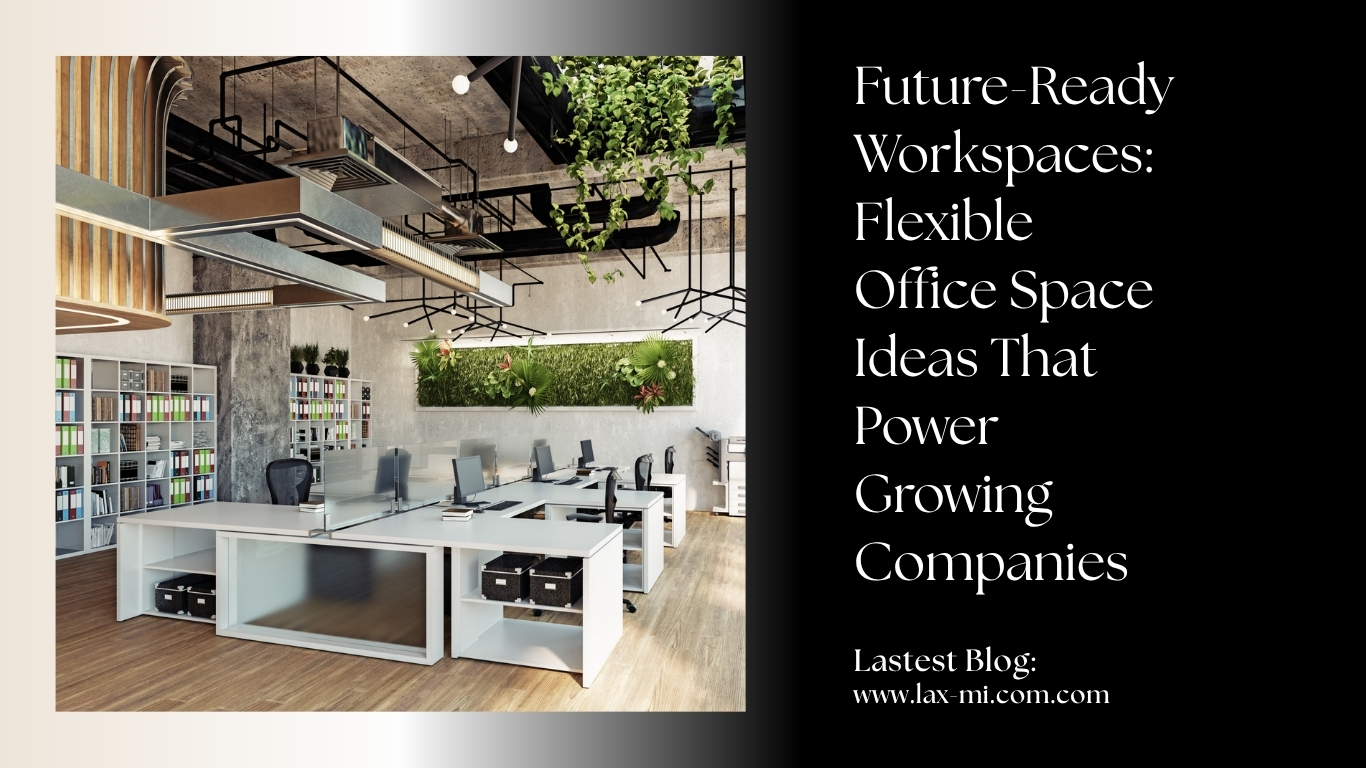
Future-Ready Workspaces: Flexible Office Space Ideas That Power Growing Companies
Modern businesses no longer thrive in rigid environments. Instead, they grow faster when their workspaces evolve alongside their teams, goals, and workflows. As companies scale, they face constant changes in team size, project demands, and operational priorities. Therefore, a flexible office space becomes more than just a design choice—it becomes a strategic advantage.
Flexible office space ideas for growing companies focus on adaptability, efficiency, and employee experience. They allow organizations to optimize space usage while supporting collaboration, creativity, and productivity. Moreover, they reduce long-term costs and provide the agility needed to respond to market changes.
In this blog, you will explore innovative and practical ideas that help growing companies build dynamic office environments. Each concept enhances functionality while creating a workspace that inspires teams to perform at their best.
The Importance of Flexibility in Modern Offices
Growing companies often struggle with space limitations and changing needs. A static office layout can slow down productivity and restrict expansion. However, a flexible workspace removes these barriers by adapting quickly to new requirements.
Flexibility supports both short-term and long-term goals. For instance, companies can rearrange seating for new hires or create temporary zones for specific projects. As a result, businesses avoid expensive renovations and maintain operational continuity.
Additionally, flexible offices promote a culture of innovation. Employees feel empowered when they can choose how and where they work. This freedom increases engagement and leads to better outcomes. Therefore, investing in flexibility is not just practical—it is essential for growth.
Open Plan Layouts with Smart Zoning
Open-plan offices remain popular, but they require thoughtful zoning to function effectively. Instead of a completely open area, companies should create designated zones for different activities.
For example, collaborative zones encourage teamwork and brainstorming. Quiet zones support focused work, while social areas help employees recharge. This structured approach ensures that every task has an appropriate space.
Moreover, smart zoning reduces distractions. Employees can move to areas that suit their work style, which improves productivity. As companies grow, they can expand or modify these zones without disrupting the entire layout.
Modular Furniture for Easy Adaptation
Furniture plays a crucial role in flexible office design. Modular furniture allows companies to rearrange spaces quickly and efficiently. Desks, chairs, and partitions can be moved or reconfigured based on changing needs.
For instance, a team working on a project can cluster desks together. Later, the same space can transform into individual workstations. This adaptability saves both time and cost.
Furthermore, modular furniture supports scalability. As the team grows, companies can add new units without redesigning the entire office. This approach ensures that the workspace evolves naturally with the business.
Hot Desking for Space Optimization
Hot desking is an effective strategy for growing companies with dynamic teams. Instead of assigning fixed desks, employees use available workstations as needed.
This system maximizes space utilization. Companies can accommodate more employees without increasing office size. Additionally, it encourages collaboration since employees interact with different teams regularly.
However, successful hot desking requires proper planning. Providing lockers or storage solutions helps employees manage their belongings. Moreover, a booking system ensures smooth operations and avoids confusion.
Collaborative Spaces That Inspire Innovation
Collaboration drives growth, and dedicated spaces enhance teamwork. Growing companies should design areas specifically for group discussions, brainstorming sessions, and meetings.
These spaces should feel inviting and creative. Comfortable seating, writable walls, and digital tools encourage idea-sharing. As a result, teams can collaborate more effectively and generate innovative solutions.
Additionally, flexible collaborative spaces can serve multiple purposes. They can function as meeting rooms, training areas, or presentation zones. This versatility makes them valuable assets for any growing organization.
Private Pods for Focused Work
While collaboration is essential, employees also need quiet spaces for concentration. Private pods or focus rooms provide an ideal solution.
These compact spaces allow employees to work without interruptions. They are especially useful for tasks that require deep thinking or confidentiality. Moreover, they help maintain a balance between open and private areas.
As companies grow, adding more pods becomes easier than creating full offices. Therefore, they offer a scalable solution for maintaining productivity.
Multi-Functional Meeting Rooms
Meeting rooms often remain underutilized in traditional offices. However, flexible offices transform them into multi-functional spaces.
For example, a meeting room can serve as a training area in the morning and a brainstorming hub in the afternoon. Movable furniture and smart technology make this possible.
This approach increases efficiency and reduces the need for additional rooms. As a result, companies can optimize space while supporting diverse activities.
Breakout Areas for Employee Well-Being
Employee well-being plays a critical role in productivity. Breakout areas provide a space for relaxation and informal interactions.
These areas should feel different from work zones. Comfortable seating, natural elements, and vibrant colors create a refreshing environment. Employees can take short breaks, which improves focus and reduces stress.
Moreover, breakout areas encourage spontaneous conversations. These interactions often lead to new ideas and stronger team relationships.
Technology-Driven Workspaces
Technology enhances flexibility in modern offices. Smart tools and systems make it easier to manage space and improve efficiency.
For instance, digital booking systems help employees reserve desks or meeting rooms. Wireless connectivity allows seamless work from any location within the office. Additionally, collaboration tools support remote and hybrid teams.
Investing in technology ensures that the workspace remains future-ready. It also simplifies operations, which benefits growing companies.
Hybrid Work Integration
Hybrid work has become a standard practice for many organizations. Flexible office spaces must support both in-office and remote employees.
Companies can create dedicated zones for virtual meetings. Soundproof rooms and video conferencing tools ensure clear communication. Moreover, flexible seating arrangements allow employees to choose their preferred work environment.
This integration improves work-life balance and attracts top talent. As a result, companies can grow while maintaining a strong workforce.
Scalable Storage Solutions
Storage often becomes a challenge as companies expand. Flexible storage solutions help manage this issue effectively.
Mobile cabinets, vertical storage units, and shared storage areas provide practical options. These solutions can be adjusted based on changing needs.
Additionally, digital storage reduces the need for physical space. Companies can store documents online, which frees up valuable office space.
Sustainable and Eco-Friendly Design
Sustainability is an important consideration for modern businesses. Flexible office spaces can incorporate eco-friendly elements to reduce environmental impact.
For example, using energy-efficient lighting and sustainable materials improves efficiency. Indoor plants enhance air quality and create a pleasant atmosphere.
Moreover, sustainable design aligns with corporate values and attracts environmentally conscious employees. It also reduces long-term operational costs.
Customizable Workstations
Every employee has unique preferences and work styles. Customizable workstations allow individuals to adjust their environment for maximum comfort.
Height-adjustable desks, ergonomic chairs, and personalized setups improve productivity. Employees can create a workspace that suits their needs.
This approach increases job satisfaction and reduces physical strain. As a result, companies benefit from a healthier and more engaged workforce.
Flexible Reception and Client Areas
The reception area creates the first impression of a company. Flexible design ensures that it remains functional and welcoming.
For instance, modular seating can accommodate different visitor volumes. Digital check-in systems improve efficiency and reduce wait times.
Additionally, the reception area can double as a waiting lounge or informal meeting space. This versatility enhances both functionality and aesthetics.
Future-Proofing Office Design
Growing companies must think ahead when designing their offices. Future-proofing ensures that the workspace can adapt to upcoming changes.
This involves choosing flexible layouts, scalable furniture, and advanced technology. Companies should also consider potential expansion while planning the design.
By preparing for the future, businesses avoid frequent redesigns and maintain consistency. This approach saves time, money, and effort in the long run.
Conclusion
Flexible office space ideas for growing companies are no longer optional—they are essential for success. As businesses expand, their work environments must evolve to support new challenges and opportunities.
From modular furniture and collaborative zones to technology-driven solutions and hybrid integration, each element contributes to a dynamic workspace. These ideas not only improve efficiency but also enhance employee satisfaction and innovation.
Ultimately, a flexible office is an investment in growth. It empowers companies to adapt, scale, and thrive in a competitive landscape. By embracing these strategies, businesses can create workspaces that truly support their journey toward success.