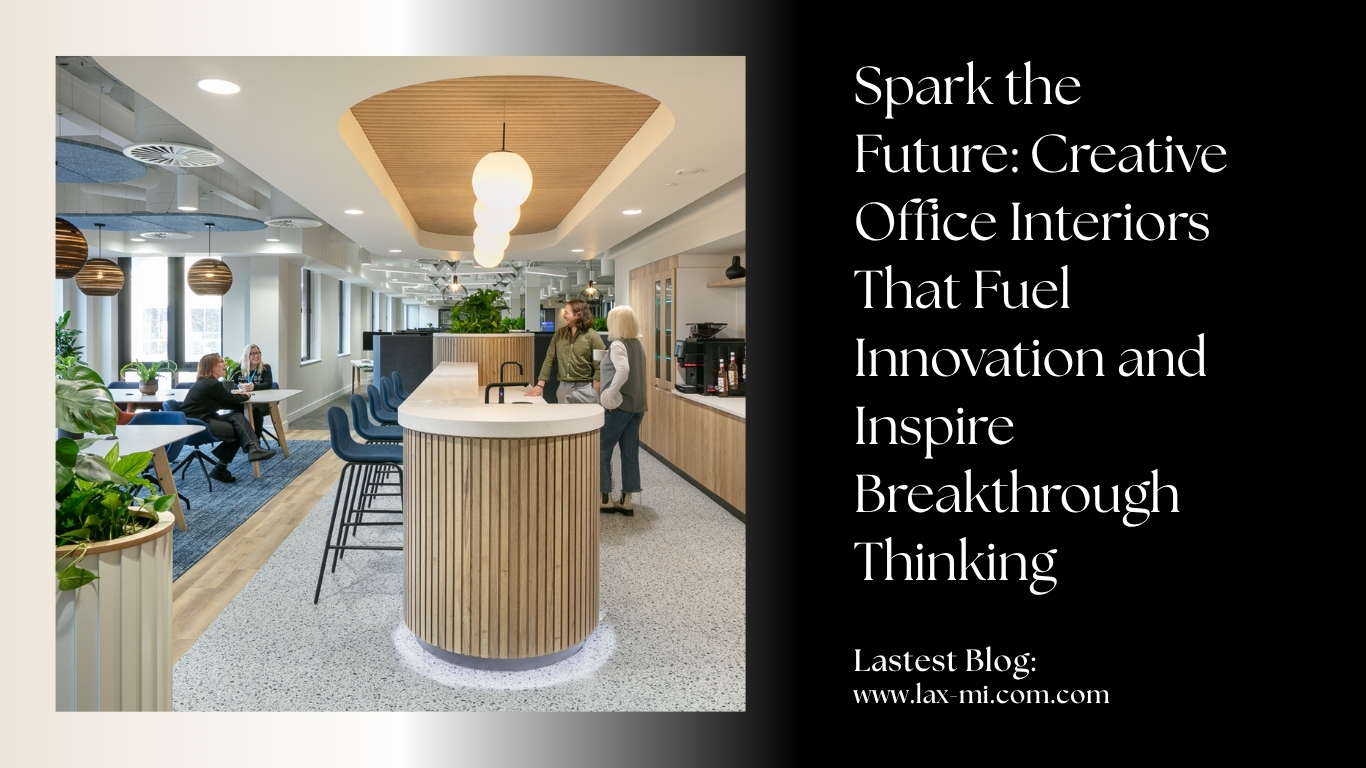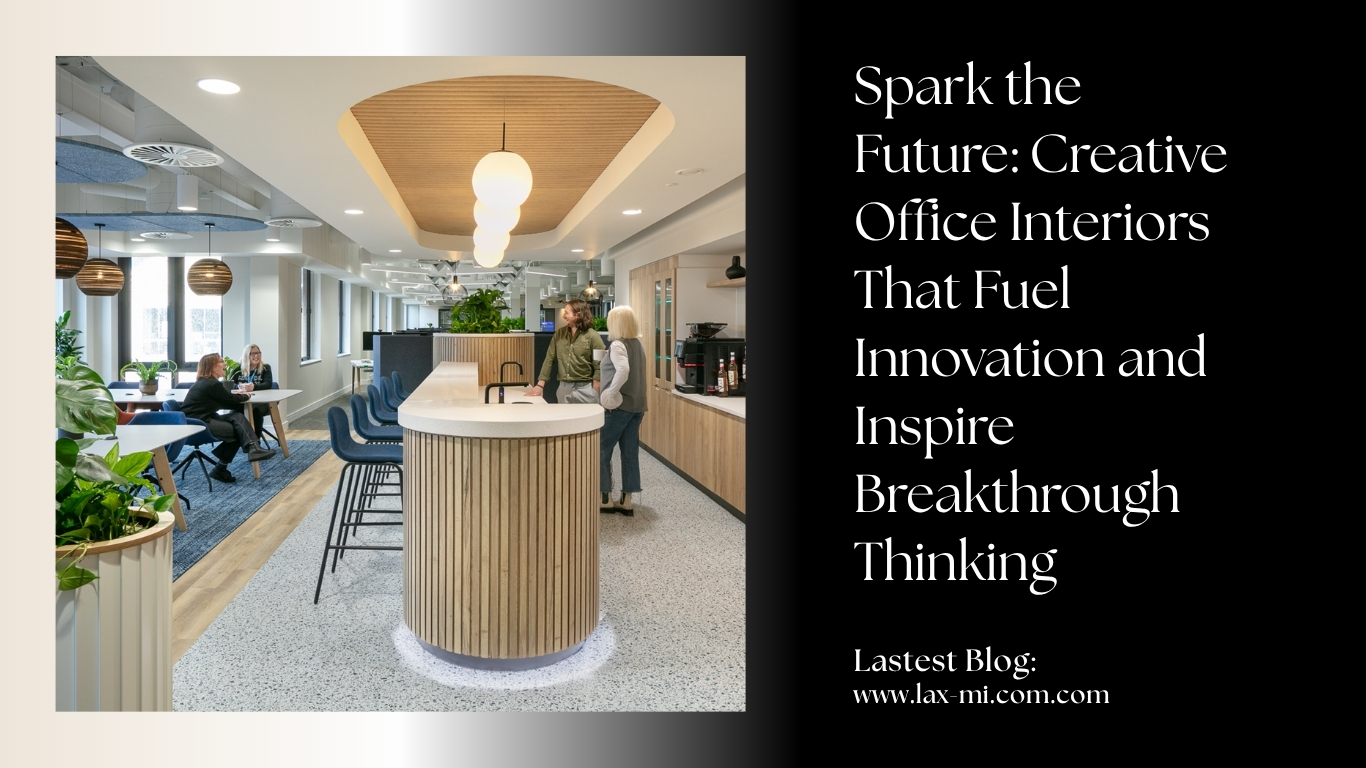
Spark the Future: Creative Office Interiors That Fuel Innovation and Inspire Breakthrough Thinking
Modern workplaces have changed more in the last decade than in the previous fifty years. Companies no longer view offices as simple workstations. Instead, they treat them as powerful environments that shape creativity, collaboration, and innovation. As competition rises across industries, organizations now focus on designing spaces that actively encourage fresh ideas and bold thinking.
Creative office interiors that boost innovation do more than look attractive. They create an atmosphere where employees feel energized, valued, and motivated to perform at their best. When a workspace aligns with human psychology and work patterns, it drives productivity and improves overall satisfaction. Moreover, a well-designed office fosters collaboration, which often leads to breakthrough ideas.
Today, businesses understand that innovation does not happen by chance. It grows in environments that support open communication, flexibility, and inspiration. Therefore, companies invest in thoughtful office design that blends functionality with creativity. From color psychology to ergonomic furniture, every detail plays a role in shaping how employees think and perform.
This blog explores how creative office interiors influence innovation. It also highlights practical strategies to transform ordinary workspaces into dynamic hubs of creativity. If you aim to build an office that inspires ideas and drives growth, this guide will help you take the right steps.
The Psychology Behind Creative Office Interiors
Workspaces influence how people feel and behave. Therefore, understanding workplace psychology helps in designing interiors that boost innovation. Employees spend long hours at work, so their surroundings directly affect mood, focus, and creativity.
Bright, open spaces often promote positive energy. On the other hand, cramped environments can limit thinking and reduce motivation. Natural light plays a key role in enhancing mental clarity. Employees who work in well-lit spaces often feel more alert and engaged. Additionally, access to outdoor views improves concentration and reduces stress.
Color also impacts human behavior. For instance, blue tones encourage focus and calmness. Yellow stimulates creativity and optimism. Meanwhile, green creates a balanced and refreshing atmosphere. By combining these elements, designers can build environments that naturally support innovative thinking.
Moreover, spatial layout matters. Open layouts encourage communication, while quiet zones support deep work. When employees can move between these spaces, they maintain both productivity and creativity. As a result, businesses benefit from a balanced and efficient workforce.
The Role of Flexible Workspaces in Innovation
Flexibility has become a core element in modern office design. Traditional cubicles no longer meet the demands of dynamic work environments. Instead, flexible workspaces allow employees to choose how and where they work.
Hot desks, breakout areas, and collaborative zones create a sense of freedom. Employees feel empowered when they can select a workspace that suits their tasks. This freedom often leads to better problem-solving and creative thinking.
Furthermore, flexible layouts support teamwork. Teams can gather in open spaces for brainstorming sessions. At the same time, individuals can move to quiet zones for focused work. This balance enhances both collaboration and individual performance.
Adaptability also plays a crucial role. Offices that can quickly adjust to changing needs remain effective in the long run. For example, movable furniture allows teams to reconfigure spaces for meetings or workshops. This adaptability ensures that the workspace evolves with the organization.
Open Collaboration Zones That Encourage Idea Sharing
Innovation thrives on collaboration. Therefore, creative office interiors must include spaces that encourage interaction. Open collaboration zones serve as hubs for brainstorming and idea exchange.
These areas often feature comfortable seating, whiteboards, and informal setups. Employees feel more relaxed in such environments, which helps them share ideas freely. Unlike formal meeting rooms, these zones promote spontaneous discussions.
Additionally, visual tools like writable walls help teams organize thoughts. When ideas become visible, they evolve more quickly. Teams can build on each other’s suggestions, leading to innovative solutions.
However, balance remains important. While open spaces encourage communication, too much noise can distract employees. Therefore, designers often include acoustic solutions to maintain comfort. This approach ensures that collaboration does not compromise focus.
Incorporating Nature for Enhanced Creativity
Biophilic design has gained popularity in modern office interiors. It involves integrating natural elements into workspaces to improve well-being and creativity.
Plants, natural materials, and water features create a calming environment. Employees feel more relaxed when surrounded by nature. This relaxation reduces stress and allows the mind to think more creatively.
Natural light also plays a significant role. Offices with large windows and open layouts maximize daylight. As a result, employees experience improved mood and productivity. Fresh air circulation further enhances comfort.
Green walls and indoor gardens add visual appeal while improving air quality. These elements not only beautify the space but also contribute to a healthier work environment. Consequently, employees feel more connected and motivated.
Technology-Integrated Workspaces for Modern Innovation
Technology drives innovation in today’s workplaces. Therefore, office interiors must seamlessly integrate advanced tools and systems.
Smart meeting rooms equipped with digital screens and video conferencing tools support effective communication. Teams can collaborate with remote members without any barriers. This connectivity expands creative possibilities.
Wireless connectivity and charging stations improve convenience. Employees can work from any location within the office without interruptions. This mobility encourages flexibility and efficiency.
Interactive displays and digital boards also enhance brainstorming sessions. Teams can visualize ideas and make quick adjustments. As a result, the innovation process becomes faster and more efficient.
Moreover, automation systems control lighting, temperature, and energy usage. These systems create a comfortable environment while reducing operational costs. This balance benefits both employees and organizations.
The Importance of Ergonomic Design in Creative Workspaces
Comfort plays a critical role in productivity and creativity. Therefore, ergonomic design becomes essential in modern office interiors.
Adjustable chairs and desks support proper posture. Employees experience less physical strain, which improves focus. When people feel comfortable, they can concentrate better on creative tasks.
Standing desks have gained popularity in recent years. They allow employees to switch between sitting and standing positions. This flexibility improves circulation and reduces fatigue.
Proper lighting also contributes to comfort. Task lighting ensures that employees can work without eye strain. Additionally, well-designed workstations enhance efficiency and reduce distractions.
Ergonomic design does not only improve health. It also supports long-term productivity. Employees who feel physically comfortable are more likely to stay engaged and motivated.
Breakout Spaces That Recharge Creative Energy
Creativity requires mental breaks. Therefore, modern offices include breakout spaces where employees can relax and recharge.
These areas often feature comfortable seating, games, or recreational activities. Employees can step away from work and return with fresh perspectives. Short breaks improve focus and prevent burnout.
Relaxation zones also encourage informal interactions. Employees can connect with colleagues in a casual setting. These interactions often lead to unexpected ideas and collaborations.
Additionally, wellness spaces such as meditation rooms support mental health. Employees who feel balanced and stress-free perform better. This approach creates a positive work culture that fosters innovation.
Branding Through Office Interior Design
Office interiors reflect a company’s identity. Therefore, creative design should align with brand values and culture.
Colors, materials, and layouts can communicate a company’s mission. For example, a tech company may use modern designs and digital elements. Meanwhile, a creative agency may choose bold colors and artistic features.
Branded environments create a sense of belonging among employees. They feel connected to the organization’s vision. This connection often leads to higher engagement and creativity.
Moreover, clients and visitors form impressions based on office design. A well-designed space reflects professionalism and innovation. This impression can influence business relationships and opportunities.
Acoustic Design for Focus and Collaboration
Noise control plays a crucial role in office interiors. While collaboration requires open spaces, excessive noise can disrupt focus.
Acoustic panels, carpets, and partitions help manage sound levels. These elements create a balanced environment where employees can work efficiently.
Quiet zones allow individuals to concentrate on complex tasks. At the same time, collaborative areas support group discussions. This combination ensures that employees have the right environment for different activities.
Effective acoustic design improves both productivity and comfort. Employees can work without distractions while still enjoying collaborative opportunities.
Lighting Strategies That Inspire Innovation
Lighting significantly impacts workplace productivity and creativity. Therefore, creative office interiors must include well-planned lighting strategies.
Natural light remains the most effective option. It enhances mood and reduces fatigue. Offices should maximize daylight through large windows and open layouts.
Artificial lighting also plays a role. Layered lighting systems combine ambient, task, and accent lighting. This approach creates a balanced and visually appealing environment.
Warm lighting creates a cozy atmosphere, while cool lighting improves focus. By combining these elements, designers can create dynamic workspaces that support different tasks.
Personalization and Employee-Centric Design
Employees perform better when they feel valued. Therefore, office interiors should allow a degree of personalization.
Customizable workstations enable employees to arrange their space according to their preferences. This flexibility improves comfort and productivity.
Employee-centric design also considers different work styles. Some employees prefer quiet environments, while others thrive in collaborative settings. By offering diverse spaces, offices can meet these varying needs.
Feedback from employees plays a key role in design decisions. When organizations involve employees in the process, they create spaces that truly support innovation.
Sustainable Office Interiors for Future Growth
Sustainability has become a priority in modern office design. Companies now focus on eco-friendly materials and energy-efficient systems.
Recycled materials and energy-saving lighting reduce environmental impact. These practices also lower operational costs. As a result, businesses achieve both sustainability and efficiency.
Green buildings create healthier work environments. Employees benefit from improved air quality and natural elements. This approach enhances well-being and productivity.
Sustainable design also reflects corporate responsibility. Companies that prioritize sustainability attract talent and build a positive reputation.
The Impact of Art and Creativity in Office Spaces
Art plays a powerful role in inspiring creativity. Therefore, many offices include artwork and creative installations.
Murals, sculptures, and interactive displays add visual interest. These elements stimulate imagination and encourage innovative thinking.
Art also reflects company culture. It creates a unique identity that sets the organization apart. Employees feel inspired when they work in visually engaging environments.
Rotating art displays keep the workspace fresh and dynamic. This variety prevents monotony and maintains creative energy.
Future Trends in Creative Office Interiors
Office design continues to evolve with changing work trends. Hybrid work models have influenced how spaces are designed. Offices now focus on collaboration rather than individual workstations.
Smart offices use advanced technology to enhance efficiency. Artificial intelligence and automation improve workplace management. These innovations create seamless and productive environments.
Wellness-focused design is also gaining importance. Companies prioritize employee health through ergonomic furniture, natural elements, and wellness programs.
Additionally, experiential design creates memorable workspaces. Offices become places where employees enjoy spending time. This shift improves engagement and innovation.
Conclusion
Creative office interiors that boost innovation go beyond aesthetics. They create environments where ideas flourish and employees thrive. By combining flexibility, technology, and human-centric design, organizations can build spaces that inspire creativity.
Every element, from lighting to layout, plays a role in shaping workplace experiences. When these elements align with employee needs, they drive productivity and innovation. Moreover, thoughtful design fosters collaboration and encourages fresh thinking.
As businesses continue to evolve, office interiors must adapt to new challenges and opportunities. Companies that invest in creative design gain a competitive edge. They not only attract talent but also unlock the full potential of their workforce.
In the end, innovation does not happen in isolation. It grows in spaces that support creativity, collaboration, and well-being. By designing such environments, organizations can shape a future filled with ideas, growth, and success.