The Art of Simplicity: Minimalist Café Design Ideas That Create a Premium Experience
In today’s fast-paced world, people often seek spaces that offer calm, clarity, and comfort. Cafés, in particular, have evolved beyond just serving coffee; they now represent lifestyle, aesthetics, and emotional connection. As a result, minimalist café design has become a powerful trend, especially for businesses aiming to create a premium feel without overwhelming customers.
Minimalism focuses on simplicity, functionality, and elegance. It removes unnecessary elements and highlights what truly matters. When applied to café interiors, this design approach creates a clean, sophisticated atmosphere that instantly elevates the customer experience. Moreover, it allows every detail—from furniture to lighting—to stand out with purpose.
In this blog, you will explore how minimalist café design ideas can transform ordinary spaces into premium destinations. From color palettes and furniture choices to lighting and layout, each aspect plays a key role in crafting a refined environment.
Embracing the Philosophy of Minimalism in Café Design
Minimalism is more than a visual style; it is a mindset. It emphasizes intentional design, where every element serves a purpose. In a café setting, this approach creates a clutter-free environment that feels calm and inviting.
First, focus on reducing visual noise. Remove unnecessary décor, excessive signage, and overcrowded furniture. Instead, highlight essential features such as seating, service counters, and display areas. This simplicity allows customers to relax and enjoy their surroundings without distractions.
Additionally, minimalism promotes quality over quantity. Rather than filling the space with many items, invest in fewer, high-quality pieces. For example, a well-crafted wooden table can make a stronger impact than multiple average-quality pieces. This shift not only enhances aesthetics but also reinforces the premium feel.
Furthermore, minimalism encourages balance and proportion. Each element should complement the others, creating harmony throughout the space. As a result, the café feels cohesive and thoughtfully designed.
Choosing a Neutral and Sophisticated Color Palette
Color plays a vital role in shaping the ambiance of a café. Minimalist designs typically rely on neutral tones such as white, beige, grey, and soft earth shades. These colors create a serene and elegant atmosphere that appeals to a wide audience.
Start with a base color, often white or off-white, to brighten the space and make it appear larger. Then, introduce subtle variations through textures and materials rather than bold colors. For instance, combine light walls with wooden furniture or stone countertops to add depth without clutter.
Moreover, neutral palettes allow natural light to reflect beautifully, enhancing the overall ambiance. This effect makes the café feel open, airy, and premium.
However, minimalism does not mean avoiding contrast entirely. You can add small accents, such as black metal frames or muted green plants, to create visual interest. These subtle touches prevent the design from feeling monotonous while maintaining its clean aesthetic.
Prioritizing Functional and Elegant Furniture
Furniture is one of the most important elements in café design. In a minimalist setting, every piece must be both functional and visually appealing. Avoid bulky or overly decorative furniture, as it can disrupt the clean look.
Instead, choose sleek designs with simple lines. Tables and chairs with smooth finishes and neutral tones work best. Materials like wood, metal, and glass often complement minimalist interiors.
Additionally, ensure that the furniture layout supports easy movement. Customers should feel comfortable navigating the space without obstacles. A well-planned arrangement not only improves functionality but also enhances the overall experience.
Comfort remains essential. Even in a minimalist café, seating should be inviting. Cushioned chairs, ergonomic designs, and well-spaced tables contribute to a premium feel. When customers feel comfortable, they are more likely to stay longer and return.
Maximizing Natural Light for a Luxurious Ambiance
Lighting can transform the mood of any space. In minimalist café design, natural light becomes a key feature. Large windows, glass doors, and open layouts allow sunlight to fill the space, creating warmth and brightness.
Natural light enhances the beauty of neutral colors and materials. It highlights textures, adds depth, and makes the café feel more welcoming. Moreover, it reduces the need for excessive artificial lighting during the day.
To maximize this effect, avoid heavy curtains or dark blinds. Instead, use sheer fabrics or leave windows uncovered. This approach maintains privacy while allowing light to flow freely.
In the evening, complement natural light with soft, warm artificial lighting. Pendant lights, recessed fixtures, and subtle LED strips can create a cozy yet refined atmosphere.
Incorporating Clean and Open Layouts
A minimalist café thrives on openness. A cluttered layout can ruin the entire design concept, no matter how beautiful the individual elements are. Therefore, focus on creating a spacious and breathable environment.
Start by organizing the café into clear zones. Separate areas for ordering, seating, and waiting should flow seamlessly. This structure improves customer experience and reduces confusion.
Additionally, leave enough space between tables. Crowded seating arrangements can make the café feel chaotic. On the other hand, well-spaced seating enhances comfort and privacy, which are essential for a premium feel.
Open layouts also improve visibility. Customers can easily see the counter, menu, and available seating. This transparency creates a sense of ease and convenience.
Highlighting Natural Materials and Textures
Minimalist design often celebrates natural materials. Wood, stone, concrete, and metal add authenticity and warmth to the space. These materials create a tactile experience that enhances the overall ambiance.
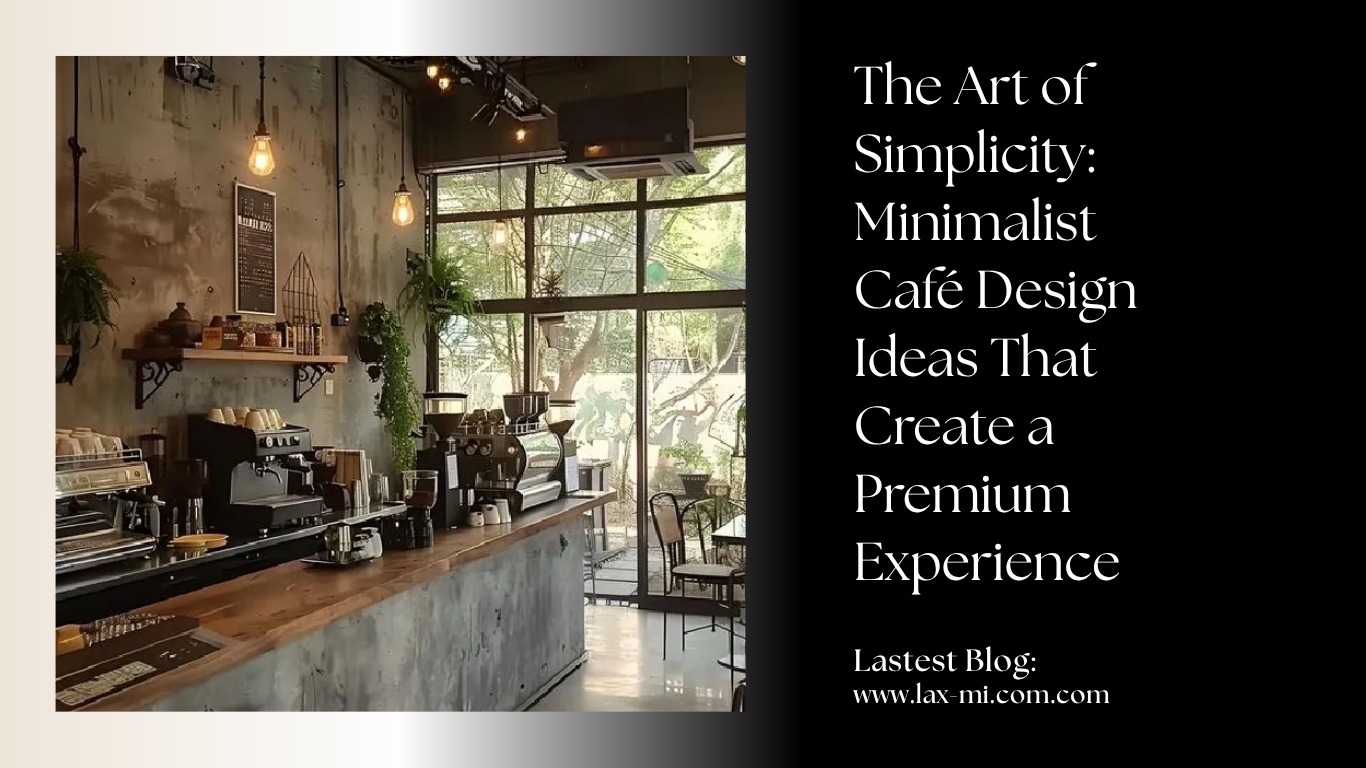
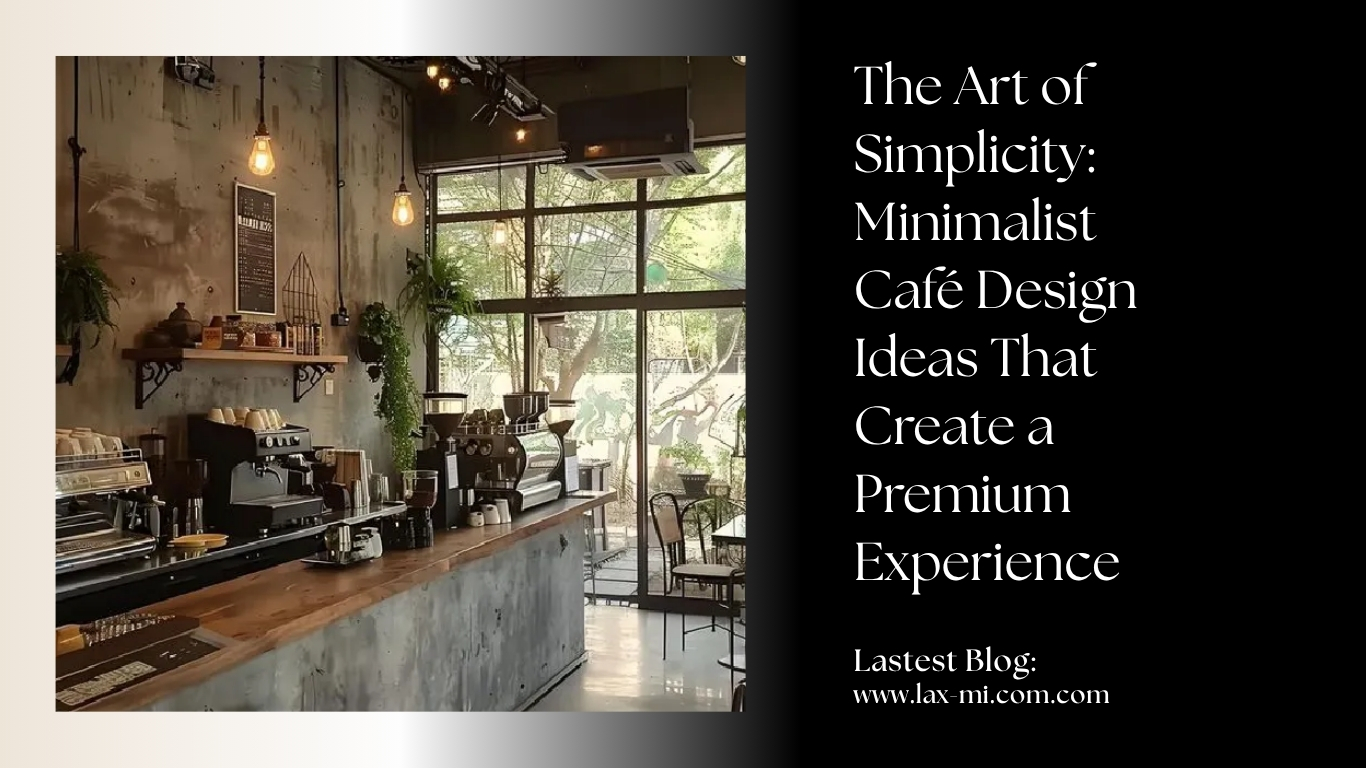
For example, wooden tables and flooring bring warmth, while concrete walls add an industrial touch. Combining different textures creates visual interest without relying on excessive decoration.
Moreover, natural materials age gracefully. Over time, they develop character, which adds to the café’s charm. This quality aligns perfectly with the minimalist philosophy of timeless design.
You can also incorporate greenery to soften the look. Plants add a touch of freshness and contrast, making the space feel more जीवंत without overwhelming the design.
Designing a Statement Coffee Counter
In a minimalist café, the coffee counter often becomes the focal point. Since the rest of the space remains simple, the counter can stand out as a statement feature.
Choose a clean and elegant design. Materials like marble, polished concrete, or wood can create a premium look. Keep the surface uncluttered, displaying only essential equipment and a few curated items.
Lighting plays a crucial role here. Focused lighting above the counter can highlight its design and draw attention. This setup not only enhances aesthetics but also improves functionality for staff.
Additionally, ensure that the counter layout supports efficient workflow. A well-designed counter improves service speed and customer satisfaction.
Using Minimal Décor with Maximum Impact
Décor in a minimalist café should be intentional and meaningful. Avoid overcrowding walls with multiple artworks or decorations. Instead, choose a few impactful pieces that align with the theme.
For instance, a single large artwork or a simple wall installation can create a strong visual statement. Similarly, typography-based designs or subtle branding elements can enhance the space without overwhelming it.
Mirrors can also be used strategically. They reflect light and make the space appear larger. This effect contributes to the premium feel of the café.
Remember, in minimalism, less truly is more. Each decorative element should add value and purpose to the design.
Creating a Calm and Inviting Atmosphere
A premium café experience goes beyond visuals. It involves how customers feel when they enter the space. Minimalist design naturally promotes calmness and relaxation.
Soft music, comfortable seating, and a clean environment contribute to this atmosphere. Additionally, maintaining cleanliness and organization is crucial. Even the most beautiful design can lose its appeal if the space feels untidy.
Scent also plays a role. The aroma of fresh coffee combined with a clean environment creates a welcoming experience. These subtle elements enhance customer satisfaction and encourage repeat visits.
Integrating Technology Seamlessly
Modern cafés often incorporate technology for convenience and efficiency. In a minimalist design, technology should blend seamlessly with the environment.
For example, digital menus, self-order kiosks, and contactless payment systems can improve customer experience. However, ensure that these elements do not disrupt the clean aesthetic.
Use hidden wiring, sleek screens, and minimal interfaces to maintain consistency. This approach ensures that technology enhances functionality without compromising design.
Focusing on Brand Identity Through Simplicity
Minimalist café design offers a unique opportunity to highlight brand identity. Instead of relying on excessive branding, use subtle elements to communicate your message.
For instance, a simple logo, consistent color palette, and clean typography can create a strong brand presence. These elements should appear across signage, menus, and packaging.
Consistency is key. When customers recognize your brand through subtle cues, it creates a memorable experience. This recognition contributes to the premium feel of the café.
Ensuring Sustainability in Design Choices
Sustainability aligns naturally with minimalism. By using fewer resources and focusing on quality, you can create an eco-friendly café design.
Choose durable materials that last longer and require less maintenance. Additionally, consider energy-efficient lighting and appliances to reduce environmental impact.
Using locally sourced materials can also support sustainability while adding authenticity to the design. These choices not only benefit the environment but also appeal to conscious customers.
Enhancing Customer Experience Through Simplicity
Ultimately, the goal of minimalist café design is to improve customer experience. A clean, organized, and aesthetically pleasing space allows customers to focus on what truly matters—enjoying their time.
Simple layouts, comfortable seating, and thoughtful design elements create a seamless experience. Customers can relax, work, or socialize without distractions.
Moreover, a premium feel often comes from attention to detail. Even small elements, such as table spacing or lighting intensity, can make a significant difference.
Adapting Minimalism to Different Café Concepts
Minimalism is versatile and can adapt to various café styles. Whether it is a cozy neighborhood café or a high-end coffee bar, the principles remain the same.
For smaller spaces, minimalism helps maximize functionality without overcrowding. For larger cafés, it creates a sense of openness and elegance.
You can also combine minimalism with other design styles. For example, adding industrial or Scandinavian elements can create a unique identity while maintaining simplicity.
Conclusion
Minimalist café design offers a powerful way to create a premium experience without unnecessary complexity. By focusing on simplicity, functionality, and quality, you can design a space that feels elegant, inviting, and timeless.
From neutral color palettes and natural materials to open layouts and thoughtful lighting, every element contributes to the overall ambiance. Moreover, minimalism allows your café to stand out by emphasizing clarity and purpose.
As customer expectations continue to evolve, creating a calm and refined environment becomes essential. A well-designed minimalist café not only attracts customers but also encourages them to stay longer and return.
In the end, the beauty of minimalism lies in its ability to transform simplicity into sophistication. By embracing this approach, you can craft a café that delivers both visual appeal and a memorable experience.