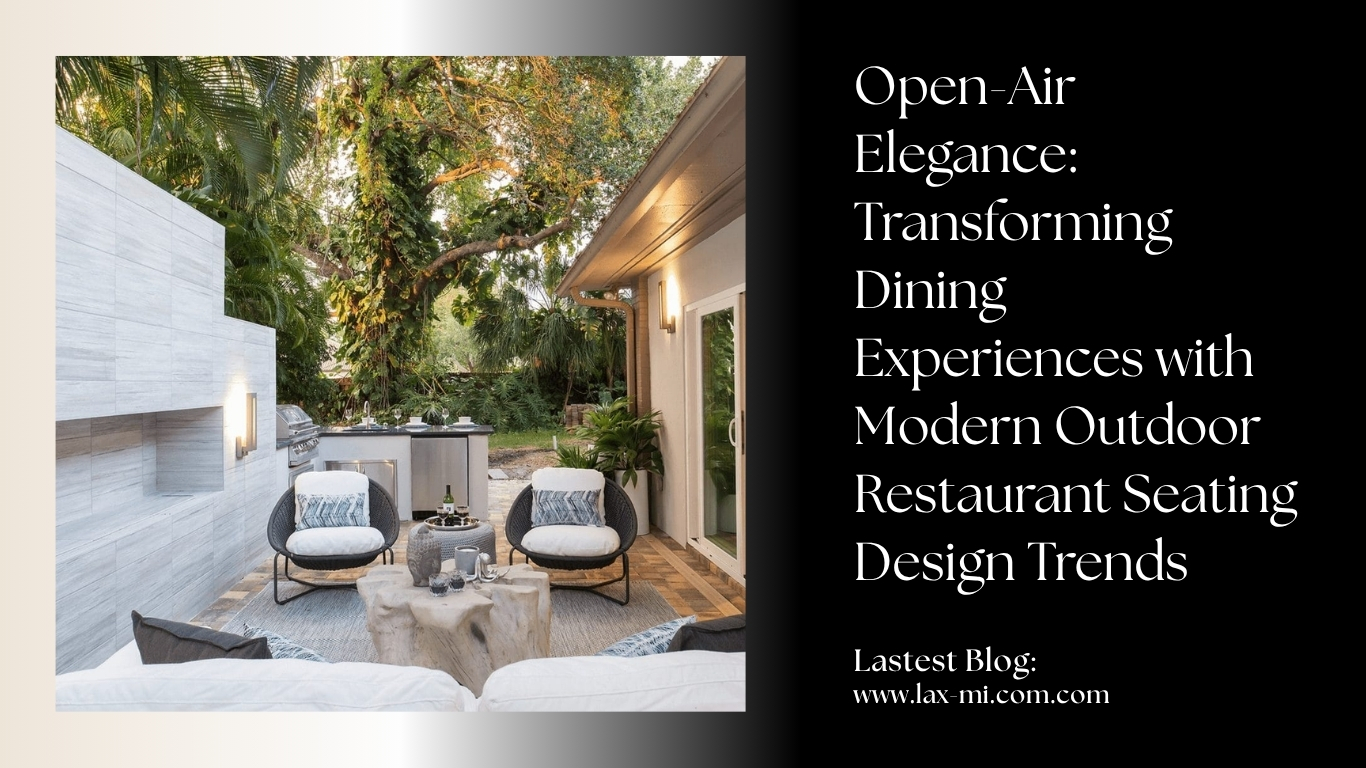
Open-Air Elegance: Transforming Dining Experiences with Modern Outdoor Restaurant Seating Design Trends
Outdoor dining has evolved into far more than a seasonal option. Today, it represents a powerful blend of ambiance, comfort, and experience-driven design. As customer expectations shift, restaurants must adapt by creating outdoor seating spaces that feel inviting, functional, and visually striking. Therefore, outdoor restaurant seating design trends now play a crucial role in shaping how guests perceive a brand.
In recent years, diners have shown a growing preference for open-air environments. Fresh air, natural light, and relaxed settings enhance both mood and dining satisfaction. As a result, restaurant owners and designers have begun to rethink traditional layouts and embrace innovative concepts. From eco-friendly materials to flexible seating arrangements, every element contributes to a memorable dining experience.
Moreover, outdoor spaces now serve as extensions of indoor interiors. They reflect the restaurant’s identity while offering unique sensory experiences. Whether it is a cozy café terrace or a vibrant rooftop bar, thoughtful design ensures comfort and visual appeal. Consequently, businesses that invest in outdoor seating design trends often gain a competitive advantage.
This blog explores the latest ideas shaping outdoor dining spaces. It highlights practical strategies, aesthetic inspirations, and functional solutions. By understanding these trends, restaurant owners can create spaces that attract more customers and encourage longer stays.
Nature-Inspired Designs Creating Calm and Comfort
Modern outdoor seating increasingly draws inspiration from nature. Designers integrate greenery, natural textures, and organic layouts to create calming environments. This approach not only enhances aesthetics but also improves customer well-being.
For instance, vertical gardens and potted plants bring life to compact spaces. They soften hard surfaces while adding color and freshness. Additionally, wooden furniture and stone elements create a warm, earthy feel. These materials blend seamlessly with outdoor surroundings, making the space feel more authentic.
Furthermore, natural shading solutions such as pergolas and tree canopies provide comfort. They protect guests from harsh sunlight while maintaining an open atmosphere. Water features also add a soothing element. The gentle sound of flowing water enhances relaxation and creates a peaceful dining environment.
As customers seek escape from busy urban life, nature-inspired outdoor seating design trends offer the perfect solution. They create a refreshing experience that encourages repeat visits.
Flexible Seating Layouts for Dynamic Spaces
Flexibility has become essential in outdoor restaurant design. Today’s spaces must accommodate different group sizes and changing customer needs. Therefore, modular furniture and adaptable layouts are gaining popularity.
Movable chairs and tables allow staff to rearrange seating quickly. This flexibility supports both intimate dinners and larger gatherings. Additionally, foldable or stackable furniture saves space when not in use. It also simplifies storage and maintenance.
Another emerging trend involves multi-functional seating. Benches with storage, convertible tables, and adjustable-height furniture enhance usability. These features make outdoor spaces more efficient and versatile.
Moreover, zoning strategies help organize seating areas. Restaurants can create distinct sections for families, couples, and groups. This thoughtful arrangement improves customer comfort and overall flow.
By embracing flexible layouts, restaurants can maximize their outdoor capacity while maintaining a welcoming atmosphere.
Weather-Resistant Materials Enhancing Durability
Outdoor furniture must withstand various weather conditions. Therefore, durability has become a key focus in outdoor seating design trends. Restaurants now invest in materials that resist moisture, heat, and wear.
Aluminum and stainless steel offer excellent durability. They resist rust and require minimal maintenance. Similarly, synthetic wicker provides a stylish yet weather-resistant alternative to natural materials.
High-performance fabrics also play a crucial role. Cushions made from UV-resistant and water-repellent materials maintain their appearance over time. This ensures long-lasting comfort and reduces replacement costs.
Additionally, treated wood and composite materials combine aesthetics with resilience. They mimic natural textures while offering superior performance.
By choosing durable materials, restaurants can maintain their outdoor spaces with minimal effort. This investment also ensures consistent quality and customer satisfaction.
Sustainable Design Practices Gaining Momentum
Sustainability has become a defining factor in modern design. Outdoor restaurant seating now reflects eco-conscious values. As customers become more environmentally aware, businesses must respond accordingly.
Recycled materials are widely used in furniture and décor. For example, reclaimed wood and recycled plastic reduce environmental impact. These materials also add unique character to the design.
Energy-efficient lighting further enhances sustainability. Solar-powered fixtures and LED lights minimize energy consumption. At the same time, they create a warm and inviting ambiance.
Moreover, water-saving landscaping techniques support eco-friendly practices. Native plants require less maintenance and conserve resources. This approach aligns with sustainable outdoor seating design trends.
By adopting green practices, restaurants not only protect the environment but also strengthen their brand image. Customers often appreciate businesses that prioritize sustainability.
Smart Technology Enhancing Outdoor Dining Experiences
Technology has transformed outdoor dining in surprising ways. Restaurants now integrate smart solutions to improve comfort and convenience. These innovations enhance both customer experience and operational efficiency.
For instance, outdoor heaters with temperature controls ensure comfort during cooler evenings. Similarly, misting systems provide relief in hot climates. These features allow restaurants to operate year-round.
Wireless charging stations and digital menus add modern convenience. Customers can access information and services without leaving their seats. This seamless experience enhances satisfaction and engagement.
Additionally, smart lighting systems adjust brightness based on time and mood. They create dynamic environments that adapt to different occasions.
As technology continues to evolve, it will play an even greater role in shaping outdoor seating design trends. Restaurants that embrace these innovations can stay ahead of the competition.
Lighting Design Creating Ambiance and Attraction
Lighting is a powerful tool in outdoor design. It sets the mood, highlights features, and enhances safety. Therefore, it remains a key element in modern outdoor seating trends.
String lights and lanterns create a cozy, intimate atmosphere. They add warmth and charm to evening dining. On the other hand, LED strips provide a sleek, contemporary look.
Accent lighting highlights architectural elements and landscaping. It draws attention to key features while adding depth to the space. Pathway lighting also improves navigation and safety.
Moreover, color-changing lights allow restaurants to adapt their ambiance. They can create different moods for various events and occasions.
By carefully planning lighting design, restaurants can transform their outdoor spaces into visually captivating environments.
Rooftop and Elevated Dining Experiences
Rooftop dining has gained immense popularity in urban areas. It offers stunning views and a unique perspective. As a result, many restaurants are investing in elevated outdoor seating.
These spaces often feature stylish furniture and creative layouts. Designers focus on maximizing views while ensuring comfort. Glass railings and open designs enhance visibility and openness.
Additionally, rooftop gardens add greenery to urban environments. They create a refreshing contrast to cityscapes. This combination of nature and elevation enhances the dining experience.
However, safety and structural considerations remain important. Proper planning ensures stability and compliance with regulations.
Rooftop dining continues to shape outdoor seating design trends by offering memorable experiences that attract customers.
Personalized and Themed Seating Concepts
Customization has become a key trend in outdoor design. Restaurants now create themed seating areas that reflect their identity. This approach helps them stand out in a competitive market.
For example, a rustic café may use vintage furniture and warm lighting. Meanwhile, a modern restaurant may opt for minimalist designs and bold colors. These themes create a cohesive and immersive experience.
Personalized elements such as branded cushions and décor add uniqueness. They reinforce the restaurant’s image and make the space memorable.
Additionally, seasonal themes keep the design fresh and engaging. Restaurants can update décor based on festivals and events. This strategy attracts repeat customers and maintains interest.
By focusing on personalization, restaurants can create outdoor spaces that leave a lasting impression.
Comfort-Driven Seating Enhancing Guest Experience
Comfort remains a top priority in outdoor seating design. Without it, even the most beautiful spaces fail to retain customers. Therefore, designers focus on ergonomic furniture and thoughtful layouts.
Cushioned chairs and sofas provide a relaxed seating experience. Adjustable seating options cater to different preferences. Additionally, proper spacing ensures privacy and comfort.
Shade solutions such as umbrellas and canopies protect guests from weather conditions. These features enhance usability throughout the day.
Moreover, noise control measures improve the overall experience. Soft materials and strategic layouts reduce distractions and create a शांत environment.
By prioritizing comfort, restaurants can encourage longer stays and higher customer satisfaction.
Integration of Indoor and Outdoor Spaces
Modern restaurants aim to create seamless transitions between indoor and outdoor areas. This integration enhances flow and maximizes space utilization.
Large glass doors and open layouts connect the two environments. They allow natural light to flow freely while maintaining visual continuity.
Consistent design elements further strengthen this connection. Matching furniture, colors, and materials create a unified look. This approach makes outdoor spaces feel like natural extensions of indoor interiors.
Additionally, hybrid seating areas offer flexibility. They allow restaurants to adapt to changing weather conditions.
This seamless integration reflects one of the most practical outdoor seating design trends. It ensures functionality without compromising aesthetics.
Social Media-Friendly Design Elements
In today’s digital age, visual appeal plays a crucial role in attracting customers. Outdoor seating spaces often serve as backdrops for social media content.
Therefore, restaurants incorporate eye-catching elements such as murals, statement furniture, and unique lighting. These features encourage customers to share their experiences online.
Photo-worthy spots increase visibility and brand recognition. They also attract younger audiences who value aesthetic experiences.
Moreover, creative signage and décor add personality to the space. They make the environment more engaging and memorable.
By designing with social media in mind, restaurants can boost their marketing efforts organically.
Outdoor Bar and Lounge Concepts
Outdoor bars and lounges add a dynamic element to restaurant spaces. They create opportunities for social interaction and entertainment.
Comfortable seating, stylish counters, and ambient lighting define these areas. They often feature a relaxed atmosphere that encourages casual gatherings.
Fire pits and heaters enhance comfort during cooler evenings. Meanwhile, open layouts promote interaction and movement.
Additionally, outdoor lounges can host events and live performances. This versatility increases revenue potential and customer engagement.
These concepts continue to influence outdoor seating design trends by adding vibrancy and functionality.
Space Optimization for Small Outdoor Areas
Not all restaurants have large outdoor spaces. However, smart design can maximize even compact areas.
Vertical seating arrangements and wall-mounted furniture save space. They create efficient layouts without compromising comfort.
Foldable and multi-purpose furniture further enhance flexibility. These solutions allow restaurants to adapt quickly to different needs.
Mirrors and light colors create an illusion of space. They make small areas feel more open and inviting.
By optimizing space effectively, restaurants can make the most of their outdoor seating areas.
Seasonal Adaptability in Outdoor Design
Outdoor spaces must adapt to changing seasons. Therefore, flexibility remains a key aspect of modern design.
Removable covers and adjustable shading systems provide protection. They allow restaurants to operate in various weather conditions.
Seasonal décor also enhances the dining experience. Warm lighting and cozy elements create comfort during colder months. In contrast, bright colors and airy layouts suit summer settings.
Additionally, portable heaters and cooling systems ensure year-round usability. These features improve customer comfort and increase revenue opportunities.
Seasonal adaptability ensures that outdoor seating remains functional and appealing throughout the year.
Conclusion
Outdoor restaurant seating design trends continue to evolve, driven by changing customer preferences and technological advancements. Today, outdoor spaces are no longer optional. They are essential components of a restaurant’s identity and success.
By embracing nature-inspired designs, flexible layouts, and sustainable practices, restaurants can create inviting environments. At the same time, integrating technology and focusing on comfort enhances the overall experience. These elements work together to attract customers and encourage repeat visits.
Moreover, innovative concepts such as rooftop dining, themed seating, and social media-friendly designs add uniqueness. They help businesses stand out in a competitive market.
Ultimately, successful outdoor seating design balances aesthetics, functionality, and customer satisfaction. Restaurants that invest in these trends can create memorable dining experiences. As a result, they can build stronger connections with their customers and achieve long-term growth.